Short answer: Warm spots on the floor, the sound of running water with everything off, a water bill that suddenly rises and damp or damaged flooring are the most common signs of a leak under a concrete slab.
A slab leak is a leak in a water pipe under a home’s concrete foundation. Because it is hidden, it can waste water and damage floors for a long time. These are the signs to watch for.
The most common signs
- Warm or hot spots on the floor, from a leaking hot water line
- The sound of running water when no taps are on
- A water bill that rises for no clear reason
- Damp, warped or stained flooring
- Cracks in tile or the slab
- Low water pressure, or a water heater that runs all the time
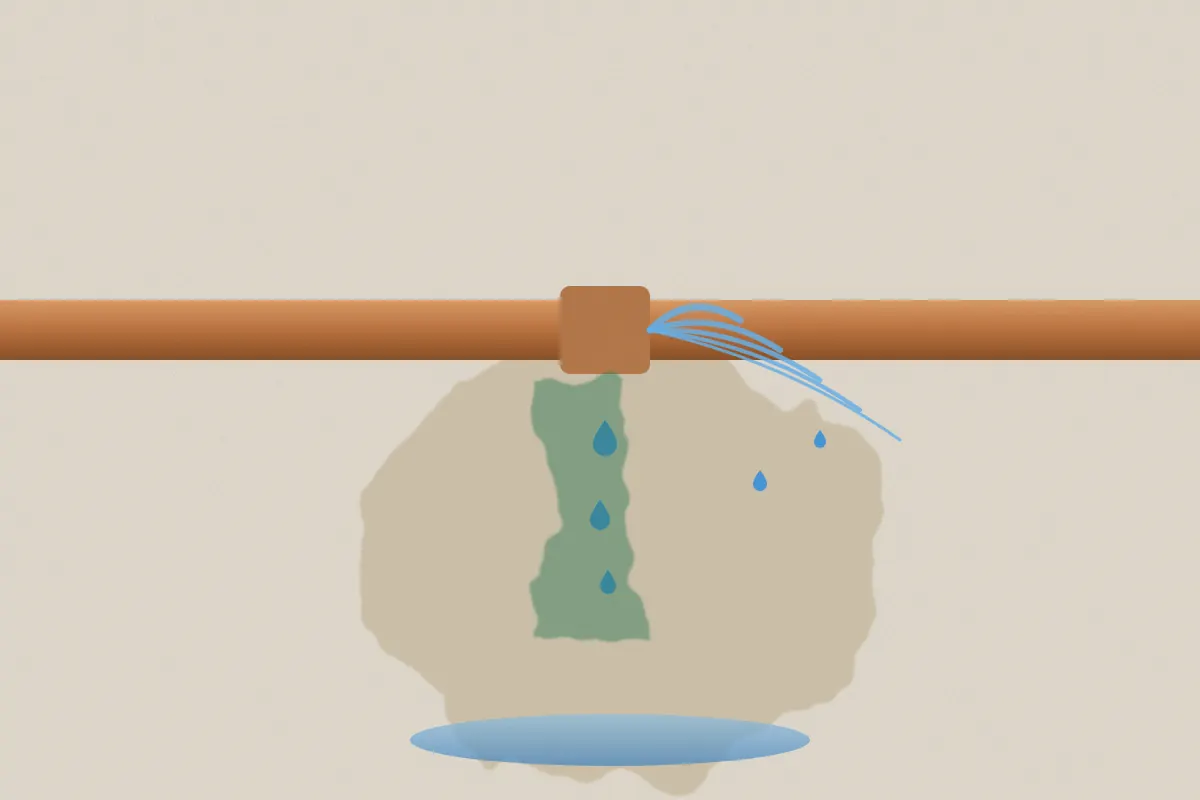
How to check with your water meter
- Turn off every tap and water using appliance
- Look at the water meter and note the reading or the leak indicator
- Wait 30 minutes without using any water
- If the reading changed or the indicator moved, water is leaking somewhere
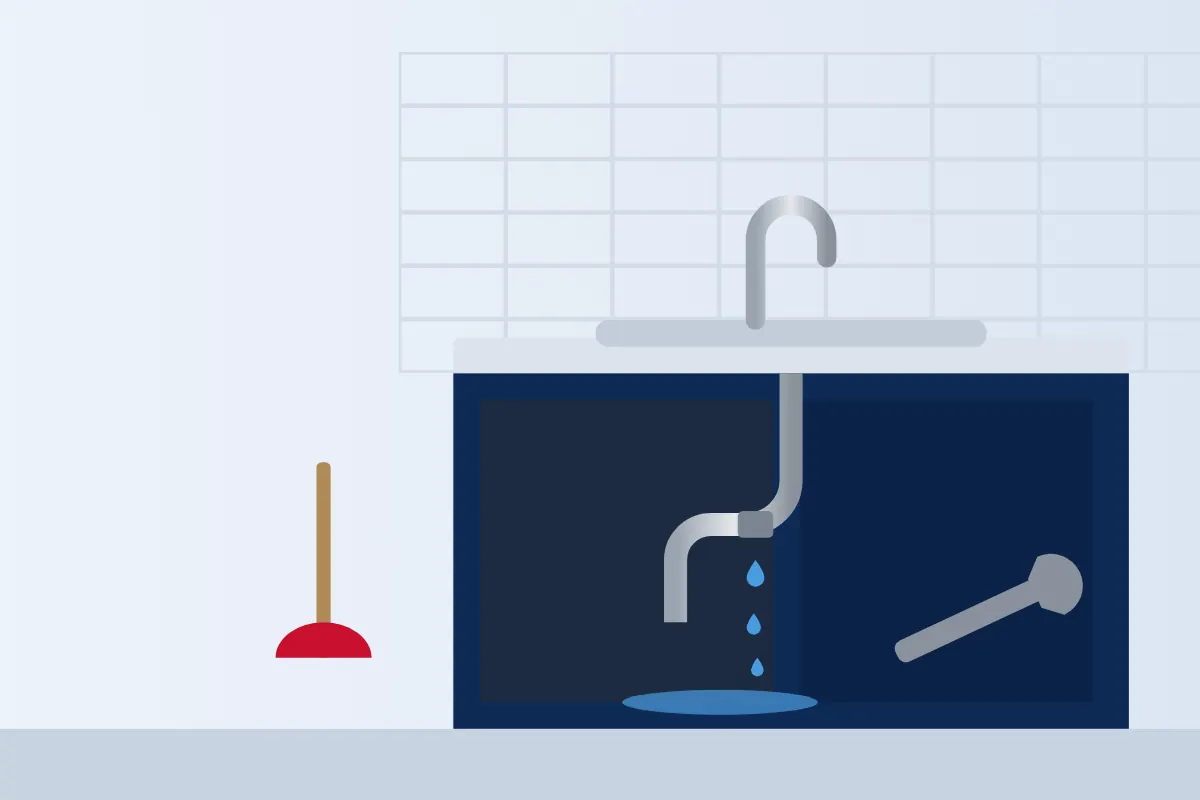
What causes slab leaks
- Soil that swells and shrinks, stressing the pipes
- Corrosion in older copper pipes
- Pipes rubbing against concrete as they expand and contract
- Poor installation or damaged pipes during building
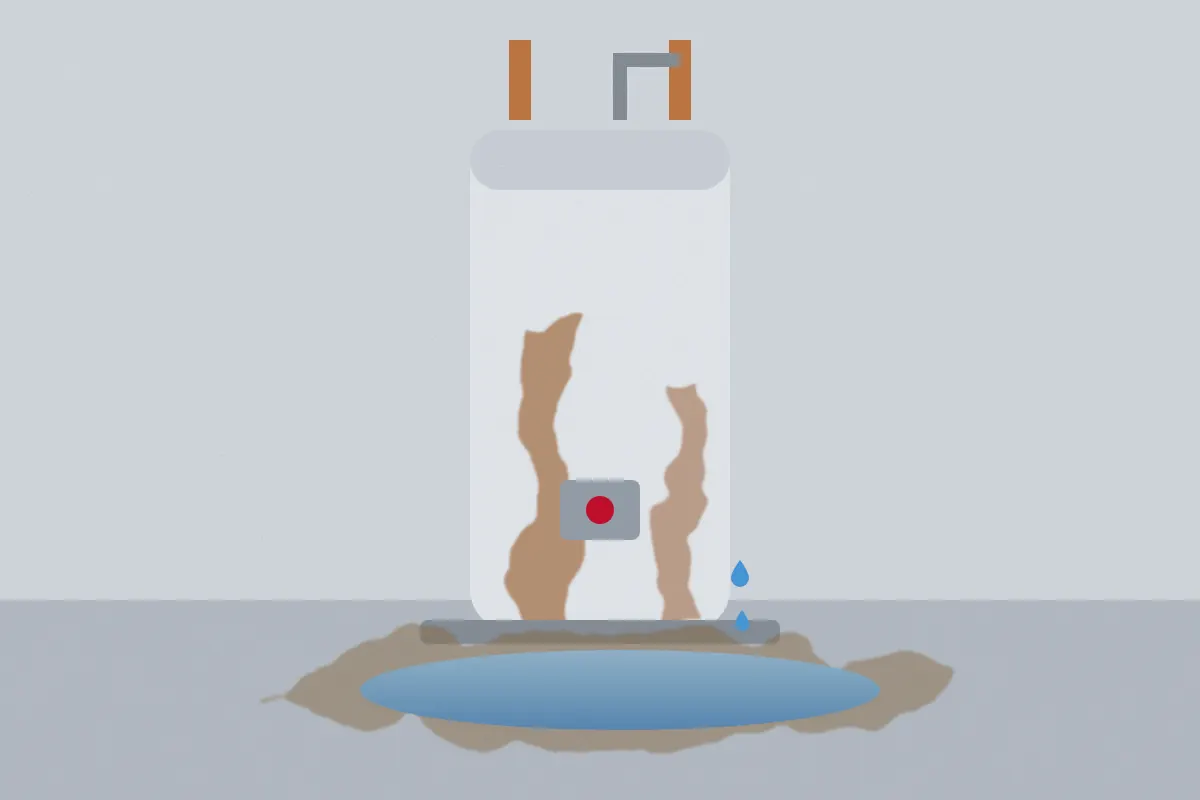
How slab leaks are fixed
A plumber uses leak detection equipment to find the leak, then either opens the slab to repair that spot, reroutes the pipe through the walls or attic, or replaces the lines.
Mistakes to avoid
- Ignoring a warm spot on the floor
- Assuming a high bill is a billing error without checking the meter
- Letting water run under the slab for weeks
- Tearing up flooring to search for the leak yourself
- Forgetting to check the water heater, which may run constantly
When to call a plumber
Call a plumber with leak detection equipment as soon as you suspect a slab leak. Finding the exact spot first means only a small area needs to be opened, and the plumber can explain whether a spot repair, a reroute or a repipe makes most sense.
Frequently asked questions
Is a slab leak an emergency?
It can be. Shut off the water if you see water coming up or the bill is rising fast, and call a plumber.
Does insurance cover slab leaks?
Many policies help with water damage and sometimes with finding the leak. The pipe repair itself may not be covered.
Can a slab leak damage my foundation?
Water under the slab can wash away soil and add to foundation movement, which is why prompt repair matters.
How long does repair take?
Many repairs take a day or two once the leak is found, depending on the method.
Related
Read our leak detection and repair guide and our foundation repair guide.
Sifixit is a free referral service and does not provide home services. Calls may be answered by a partner call center or connected directly to independent local providers, who are solely responsible for their work, pricing, licensing and insurance.