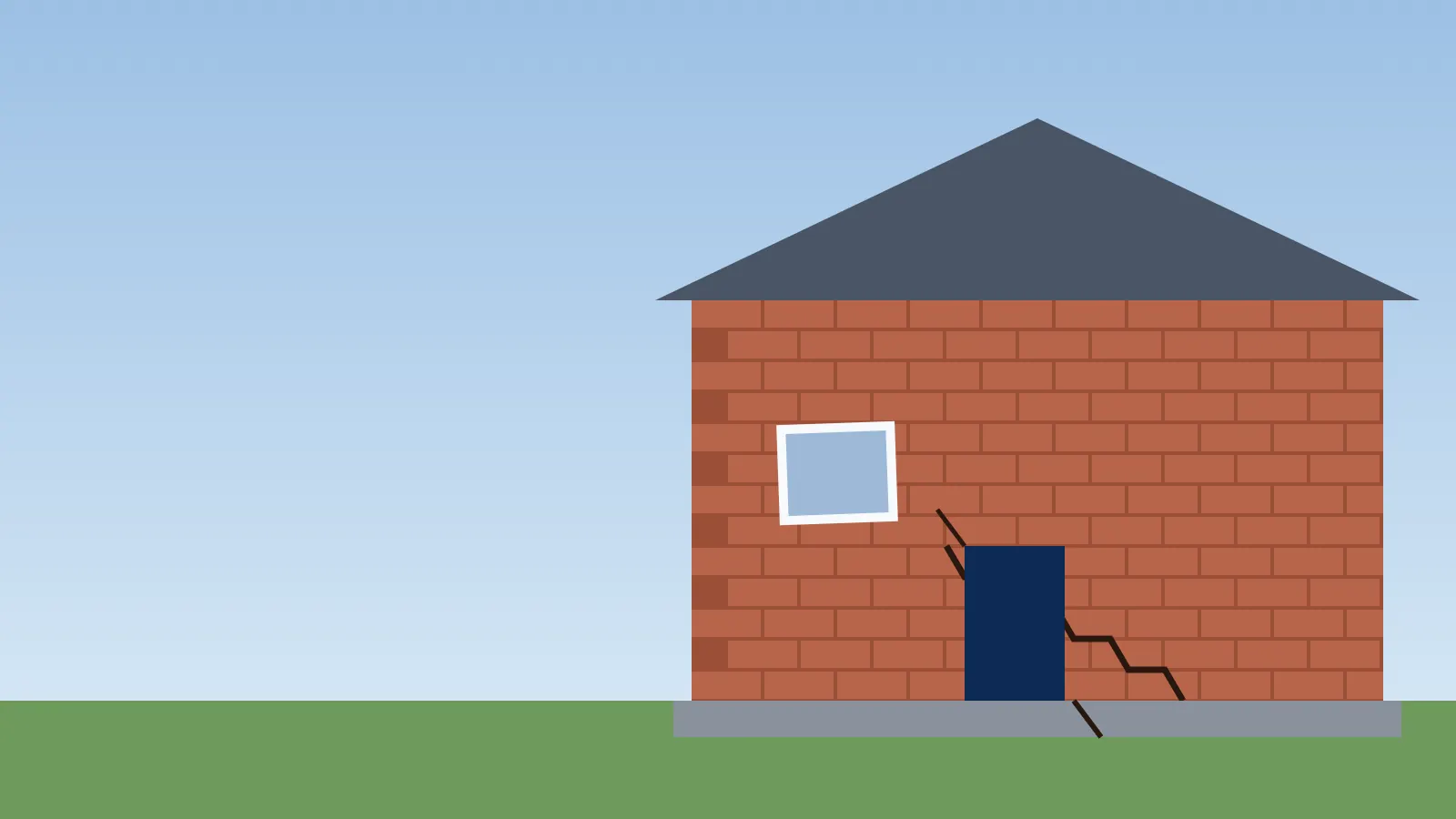
The foundation carries the weight of the whole house. When the soil beneath it shifts, swells, shrinks or washes away, the foundation can crack, settle or move, and the signs often show up far from the foundation itself, in sticking doors, sloping floors and cracks in the walls.
Sifixit is a free referral service. Call the number on this page and you will be connected with an independent local foundation repair provider where one serves your area. Calling costs nothing and you are never obliged to hire anyone.
When foundation problems need quick attention
Most foundation problems develop slowly, but these need prompt attention.
If a wall is bowing sharply, a ceiling is sagging or cracks open suddenly, keep people out of the area and call for an inspection right away.
- Cracks that grow quickly or are wider than a coin
- A basement wall that bows or leans inward
- Doors and windows that suddenly jam
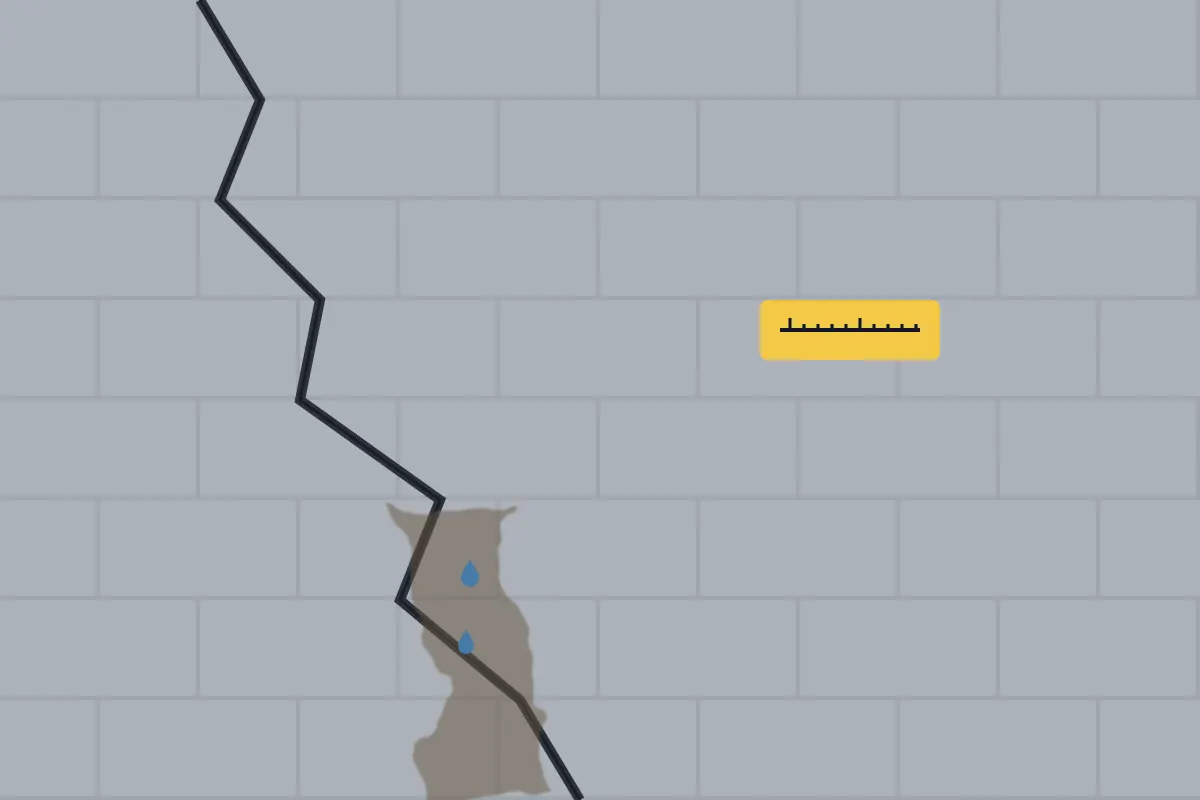
- Water coming through a foundation crack
- A floor that drops or cracks suddenly
What we can connect you with
When you call, describe the cracks and where they are, and what kind of foundation the home has.
Foundation inspection
Finding the cause and extent of movement, often with level readings of the floors.
Pier installation
Steel or concrete piers that support or lift a settling foundation.
Slab repair
Lifting and stabilizing sunken concrete slabs.
Crack repair
Sealing and strengthening cracks in walls and floors.
Wall stabilization
Braces or anchors for basement walls that bow or lean.
Drainage
Grading, gutters and drains that keep water away from the foundation.
Signs of foundation problems
These signs inside and outside the home can point to foundation movement.
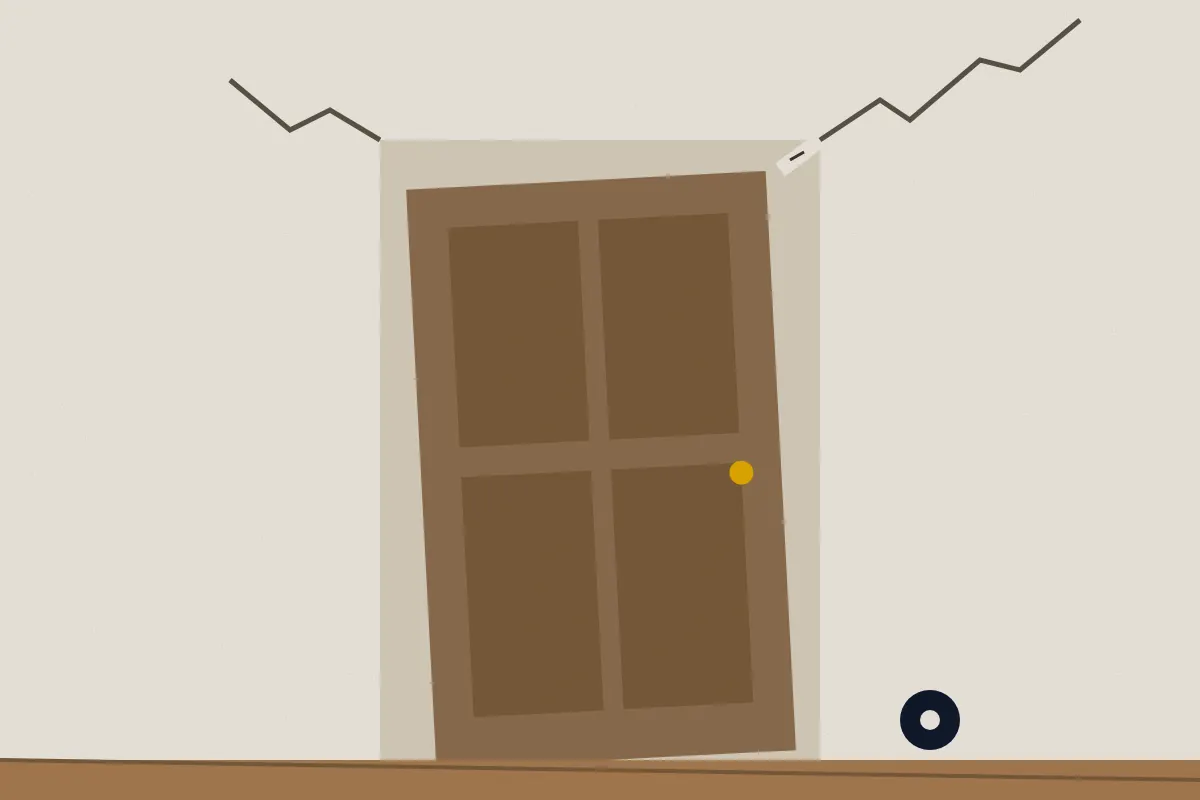
- Cracks in drywall, especially above doors and windows
- Doors and windows that stick or will not latch
- Sloping or uneven floors
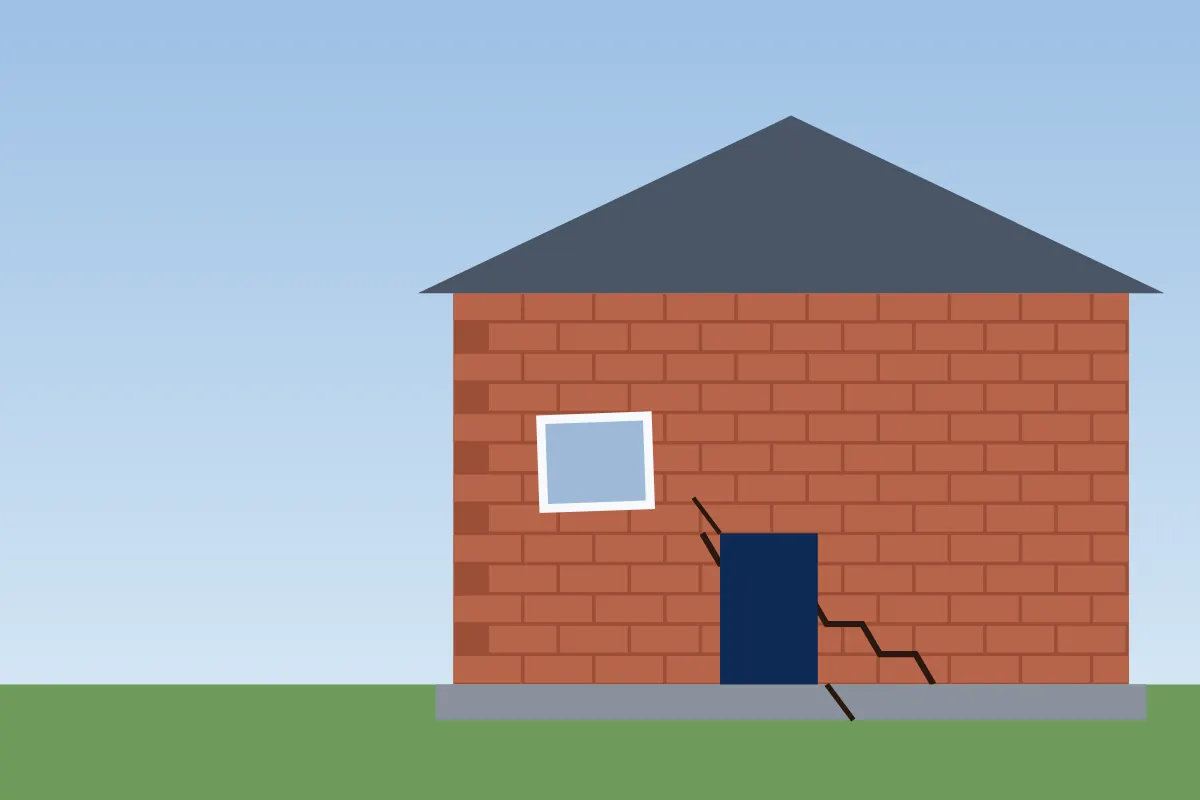
- Stair step cracks in brick or block
- Gaps between walls and the ceiling or floor
- Cracks in the slab or basement floor
Common foundation types
The kind of foundation affects how problems show up and how they are fixed.
Slab
A concrete slab poured on the ground, common in warm climates. Problems often show as floor cracks and slab leaks.
Crawl space and pier and beam
The house sits above the ground on walls or piers. Problems often show as sagging floors.
Basement
Walls below ground hold back soil and water. Problems often show as cracks, bowing walls and leaks.
What affects the cost
There is no single price for foundation repair. These are the things that change the size of the job.
- The type of foundation
- How much movement there is
- The repair method needed
- How many piers or supports are required
- Soil conditions in your area
- Whether plumbing under the slab also needs repair
- Engineering reports and permits
Ask every provider for a written quote that lists the work, the materials and what is not included, and get any change in writing before extra work starts.
Handle it yourself or call a pro
Usually fine to do yourself
- Mark the ends of cracks with a pencil and the date to see if they grow
- Keep gutters clean and downspouts extended
- Make sure soil slopes away from the house
- Water the soil around the foundation evenly during long droughts where clay soil is common
Time to call a professional
- Cracks that are wide, growing or horizontal
- Doors and windows that suddenly stick
- Sloping floors
- Bowing basement walls
- Water coming through cracks
Many homeowners get an assessment from an independent structural engineer before large repairs, so the repair plan is based on a neutral opinion.
Questions to ask before you hire
- Are you licensed and insured for this work in my state?
- What is causing the movement?
- Which repair method do you recommend, and why?
- Will you get a permit and, if needed, an engineer’s report?
- What warranty do you give, and does it transfer if I sell the home?
Frequently asked questions
Are all foundation cracks serious?
No. Thin hairline cracks from concrete shrinking are common. Wide, growing, horizontal or stair step cracks need a closer look.
What causes foundation problems?
Soil that swells and shrinks, poor drainage, plumbing leaks, erosion and tree roots are common causes.
Should I get an engineer's opinion?
For anything beyond small cracks, an independent structural engineer can tell you whether repair is needed and what kind.
Does insurance cover foundation repair?
Usually not for settling or soil movement. Damage from a sudden covered event, such as a burst pipe, may be covered.
Does Sifixit do the foundation repair work?
No. Sifixit is a referral service. The work is done by independent local businesses, who are responsible for their own work, pricing, licensing and insurance.
Is calling free?
Yes. Calling and being connected costs you nothing. If you hire a provider, you pay that provider directly for the work.
Sifixit is a free referral service and does not provide home services. Calls may be answered by a partner call center or connected directly to independent local providers, who are solely responsible for their work, pricing, licensing and insurance.