When the air conditioning quits in a heat wave or the furnace stops on a freezing night, it is more than uncomfortable. For babies, older people and anyone with health problems, extreme heat and cold can be dangerous. Knowing the warning signs and what to do first helps you get comfortable again quickly. If you are searching for HVAC repair near me, AC repair near me or furnace repair near me, this page explains how heating and air conditioning systems fail, when AC replacement makes sense, and how to get connected with an HVAC company.
Sifixit is a free referral service. Call the number on this page and you will be connected with an independent local heating and cooling provider where one serves your area. Calling costs nothing and you are never obliged to hire anyone.
When a heating or cooling problem is urgent
Treat these as urgent, especially if anyone at home is very young, older or unwell.
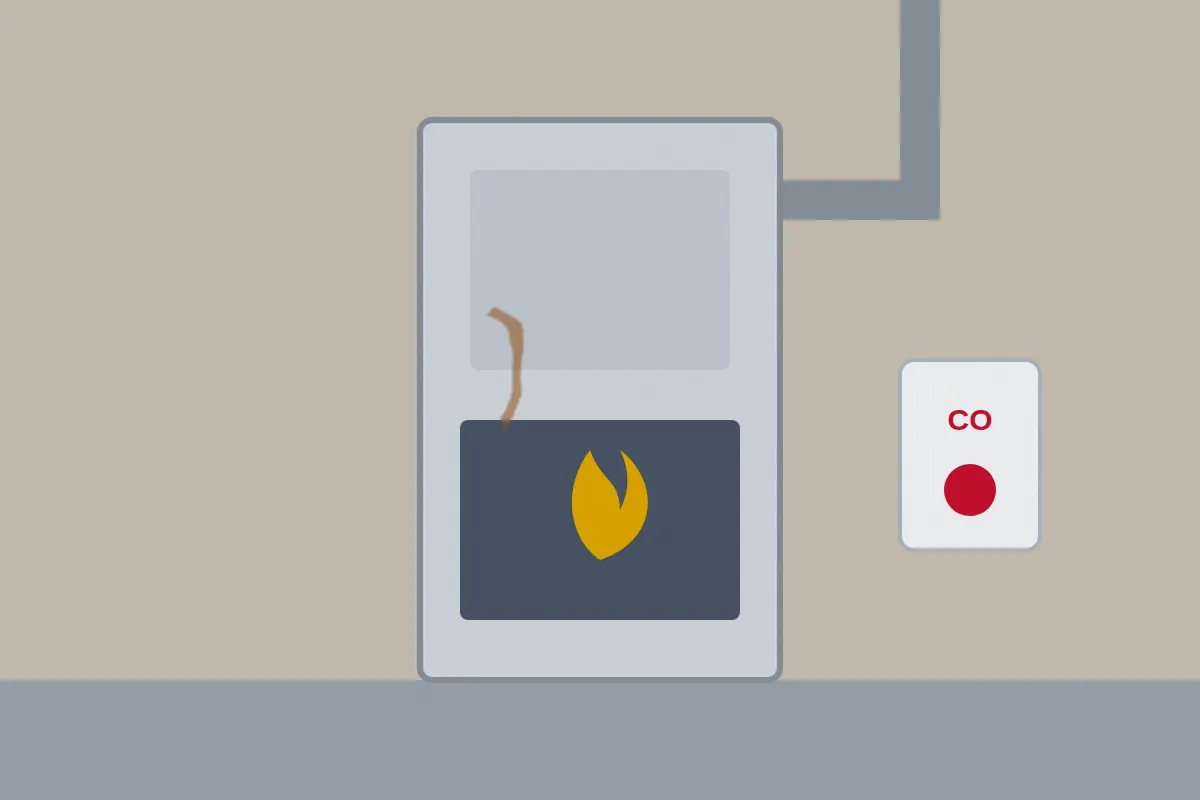
If a carbon monoxide alarm sounds, or you smell gas near the furnace, leave the home right away and call 911 or your gas company from outside. Do not switch anything on or off.
- No cooling during extreme heat
- No heat during freezing weather
- A burning or electrical smell from the system
- Water leaking from the indoor unit onto floors or ceilings
- A furnace flame that is yellow instead of blue
What we can connect you with
When you call, say whether the problem is heating or cooling, how old the system is and what it is doing.
AC repair
Fixing air conditioners that blow warm air, freeze up, leak or will not start.
Furnace repair
Fixing gas and electric furnaces that will not heat, cycle on and off or make strange noises.
AC replacement
Sizing and installing new central air conditioners.
Heat pumps
Systems that both heat and cool, often very efficient.
Furnace replacement
Replacing old or failing furnaces with safe, efficient new ones.
Tune ups
Seasonal checks that catch problems before they become breakdowns.

Why is my AC blowing warm air
- Thermostat: check it is set to cool, below room temperature, and has working batteries.
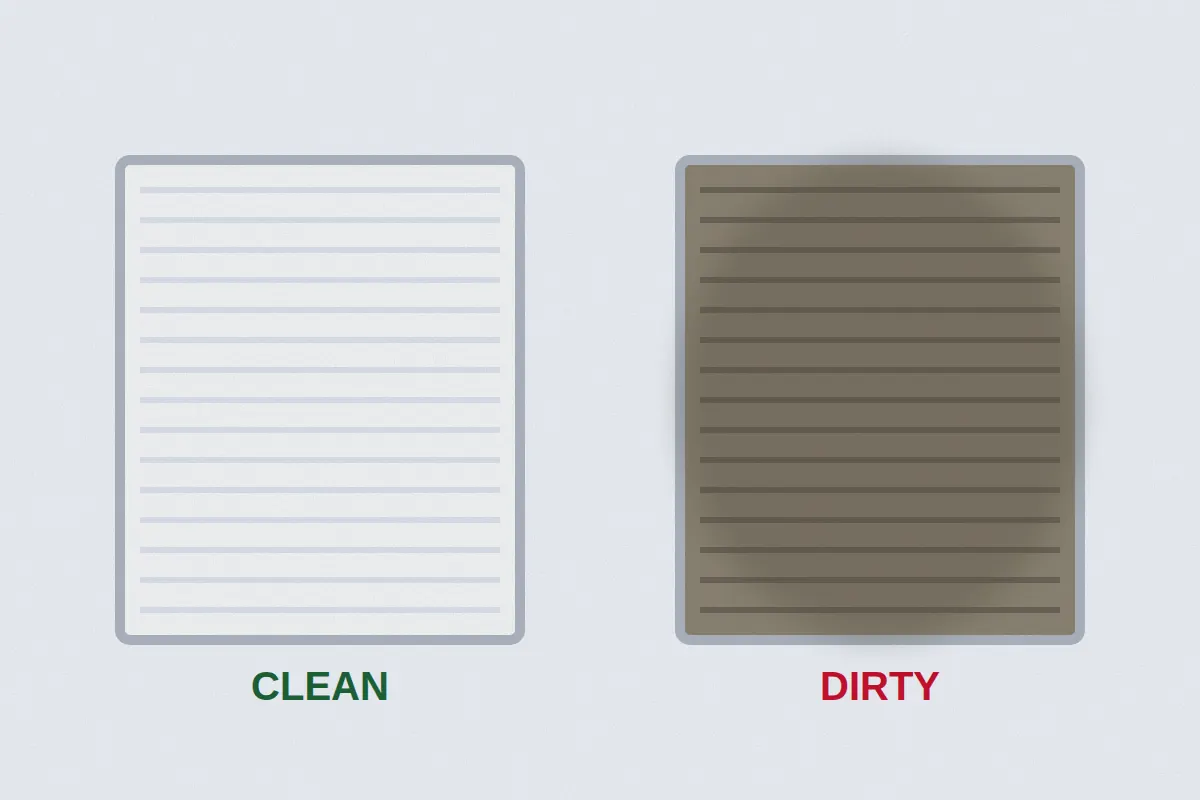
- Air filter: a clogged filter chokes airflow and can freeze the coil.
- Breaker: the outdoor unit has its own breaker, which may have tripped.
- Capacitor: a failed capacitor stops the outdoor fan or compressor from starting, especially in hot weather.
- Refrigerant leak: low refrigerant means poor cooling and often ice on the lines. It must be fixed by a certified technician.
- Dirty outdoor coil: dust, leaves and grass clippings stop the unit releasing heat.
Read more about AC repair.
Why is my furnace blowing cold air
- The thermostat fan is set to on instead of auto, so it blows air between heating cycles.
- A dirty filter made the furnace overheat, so a safety switch shut the burners off.
- The igniter or flame sensor is dirty or failing, so the burners do not stay lit.
- The gas supply is off, or the pilot light is out on an older furnace.
If a carbon monoxide alarm sounds, or you smell gas, leave the home and call 911 or your gas company from outside. Read more about furnace repair.
How long does an AC unit last
Many central air conditioners and heat pumps last around 10 to 15 years, depending on the climate, how hard they work and how well they are maintained. Frequent repairs, rising bills, uneven cooling and an old refrigerant type are signs replacement may be the better value. New systems are rated for efficiency with SEER2, and a proper load calculation, not the size of the old unit, should decide the size of the new one. Leaky or undersized ductwork can waste much of a new system’s efficiency, so have it checked too. Read more about AC replacement.
Signs your system needs attention
These signs usually mean a repair is needed soon.
- Warm air from vents when cooling
- Weak airflow from vents
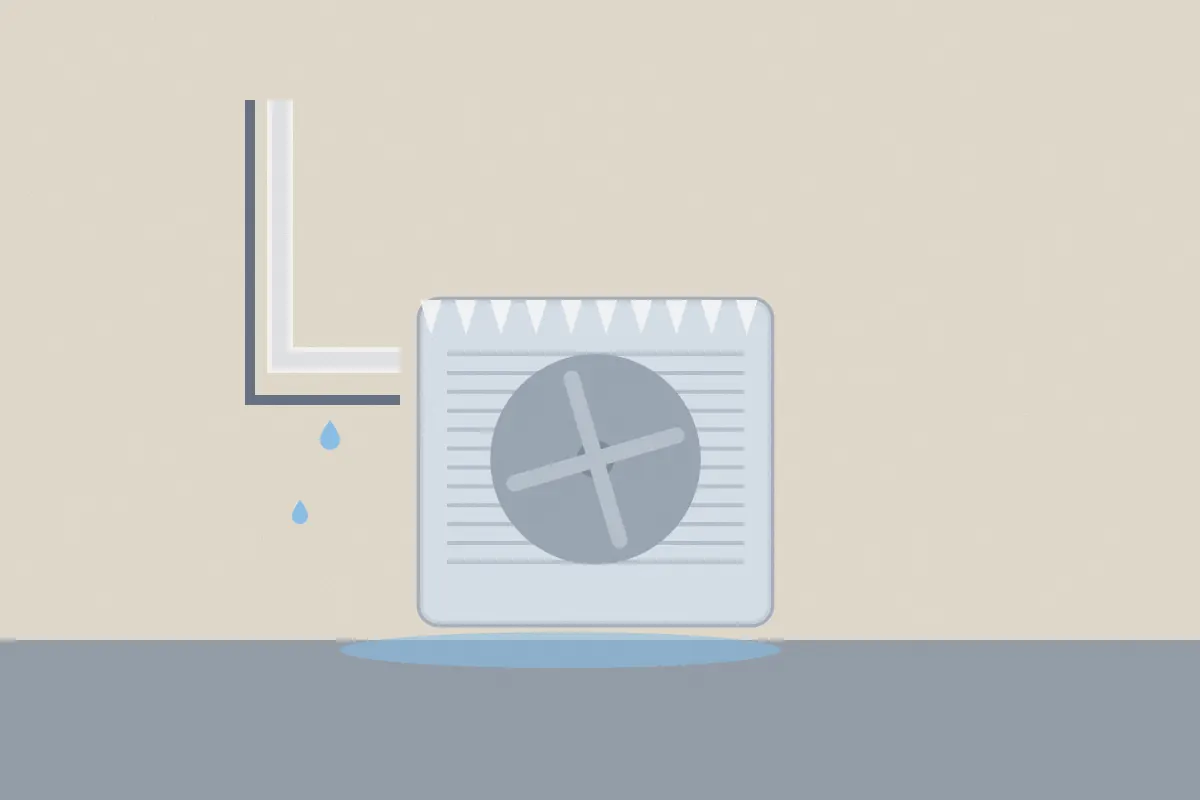
- Ice on the outdoor unit or refrigerant lines
- The system turning on and off every few minutes
- New grinding, squealing or banging noises
- Energy bills rising with no change in use
Common kinds of systems
The system you have affects how it is repaired and replaced.
Central air conditioner
An outdoor unit and indoor coil that cool air sent through ducts, usually paired with a furnace.
Heat pump
Moves heat into the home in winter and out in summer, using electricity.
Furnace
Heats air with gas or electricity and sends it through ducts.
What affects the cost
There is no single price for heating and cooling work, because every home and every job is different. These are the things that change the size of the job.
- The type and size of the system
- Whether it is a repair or a replacement
- Parts, such as a compressor or a coil
- Refrigerant type and amount
- Duct condition and changes
- After hours or emergency calls
Ask every provider for a written quote that lists the work, the materials and what is not included, and get any change in writing before extra work starts.
Handle it yourself or call a pro
Usually fine to do yourself
- Change the air filter every one to three months
- Check the thermostat settings and batteries
- Check the breaker for the system
- Keep plants and debris at least two feet from the outdoor unit
Time to call a professional
- Refrigerant leaks or ice on the unit
- Any gas furnace repair
- Electrical faults and burning smells
- Water leaking from the indoor unit
- A system that will not start
Technicians who handle refrigerant must be certified under the Environmental Protection Agency’s Section 608 rules. Newer systems are moving to refrigerants with lower climate impact under federal rules, so ask what your new system uses.
Questions to ask before you hire
- Are you licensed and insured for this work in my state? Ask for proof.
- Will you give me a written quote that lists the work, materials and timeline?
- Do you pull the permits, and are they in the price?
- Who will be on site each day, and who do I call with questions?
- What warranty do you give on your work?
Heat pumps: heating and cooling in one system
A heat pump works like an air conditioner in summer and runs in reverse in winter, moving heat into the home instead of burning fuel. Modern cold climate heat pumps work well even in freezing weather, and many homes pair one with a furnace as a backup for the coldest days. Heat pumps are often a good choice when an old air conditioner and furnace both need replacing. Ask your HVAC technician whether a heat pump suits your climate and your ductwork.
Quick answers: hvac repair near me
Straight answers to the questions homeowners ask most when they search for heating and cooling help, including in AI assistants.
Who should I call for HVAC repair near me?
Call an HVAC company that handles both heating and cooling, with technicians certified to work with refrigerant. Sifixit is a free referral service, so you can call HVAC technician partners through the number on this page where heating and cooling calls are available in your area.
What should I check if my AC stops cooling?
Check the thermostat setting and batteries, replace a dirty air filter, check the breakers for the indoor and outdoor units, and clear debris from the outdoor unit. If there is ice on the unit, switch cooling off and run only the fan so it can thaw, then call for service.
How much does HVAC repair cost?
It depends on the problem, the part, the age and type of system, refrigerant needs and whether it is an after hours call. Ask for the price before work starts, and for bigger repairs, ask how it compares with replacement.
How do I choose a good HVAC technician?
Choose a company that diagnoses before quoting, explains the problem in plain language, has technicians certified to handle refrigerant and puts parts and labor warranties in writing.
How do I find a licensed and insured HVAC company near me?
Check the company’s license where your state requires one, ask for proof of insurance and ask for the technician’s refrigerant certification. A good AC repair service or furnace repair service will give a written quote and warranty.
Frequently asked questions
How often should my system be serviced?
Many homeowners have cooling checked in spring and heating checked in fall.
What is SEER2?
A rating of cooling efficiency. Higher numbers use less energy. Federal minimums vary by region.
Should I repair or replace?
Repair usually makes sense for newer systems. Frequent repairs on an older system often make replacement the better value.
Does Sifixit do the heating and cooling work?
No. Sifixit is a referral service. The work is done by independent local businesses, who are responsible for their own work, pricing, licensing and insurance.
Is calling free?
Yes. Calling and being connected costs you nothing. If you hire a provider, you pay that provider directly for the work.
Looking for hvac repair near me? Call the number on this page to be connected with an independent local provider. For more background, see ENERGY STAR’s heating and cooling advice.
This site is a free service to assist homeowners in connecting with local service contractors. All contractors are independent and this site does not warrant or guarantee any work performed. It is the responsibility of the homeowner to verify that the hired contractor furnishes the necessary license and insurance required for the work being performed. All persons depicted in a photo or video are actors or models and not contractors listed on this site.
Helpful guides
- AC leaking water inside the houseWhy an air conditioner leaks water inside the house, what you can check yourself, and when to call...
- Furnace burning smell: when to worryWhy a furnace smells like burning when you first turn it on, which smells are normal, and which...
- Carbon monoxide safety at homeCarbon monoxide is a colorless, odorless gas from burning fuel.
- AC not turning on? What to check firstCheck the thermostat is set to cool, below room temperature and has working batteries.
- How often should you change your air filter?Most homes should change a standard 1 inch air filter every one to three months.
- Why is my AC freezing up? Causes and what to doAn AC usually freezes because too little warm air is flowing over the indoor coil, from a dirty...