Short answer: For most clogs, start with boiling or very hot water for kitchen grease, then a cup plunger for sinks and tubs, then a drain snake or hair removal tool. Clean the sink trap if needed. Avoid mixing chemicals, and call a plumber if several drains are slow at once, which can mean a main line blockage.
A slow or blocked drain is one of the most common plumbing problems. Most can be cleared with simple tools and no harsh chemicals. This guide explains how to unclog a drain in the kitchen, bathroom sink, tub and shower, and when to call a plumber.
Before you start
- Remove standing water with a cup if possible
- Wear gloves and eye protection
- Do not use a plunger after pouring in chemical drain cleaner, which can splash
- Never mix different drain cleaners
Method 1: Hot water
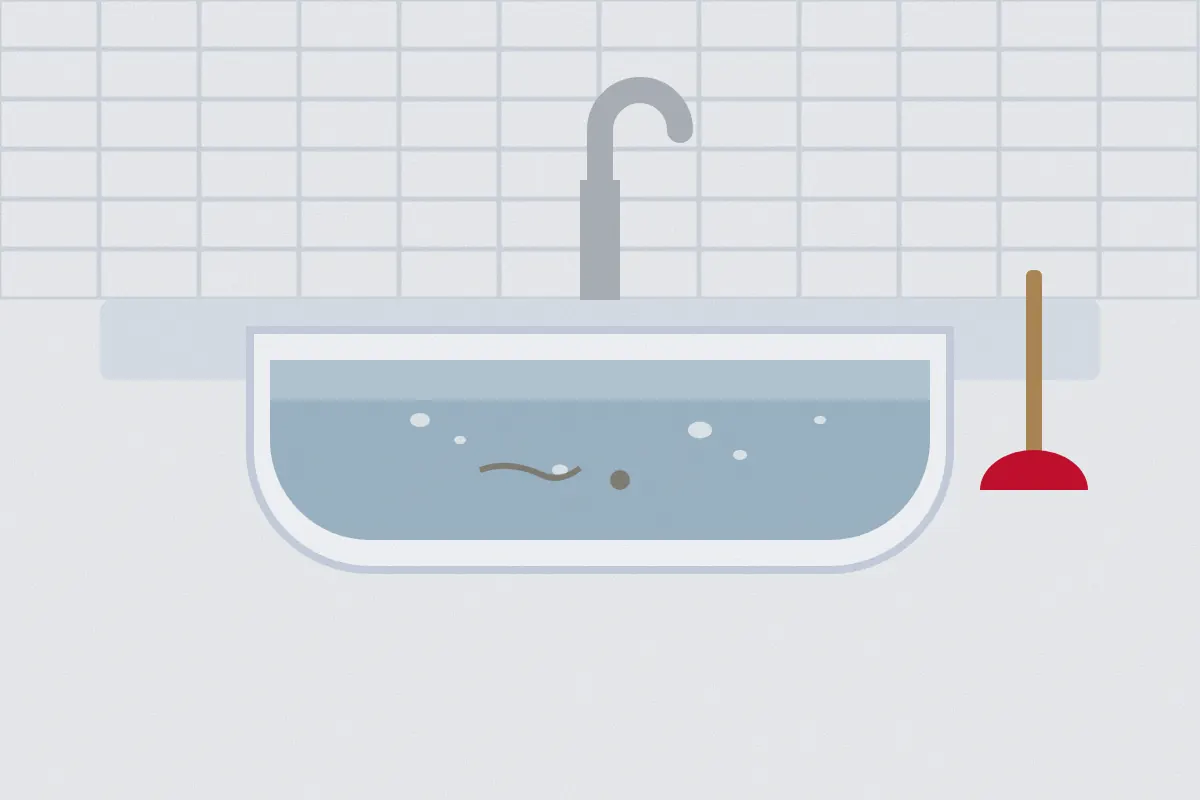
For kitchen sinks with grease or soap buildup, pour a kettle of very hot water slowly into the drain in stages. Do not use boiling water on PVC pipes that are already hot or damaged, or on porcelain sinks that could crack. This works best for soft clogs.
Method 2: A plunger
- Use a cup plunger for sinks and tubs, and a flange plunger for toilets.
- Block the overflow hole with a wet cloth, and the other drain on a double sink.
- Make sure there is enough water to cover the plunger cup.
- Push down gently, then plunge firmly up and down about 15 to 20 times.
- Repeat a few times before trying another method.
Method 3: Pull out the clog
In bathroom sinks, tubs and showers, most clogs are hair and soap. Remove the stopper and use an inexpensive plastic hair removal tool or a straightened wire hanger with a small hook to pull the clog out.
Method 4: Clean the trap
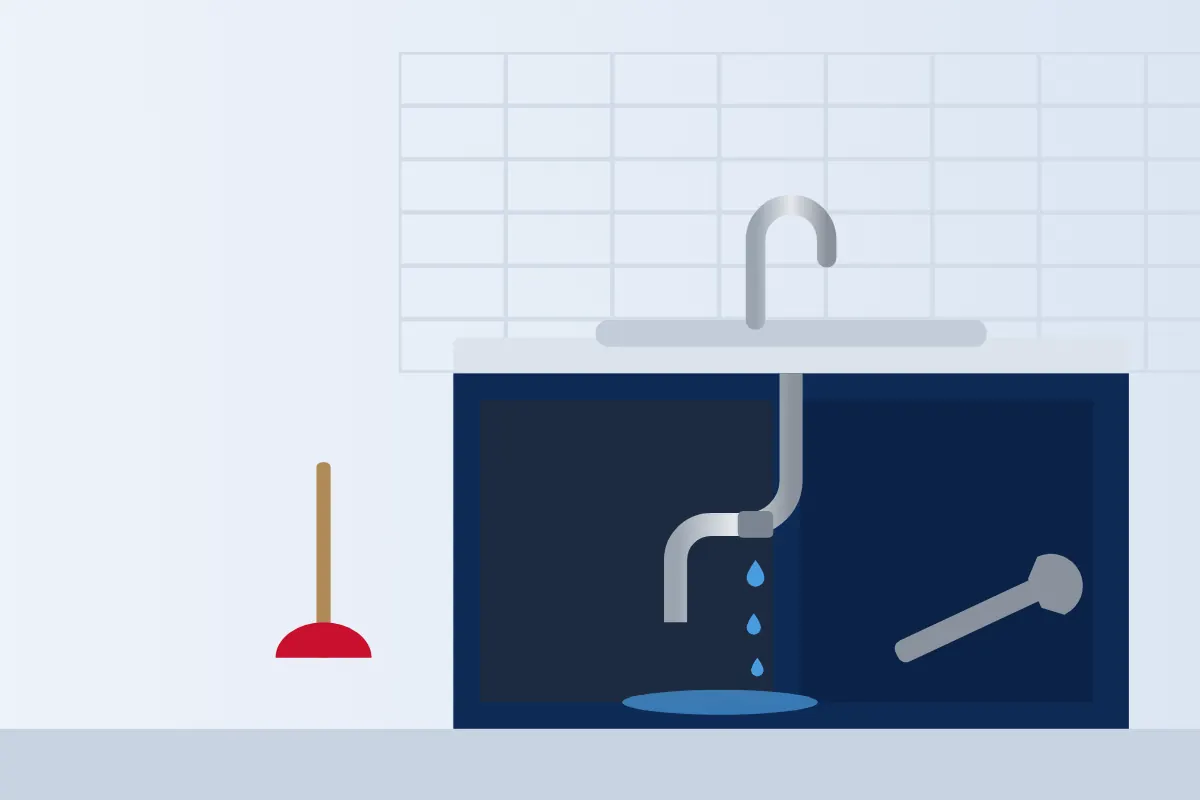
- Put a bucket under the U shaped pipe below the sink.
- Unscrew the slip nuts by hand or with pliers.
- Remove the trap, empty it and clean it out.
- Reinstall it, making sure the washers sit correctly, and run water to check for leaks.
Method 5: A drain snake
A hand drain snake, or auger, reaches clogs further down the pipe. Feed it in slowly, turn the handle when you feel resistance, then pull it out with the clog. Take care not to scratch porcelain.
What about baking soda and vinegar?
Baking soda followed by vinegar fizzes and can help freshen a drain or loosen very light buildup, but it rarely clears a real clog. It is safe to try, followed by hot water.
How to prevent clogs
- Scrape plates into the trash and pour grease into a container, not the sink
- Use drain screens in tubs and showers to catch hair
- Flush only toilet paper
- Run hot water after using the garbage disposal
- Clean sink stoppers regularly
When to call a plumber
- Several drains are slow or blocked at once
- Water backs up into a tub or floor drain when you use a toilet or washer
- Gurgling sounds or sewage smell
- The clog keeps coming back
- You have tried a plunger and snake without success
These can mean a main line blockage from grease, roots or a damaged pipe. Plumbers use motorized augers and hydro jetting. Read about drain cleaning and what causes a sewer backup.
Quick answers: how to unclog a drain
How do I unclog a drain without chemicals?
Try hot water for grease, then a plunger, then pull out hair or use a drain snake, and clean the sink trap if needed.
Does baking soda and vinegar unclog drains?
It can freshen drains and loosen light buildup but rarely clears a real clog.
Are chemical drain cleaners safe?
They can damage pipes and cause burns, and should never be mixed. Mechanical methods are safer.
When should I call a plumber for a clogged drain?
When several drains are slow, water backs up elsewhere, or simple methods do not work.
Who clears a main line clog?
A plumber with a motorized auger or hydro jetting. Sifixit can connect you with a local plumber.
Related
This guide covered how to unclog a drain. For more background, see the EPA’s WaterSense program, and if you need help, Sifixit can connect you with a local provider.
This guide is general information for homeowners, not professional, insurance or safety advice for your situation.
More helpful guides
- High water bill with no leak in sightWhy your water bill suddenly went up, how to test for a hidden leak with your meter, and...
- How to thaw a frozen pipe safelyHow to find and safely thaw a frozen water pipe, what never to use, and how to tell...
- Sewer smell in the house: causes and fixesThe most common reasons a house smells like sewage, simple fixes you can try, and when to call...
- No hot water? What to check before you call a plumberFor an electric water heater, check the breaker and the reset button on the heater.
- Running toilet: causes and how to fix itA running toilet is usually caused by a worn flapper, a chain that is too short or tangled,...
- Trenchless sewer repair vs traditional diggingTrenchless sewer repair fixes or replaces a sewer line through one or two small access holes instead of...