Short answer: Twice a year, look over the springs, cables and rollers, tighten loose hardware, lubricate moving metal parts, clean and test the safety sensors, test the auto reverse and balance, and replace worn weather seals. Leave springs, cables and anything under tension to a professional.
Your garage door is the largest moving object in your home, and many families use it several times a day. A few simple checks keep it quiet, safe and reliable. This garage door maintenance checklist covers what you can do and what to leave to a technician.
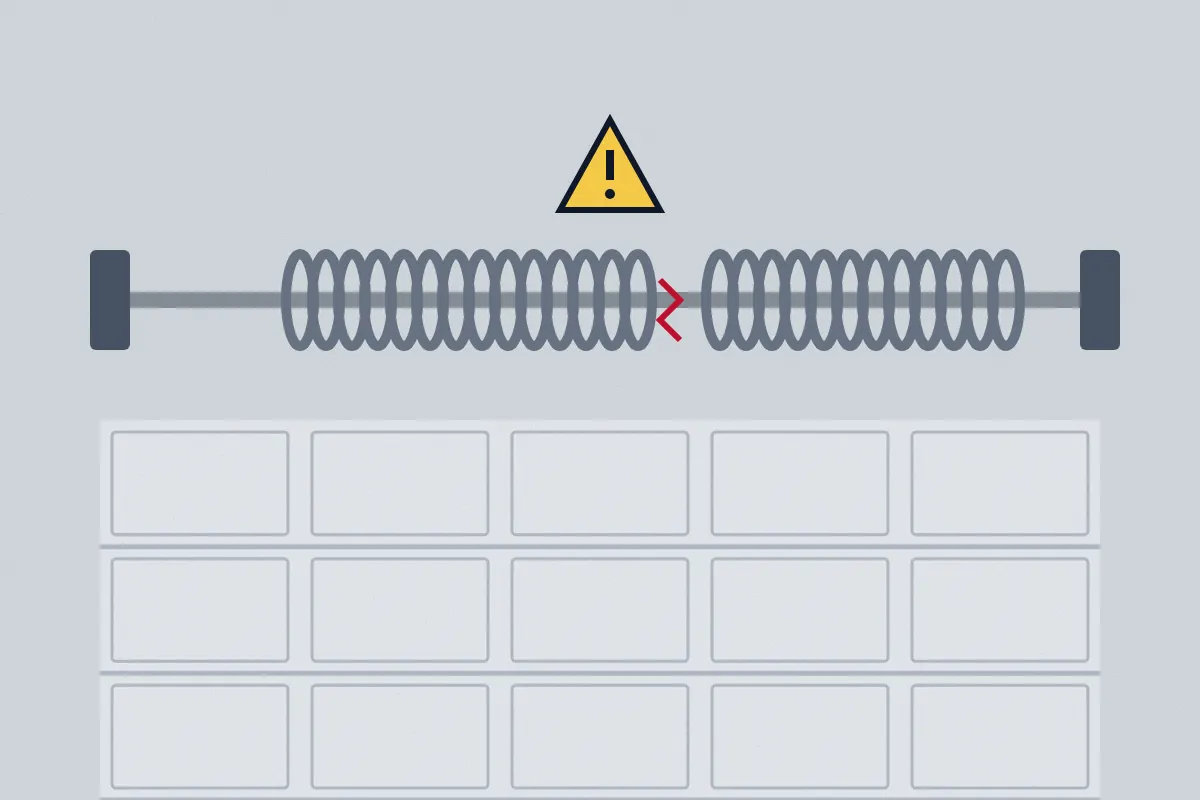
Never adjust, loosen or remove springs, cables or the bottom brackets. They hold enormous tension and can cause serious injury.
Every month
- Test the auto reverse: place a roll of paper towels or a board in the door’s path. The door should reverse when it touches it.
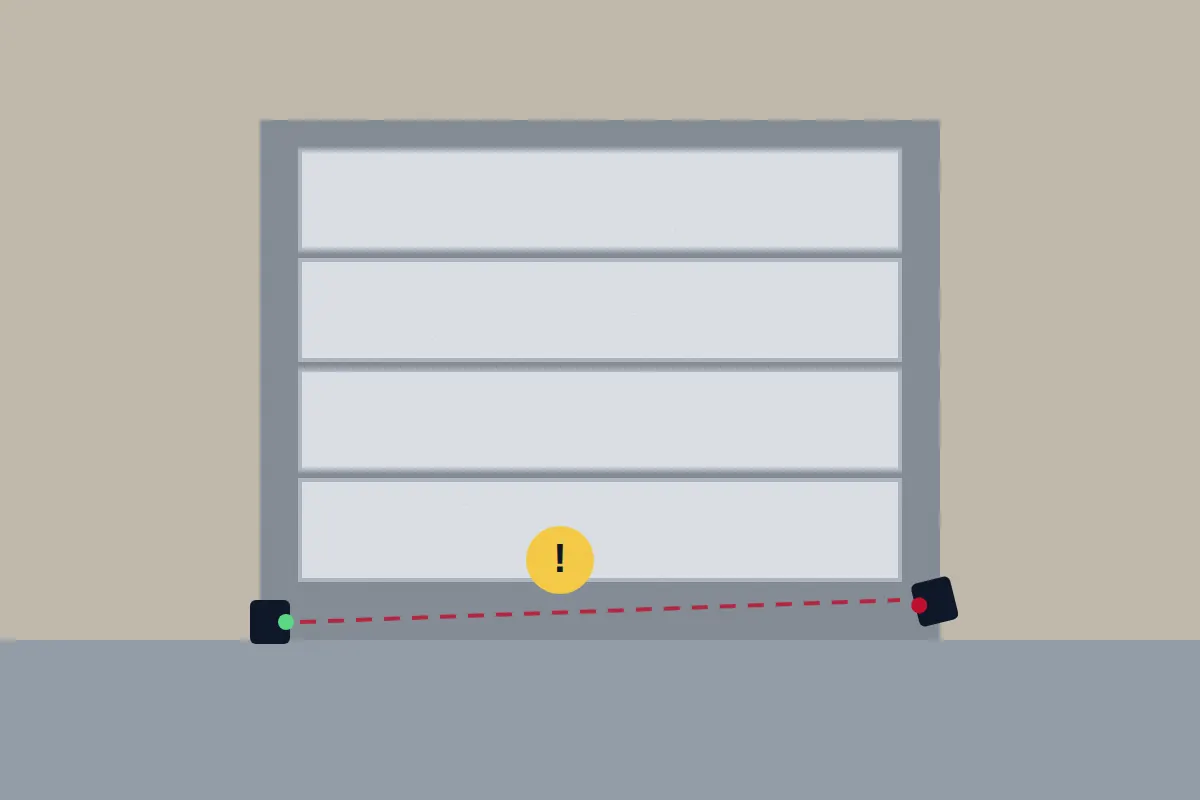
- Test the photo eye sensors: wave an object through the beam while the door closes. It should reverse.
- Watch and listen as the door moves for jerking, grinding or scraping.
Twice a year
- Look at springs, cables, rollers and pulleys for wear, rust, fraying or gaps. Call a technician if you see damage.
- Tighten loose bolts on hinges and brackets, but not the bottom brackets that hold the cables.
- Lubricate hinges, roller bearings, springs and the lock with a garage door lubricant or white lithium grease. Do not grease the tracks.
- Clean the tracks with a damp cloth to remove dirt.
- Wipe the photo eye lenses clean and check they are lined up.
- Check the weather seal at the bottom of the door, and replace it if it is cracked or brittle.
Test the balance
- Pull the emergency release cord with the door closed, to disconnect it from the opener.
- Lift the door by hand about halfway.
- Let go carefully. A balanced door stays in place.
- If it falls or rises, the springs need adjusting by a technician.
- Reconnect the door to the opener.
Signs you need a technician
- A loud bang, which often means a broken spring
- The door is very heavy or will not stay open
- Frayed or loose cables
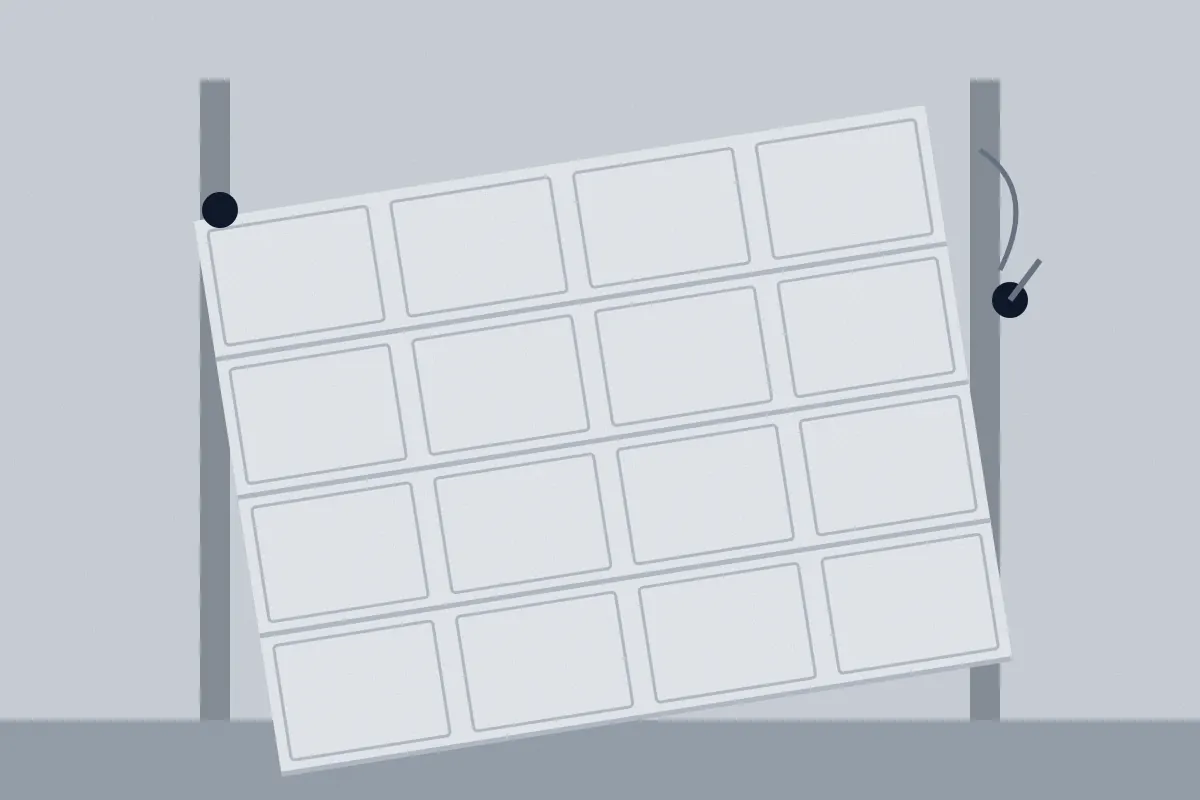
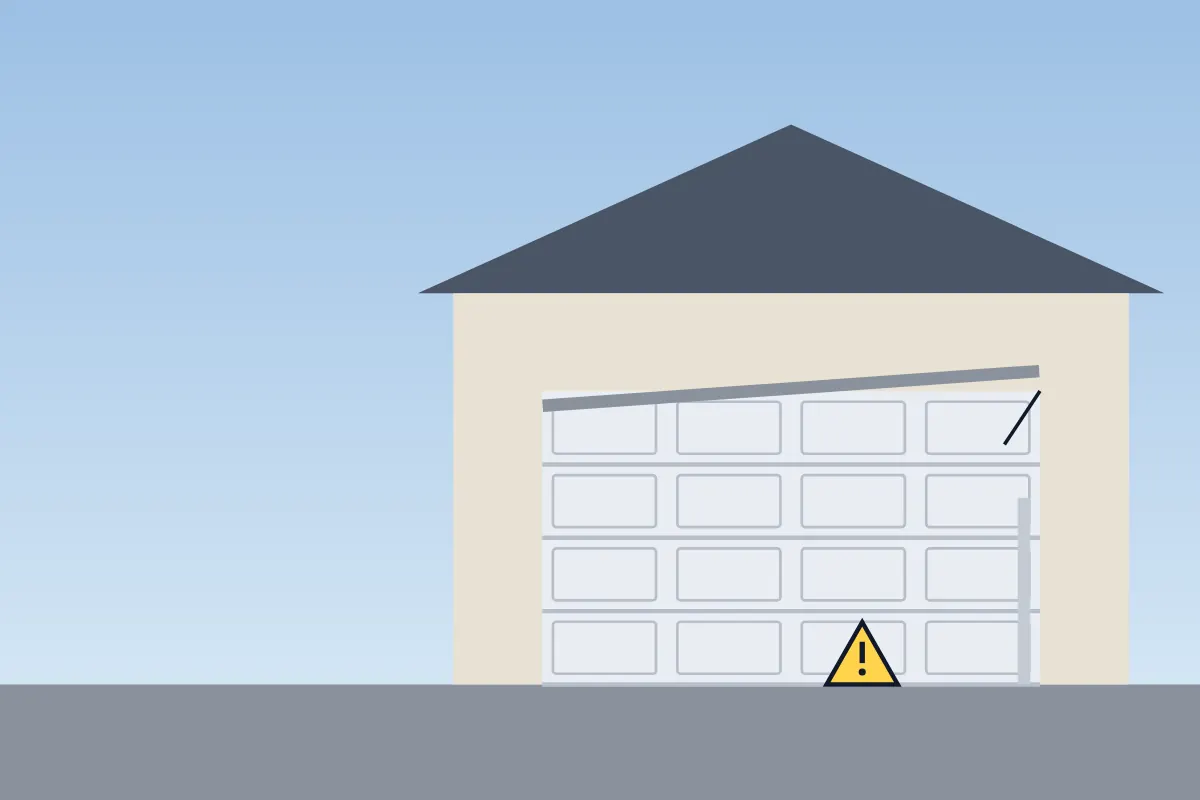
- The door is crooked, off track or bent
- The opener strains, stops or reverses for no reason
- Grinding or scraping noises that lubrication does not fix
Read about garage door spring repair and garage door repair.
How long garage door parts last
- Standard torsion springs: often around 10,000 cycles, which is roughly 7 to 10 years for many households
- Rollers: nylon rollers often last longer and run quieter than older steel rollers
- Openers: often 10 to 15 years
- Weather seals: a few years, depending on climate
Seasonal tips
- Before winter, check the weather seal and the opener’s force setting, since cold can stiffen the door
- In hot, dry areas, check wooden doors for cracks and repaint as needed
- Near the coast, rinse and inspect hardware for rust more often
- Replace remote batteries once a year
Quick answers: garage door maintenance
How often should a garage door be serviced?
Check it yourself twice a year, and have a professional tune up about once a year or when you notice problems.
What lubricant should I use on a garage door?
A garage door lubricant or white lithium grease on hinges, rollers and springs. Do not grease the tracks.
How do I test my garage door safety sensors?
Wave an object through the beam while the door closes. It should stop and reverse.
Can I adjust garage door springs myself?
No. Springs and cables are under high tension and should only be adjusted by a trained technician.
Who services garage doors?
A garage door technician. Sifixit can connect you with a local garage door company.
Related
- Garage door repair near you
- Garage door spring repair
- Garage door opener types
- New garage door installation
This guide covered garage door maintenance. For more background, see the Consumer Product Safety Commission, and if you need help, Sifixit can connect you with a local provider.
This guide is general information for homeowners, not professional, insurance or safety advice for your situation.
More helpful guides
- Garage door opener types: chain, belt, screw and wall mountChain drive openers are durable and cost the least but are the loudest.