Short answer: Chain drive openers are durable and cost the least but are the loudest. Belt drives are quiet and smooth, good for garages under bedrooms. Screw drives have few parts but can be noisy. Wall mount openers sit beside the door, free up ceiling space and are very quiet. Choose by noise, door weight, ceiling space and features.
When an old opener fails, you have more choices than ever. This guide compares the main garage door opener types and the features worth looking for.
The main types
- Chain drive: a metal chain pulls the trolley. Strong, reliable and usually the lowest cost, but noisy. Good for detached garages.
- Belt drive: a reinforced rubber belt replaces the chain. Much quieter and smoother, ideal for attached garages and rooms above.
- Screw drive: a threaded steel rod moves the trolley. Few moving parts, but can be noisy and sensitive to temperature swings.
- Wall mount, also called jackshaft: mounts on the wall beside the door and turns the torsion bar directly. Very quiet, frees ceiling space, good for high or unusual ceilings.
Horsepower and door weight
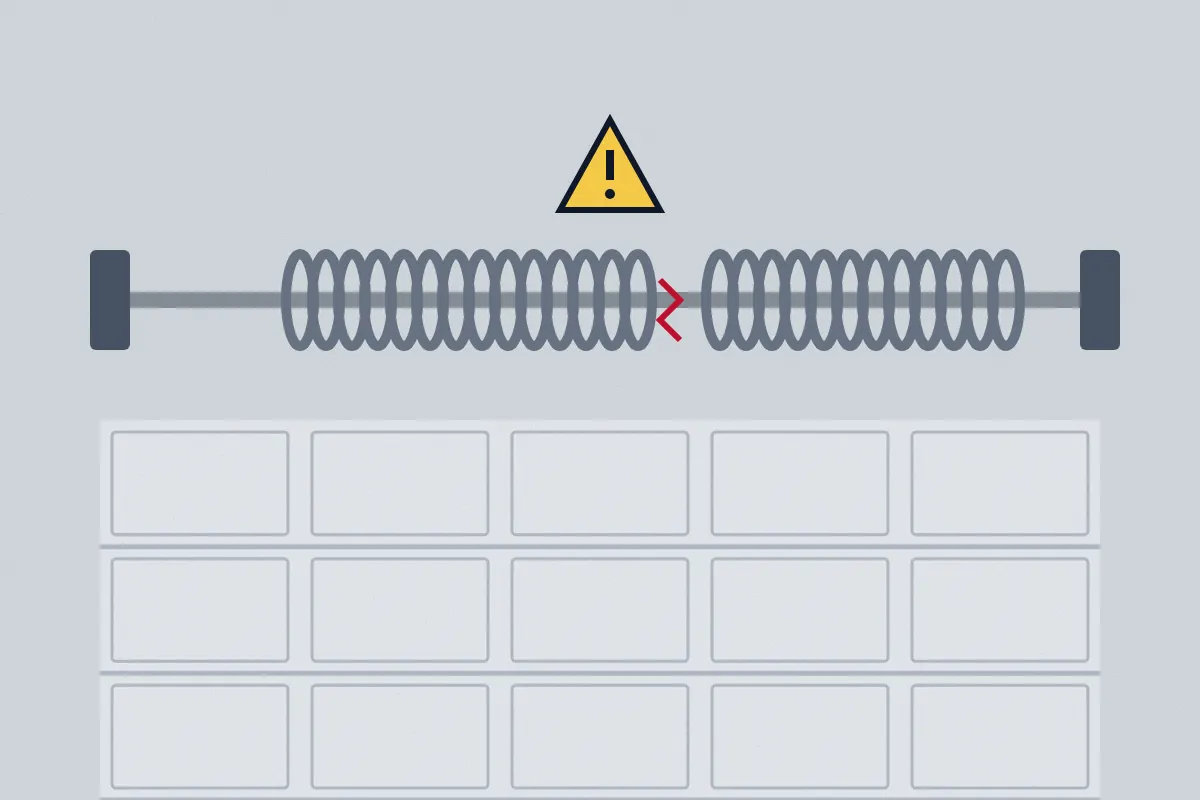
Openers are rated by horsepower or an equivalent. Most single and standard double doors work with about 1/2 horsepower. Heavy wood, insulated or oversized doors may need 3/4 horsepower or more. Remember the opener does not lift the whole weight: the springs do. A door that is hard to lift by hand has a spring problem, not an opener problem.
Features worth considering
- Battery backup: opens the door during power outages, required for new installations in California
- Smart connectivity: open, close and check the door from your phone
- Rolling code security: changes the code each use to stop code grabbing
- DC motors: quieter, with soft start and stop
- Built in lights: LED lighting and motion sensors
- Automatic door lock: useful for wall mount units
Safety features required by law
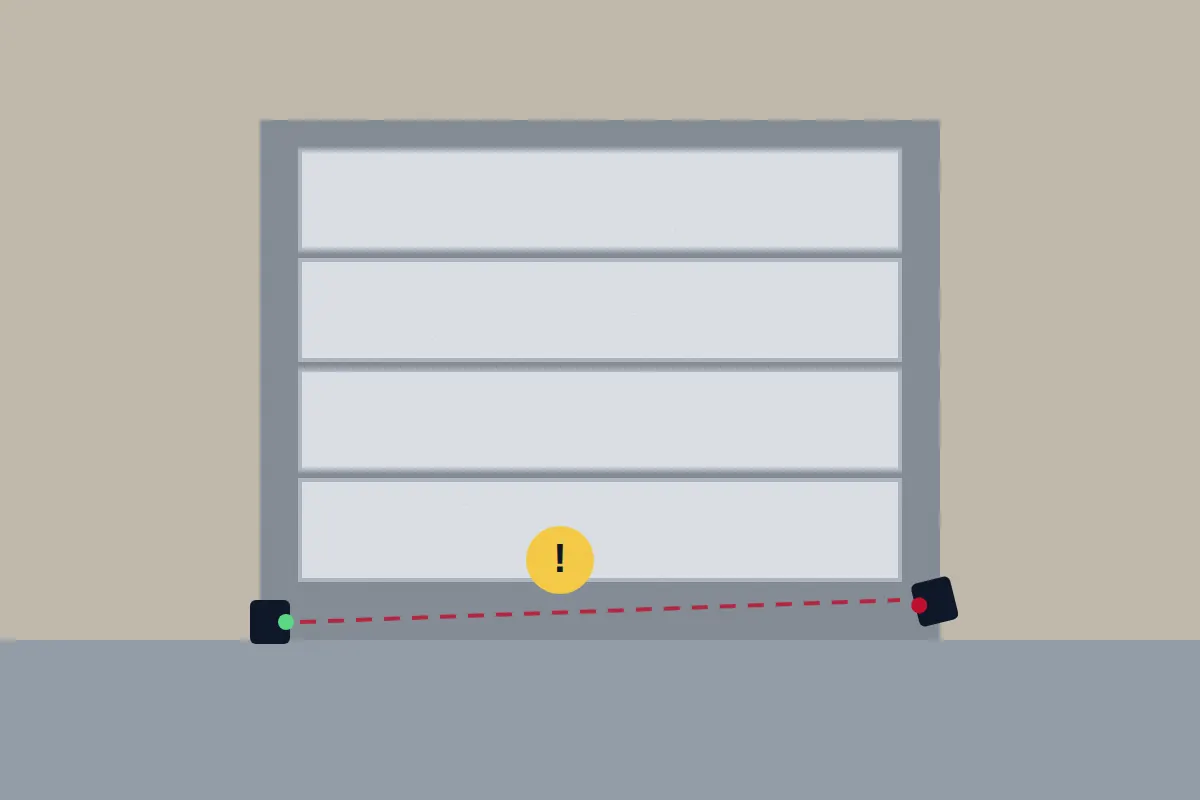
Federal rules require automatic garage door openers made since the early 1990s to have safety reversing features, such as photo eye sensors near the floor, so the door reverses if something is in its path. Test the auto reverse monthly by placing an object in the door’s path.
Installation tips
- Have the door balanced and the springs checked before installing a new opener
- Install the wall button at least five feet above the floor, out of children’s reach
- Plug the opener into a grounded outlet, not an extension cord
- Set the force and travel limits carefully, then test the auto reverse
- Keep the manual release cord easy to reach
Repair or replace the opener?
- Repair if a newer opener has a failed remote, sensor, gear or circuit board.
- Replace if it is more than 10 to 15 years old, very noisy, lacks modern safety or security features, or repairs keep adding up.

Read about garage door repair, including spring repair.
Quick answers: garage door opener types
Which garage door opener is quietest?
Belt drive and wall mount openers are the quietest. Chain drives are the loudest.
What horsepower opener do I need?
About 1/2 horsepower for most standard doors, and 3/4 or more for heavy or oversized doors.
Can a new opener fix a heavy door?
No. The springs lift the door. A heavy door needs spring service, not a stronger opener.
How long do garage door openers last?
Often 10 to 15 years, depending on use and maintenance.
Who installs garage door openers?
A garage door technician. Sifixit can connect you with a local garage door company.
Related
- Garage door repair near you
- Garage door spring repair
- Garage door maintenance
- New garage door installation
This guide covered garage door opener types. For more background, see the Consumer Product Safety Commission, and if you need help, Sifixit can connect you with a local provider.
This guide is general information for homeowners, not professional, insurance or safety advice for your situation.
More helpful guides
- Garage door maintenance checklistTwice a year, look over the springs, cables and rollers, tighten loose hardware, lubricate moving metal parts, clean...