Short answer: If only one faucet or shower is weak, a clogged aerator or showerhead is the usual cause. If the whole house has low pressure, check that the main shut off valve is fully open, then look at the pressure regulator, a hidden leak, old corroded pipes, or a problem on the water supplier’s side.
Weak water pressure makes showers frustrating and appliances slow. The good news is that many causes are simple to fix. If you are asking why is my water pressure low, this guide explains the most common causes and how to find yours.
Step 1: Is it one fixture or the whole house?
- One fixture: the problem is usually in that faucet, showerhead or its supply valve.
- Hot water only: the problem may be the water heater, such as sediment or a partly closed valve.
- The whole house: the problem is in the main supply, the regulator, the pipes or the supplier.
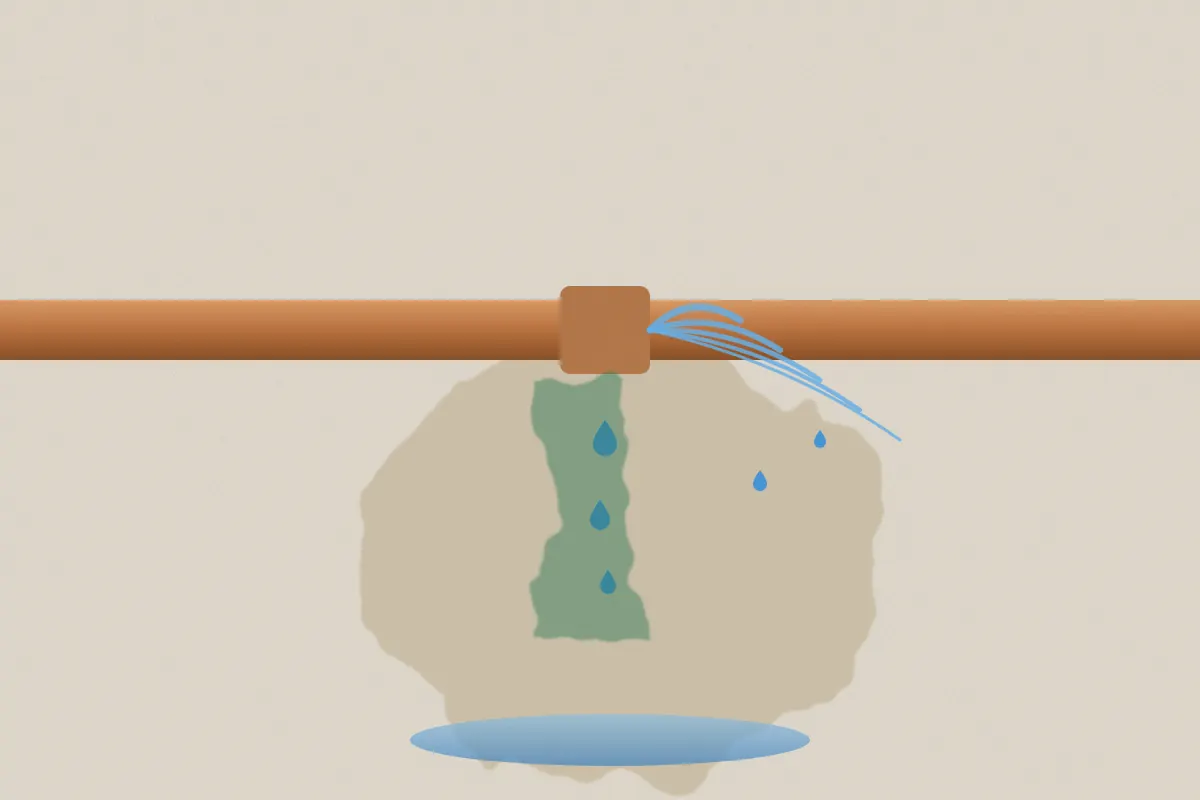
Fixes for one fixture
- Unscrew the faucet aerator and rinse out grit and mineral scale.
- Soak a showerhead in white vinegar for a few hours to dissolve scale.
- Check that the shut off valves under the sink are fully open.
- Replace an old cartridge in a faucet or shower valve if flow stays weak.
Causes of low pressure in the whole house
- Main shut off valve partly closed: often after recent plumbing work.
- Pressure reducing valve: many homes have a regulator near the main valve that can wear out or be set too low.
- A hidden leak: water escaping from a supply line or slab leak lowers pressure.
- Old galvanized pipes: corrosion builds up inside and narrows the pipe over time.
- Water supplier issues: main breaks, maintenance or high demand in your area.
- Well pump problems: for homes on a well, the pump or pressure tank may need service.
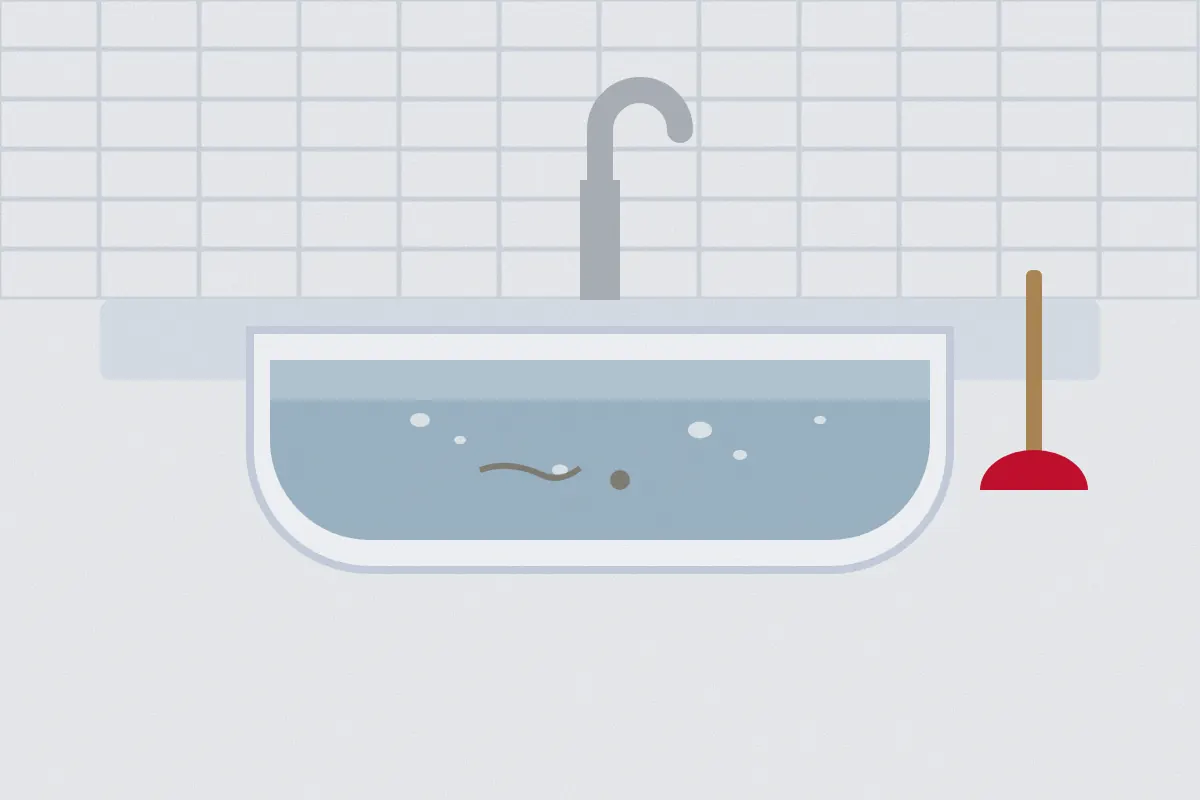
Check for a leak
Turn off every tap and appliance, note the water meter reading, wait an hour and check again. If it moved, you likely have a leak. Read our guide to slab leak signs and about leak detection.
Ask your neighbors
If neighbors also have low pressure, the problem is probably with the water supplier. Contact them for updates on repairs or maintenance.
When water pressure is too high
Pressure that is too high, often above about 80 psi, can be just as harmful. It stresses pipes, fittings, water heaters and appliances, and can cause leaks and banging pipes. A working pressure reducing valve keeps it in a safe range. If faucets spray hard or pipes bang when taps close, have the pressure tested.
When to call a plumber
- Low pressure in the whole house with no supplier problem
- You suspect a leak or the meter moves when water is off
- Your home has old galvanized pipes
- The pressure regulator needs adjusting or replacing
- Pressure is too high, which can damage fixtures and cause leaks
A plumber can test the pressure with a gauge. Many homes aim for around 40 to 60 psi. Read about plumbing services.
Quick answers: why is my water pressure low
Why is my water pressure suddenly low?
Common causes are a partly closed main valve, a failing pressure regulator, a leak or a problem with the water supplier.
Why is only my shower pressure low?
Usually a clogged showerhead or an old valve cartridge. Soaking the showerhead in vinegar often helps.
Can a leak cause low water pressure?
Yes. Water escaping from a supply line or slab leak lowers pressure throughout the home.
What is normal home water pressure?
Many homes aim for around 40 to 60 psi. A plumber can test it with a gauge.
Who fixes low water pressure?
A licensed plumber. Sifixit can connect you with a local plumber.
Related
This guide covered why is my water pressure low. For more background, see the EPA’s WaterSense program, and if you need help, Sifixit can connect you with a local provider.
This guide is general information for homeowners, not professional, insurance or safety advice for your situation.
More helpful guides
- High water bill with no leak in sightWhy your water bill suddenly went up, how to test for a hidden leak with your meter, and...
- How to thaw a frozen pipe safelyHow to find and safely thaw a frozen water pipe, what never to use, and how to tell...
- Sewer smell in the house: causes and fixesThe most common reasons a house smells like sewage, simple fixes you can try, and when to call...
- No hot water? What to check before you call a plumberFor an electric water heater, check the breaker and the reset button on the heater.
- Running toilet: causes and how to fix itA running toilet is usually caused by a worn flapper, a chain that is too short or tangled,...
- Trenchless sewer repair vs traditional diggingTrenchless sewer repair fixes or replaces a sewer line through one or two small access holes instead of...