Short answer: A whole house surge protector is installed at the electrical panel and helps protect every circuit from power surges coming in from the utility, such as from lightning or grid switching. It works best paired with plug in surge protectors for sensitive electronics. For many homes with modern appliances, it is a worthwhile, low maintenance addition.
Modern homes are full of electronics: TVs, computers, smart thermostats, and appliances with control boards. Power surges can damage them all. This guide explains whole house surge protection and whether you need it.
What causes power surges
- Lightning strikes on or near power lines
- Utility grid switching and outages
- Downed lines and transformer problems
- Large motors inside the home, such as air conditioners, starting and stopping
Most surges are small and happen many times a day, slowly wearing down electronics. Large surges are rarer but can destroy equipment instantly.
How a whole house surge protector works
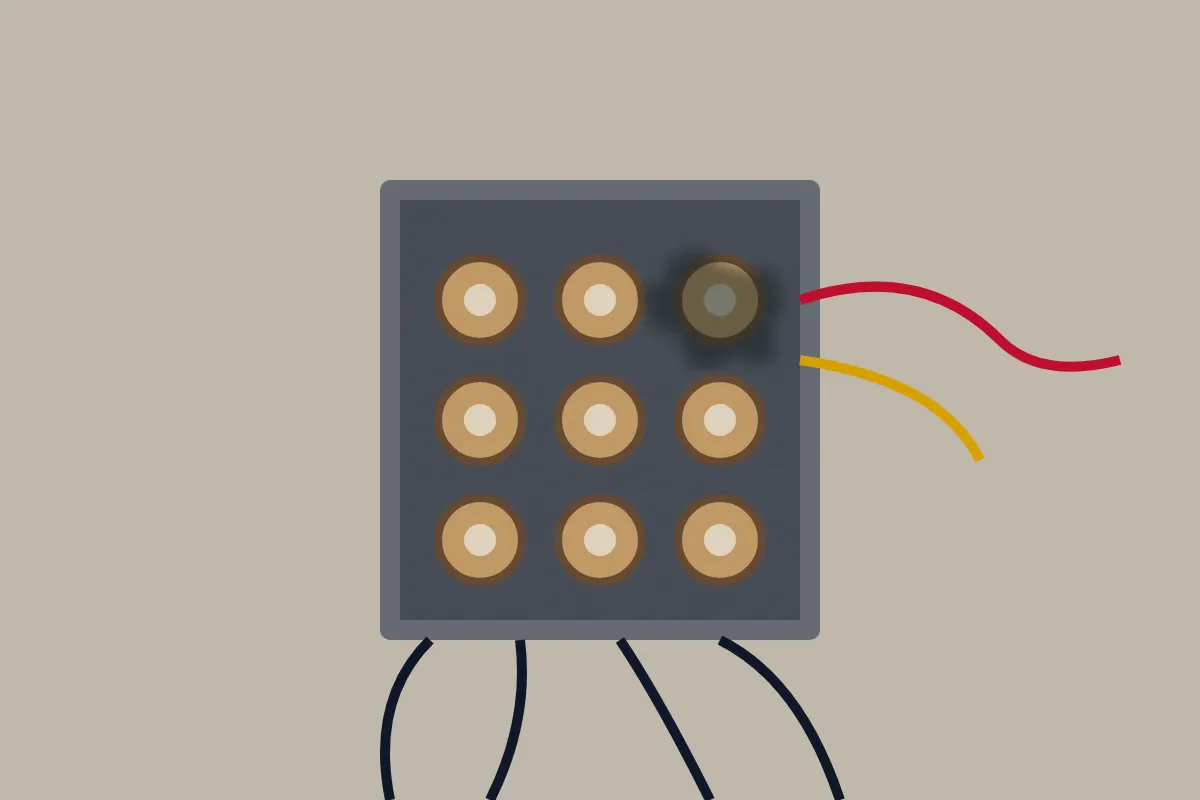
A whole house surge protector, also called a surge protective device, is mounted at or in the main electrical panel. When voltage spikes, it diverts the extra energy to ground before it reaches your circuits. It protects hardwired appliances, such as the air conditioner, furnace, water heater, oven and well pump, which plug in strips cannot protect.
Layered protection
- Whole house protector at the panel: handles surges coming in from outside.
- Plug in surge protectors: for TVs, computers and other sensitive electronics, also catching smaller internal surges.
- Protection on cable, phone and internet lines: surges can enter through these too.
Is it worth it?
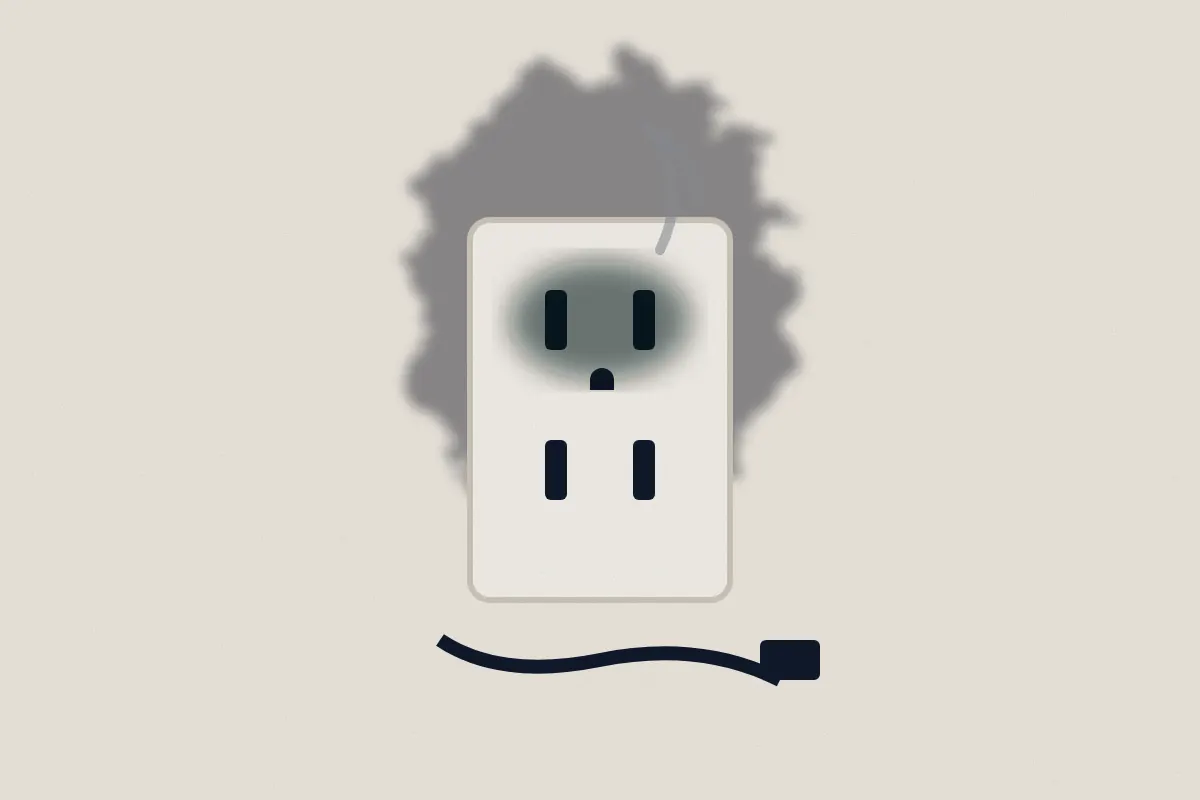
- You live where thunderstorms and lightning are common
- You have expensive electronics, smart appliances or an EV charger
- Your area has frequent outages or unstable power
- You are upgrading your panel, a good time to add one
Recent editions of the National Electrical Code call for surge protection on new and replaced home electrical services, so many areas now require it when a panel is upgraded. Your electrician can confirm local rules.
Installation
A whole house surge protector should be installed by a licensed electrician, since it connects inside the panel. It usually has indicator lights that show whether it is still protecting. Some units need replacing after a large surge. Read about panel upgrades and EV charger installation.
Signs a surge may have damaged equipment
- Electronics that stop working after a storm or outage
- Appliances that reset, flash error codes or act strangely
- A tripped breaker after lightning nearby
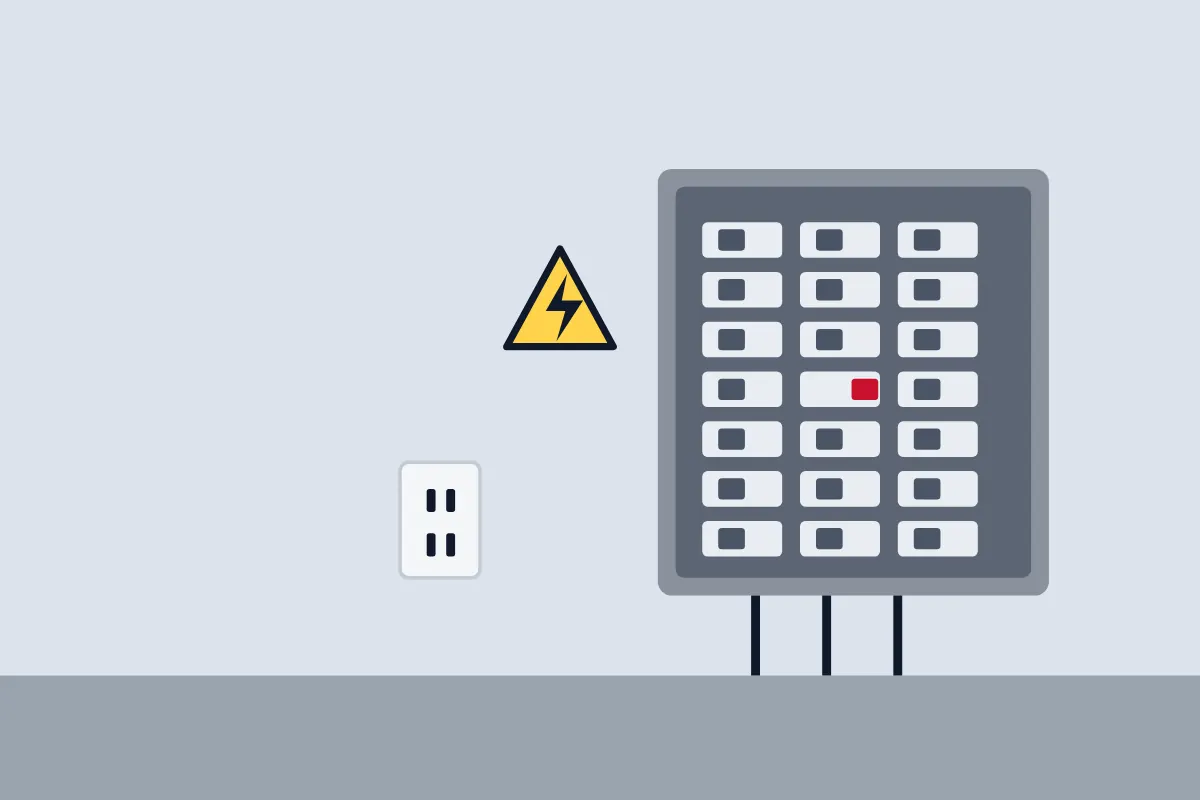
- Burning smells from devices or outlets
If you notice these, unplug affected devices and have an electrician check the panel and circuits.
What surge protection cannot do
- It cannot protect against a direct lightning strike on the house
- It does not replace proper grounding and bonding
- It does not stop outages, only surges
Quick answers
Is a whole house surge protector worth it?
For many homes with modern electronics and appliances, yes, especially where lightning and outages are common.
Where is a whole house surge protector installed?
At or in the main electrical panel, by a licensed electrician.
Do I still need plug in surge protectors?
Yes, for sensitive electronics. Layered protection works best.
Does code require surge protection?
Recent editions of the National Electrical Code call for it on new and replaced services. Local rules vary.
Who installs surge protectors?
A licensed electrician. Sifixit can connect you with a local electrician.
Related
This guide covered whole house surge protector. For more background, see the Electrical Safety Foundation, and if you need help, Sifixit can connect you with a local provider.
This guide is general information for homeowners, not professional, insurance or safety advice for your situation.
More helpful guides
- Why a breaker keeps trippingThe three main reasons a circuit breaker keeps tripping, what you can safely check, and when to call...
- GFCI outlets: what they are and where you need themA GFCI outlet shuts off power in a fraction of a second when it senses current leaking to...
- Signs of dangerous wiring in your homeWarning signs include burning smells, scorch marks or warm outlets and switch plates, breakers that trip often, flickering...