Short answer: A GFCI outlet shuts off power in a fraction of a second when it senses current leaking to ground, such as through a person touching water. Electrical codes require GFCI protection in bathrooms, kitchen countertops, garages, outdoors, laundry areas, unfinished basements and crawl spaces, and near sinks. Test them monthly with the test button.
You have probably seen outlets with test and reset buttons. These are GFCI outlets, and they prevent many serious shocks every year. This guide explains how a GFCI outlet works, where you need them and what to do when one will not reset.
What a GFCI does
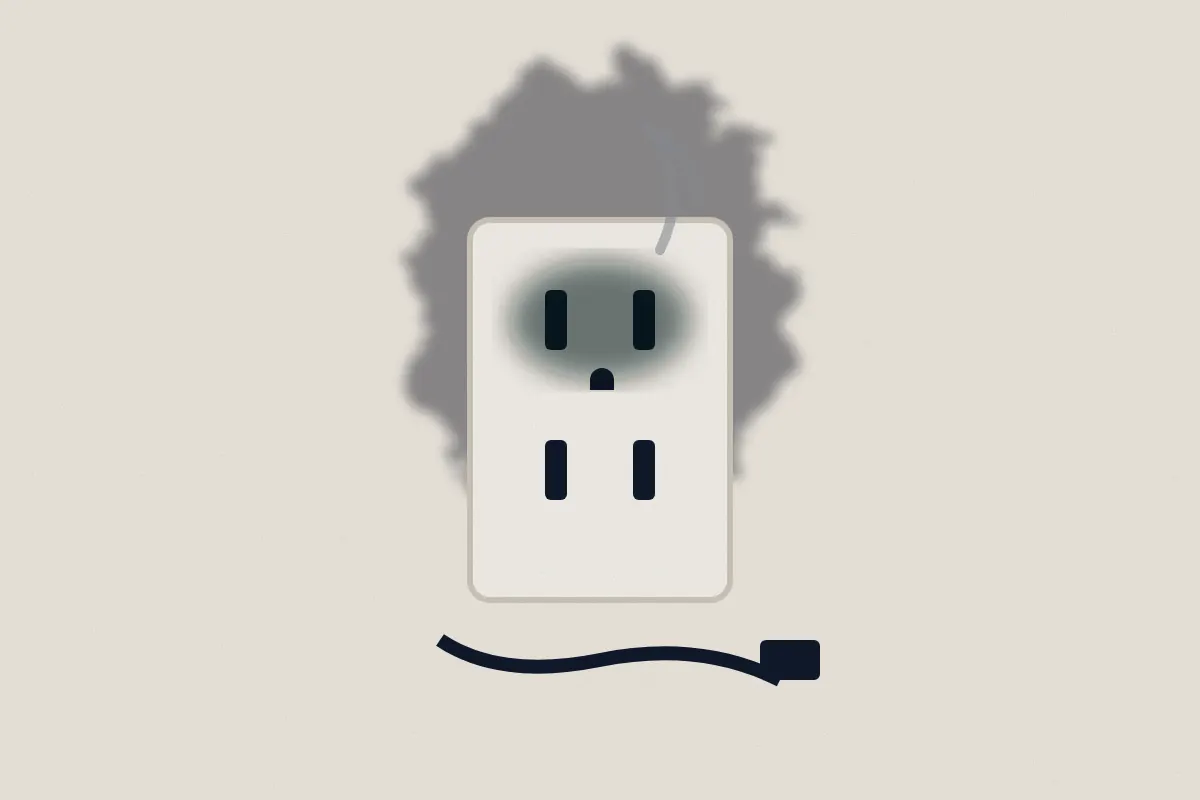
GFCI stands for ground fault circuit interrupter. It constantly compares the current going out and coming back on a circuit. If some current is escaping, for example through water or a person, it cuts the power almost instantly, much faster than a regular breaker.
Where GFCI protection is required
The National Electrical Code requires GFCI protection in many damp or wet locations in homes, and local codes adopt versions of it. Typical locations include:
- Bathrooms
- Kitchen countertop outlets
- Garages and accessory buildings
- Outdoor outlets
- Laundry areas
- Unfinished basements and crawl spaces
- Outlets near sinks, tubs and showers
- Pool and hot tub equipment
Older homes may not have them. Adding GFCI protection is a simple, valuable safety upgrade.
How to test a GFCI
- Plug in a lamp or night light and turn it on.
- Press the test button. The light should go off.
- Press reset. The light should come back on.
- If the light stays on after pressing test, the GFCI is not protecting you and should be replaced.
When a GFCI will not reset
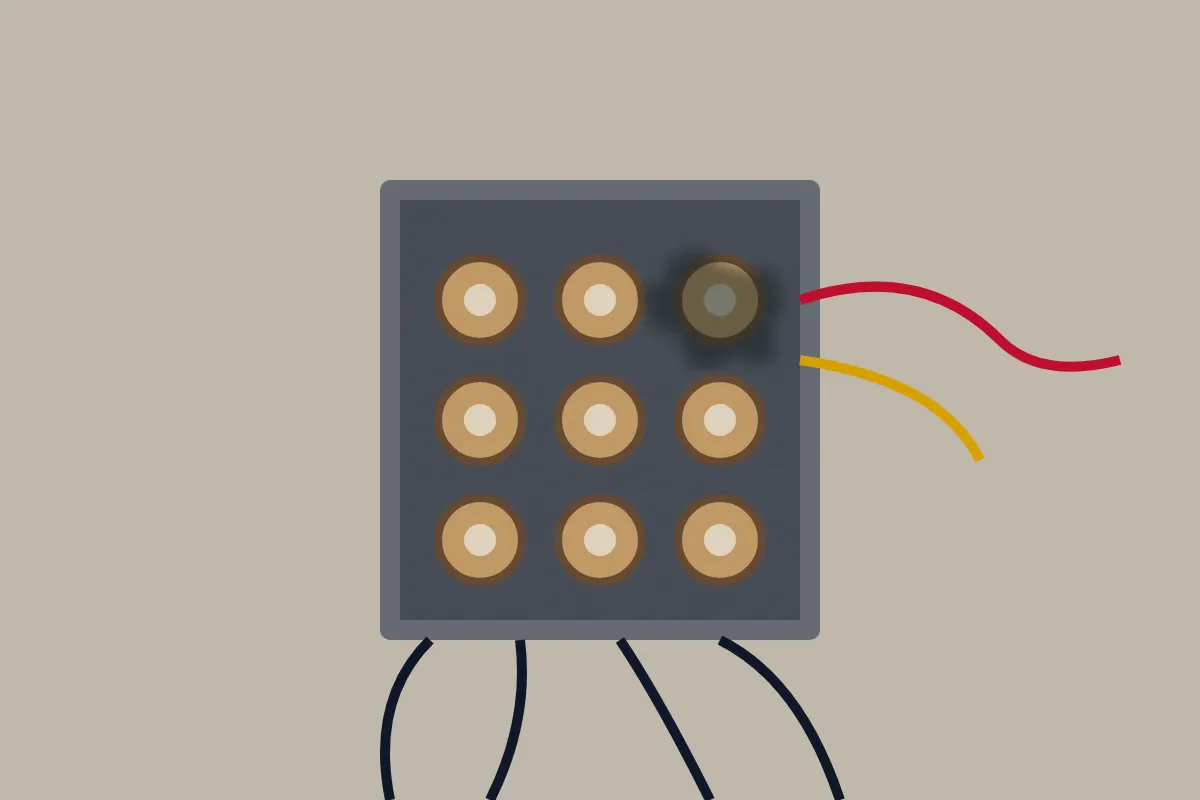
- Unplug everything on that outlet and any downstream outlets, then try again
- Check whether the breaker for that circuit has tripped
- Make sure the outlet is dry
- If it still will not reset, there may be a real ground fault or the GFCI has failed. Call an electrician
One GFCI can protect several outlets
A GFCI outlet wired correctly can protect other regular outlets further down the same circuit. That is why pressing reset in the bathroom sometimes brings power back to an outlet in another room. GFCI breakers in the panel can protect a whole circuit.
Read about electrical repair and signs of dangerous wiring.
Quick answers: gfci outlet
What is a GFCI outlet?
An outlet that cuts power instantly when it senses current leaking to ground, preventing serious shocks.
Where are GFCI outlets required?
Bathrooms, kitchen countertops, garages, outdoors, laundry areas, unfinished basements, crawl spaces and near water.
How often should I test GFCI outlets?
Once a month, using the test and reset buttons.
Why won't my GFCI reset?
A ground fault, moisture, a tripped breaker or a failed GFCI. Call an electrician if it will not reset.
Who installs GFCI outlets?
A licensed electrician. Sifixit can connect you with a local electrician.
Related
This guide covered gfci outlet. For more background, see the Electrical Safety Foundation, and if you need help, Sifixit can connect you with a local provider.
This guide is general information for homeowners, not professional, insurance or safety advice for your situation.
More helpful guides
- Why a breaker keeps trippingThe three main reasons a circuit breaker keeps tripping, what you can safely check, and when to call...
- Whole house surge protection: is it worth itA whole house surge protector is installed at the electrical panel and helps protect every circuit from power...
- Signs of dangerous wiring in your homeWarning signs include burning smells, scorch marks or warm outlets and switch plates, breakers that trip often, flickering...