Short answer: Warning signs include burning smells, scorch marks or warm outlets and switch plates, breakers that trip often, flickering or dimming lights, buzzing sounds, sparks and outlets that feel loose. Older homes with knob and tube wiring, aluminum branch wiring or a fuse box deserve an electrician’s check. Any burning smell or smoke is an emergency.
Electrical problems cause thousands of home fires every year. Many give warning signs first. This guide explains the signs of dangerous wiring and what to do about them.
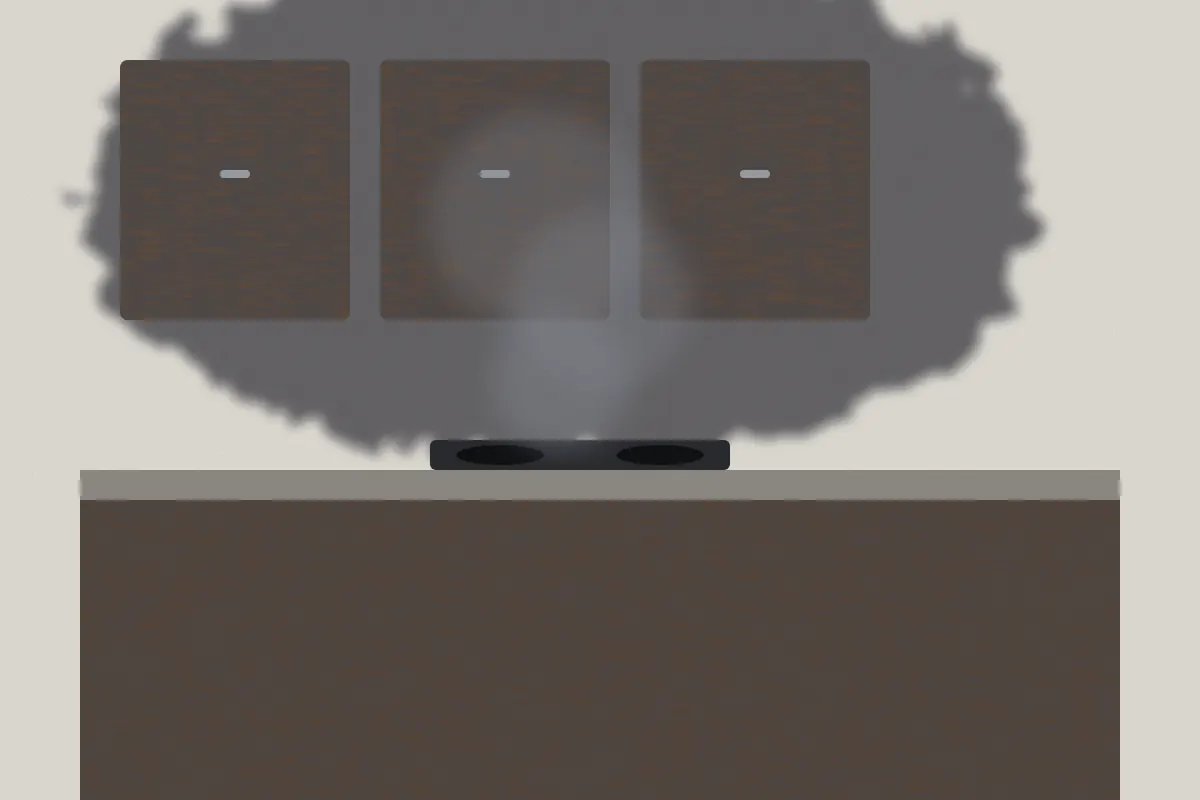
If you smell burning, see smoke or sparks, switch off the power at the main panel if you can do it safely, leave the home and call 911.
Warning signs
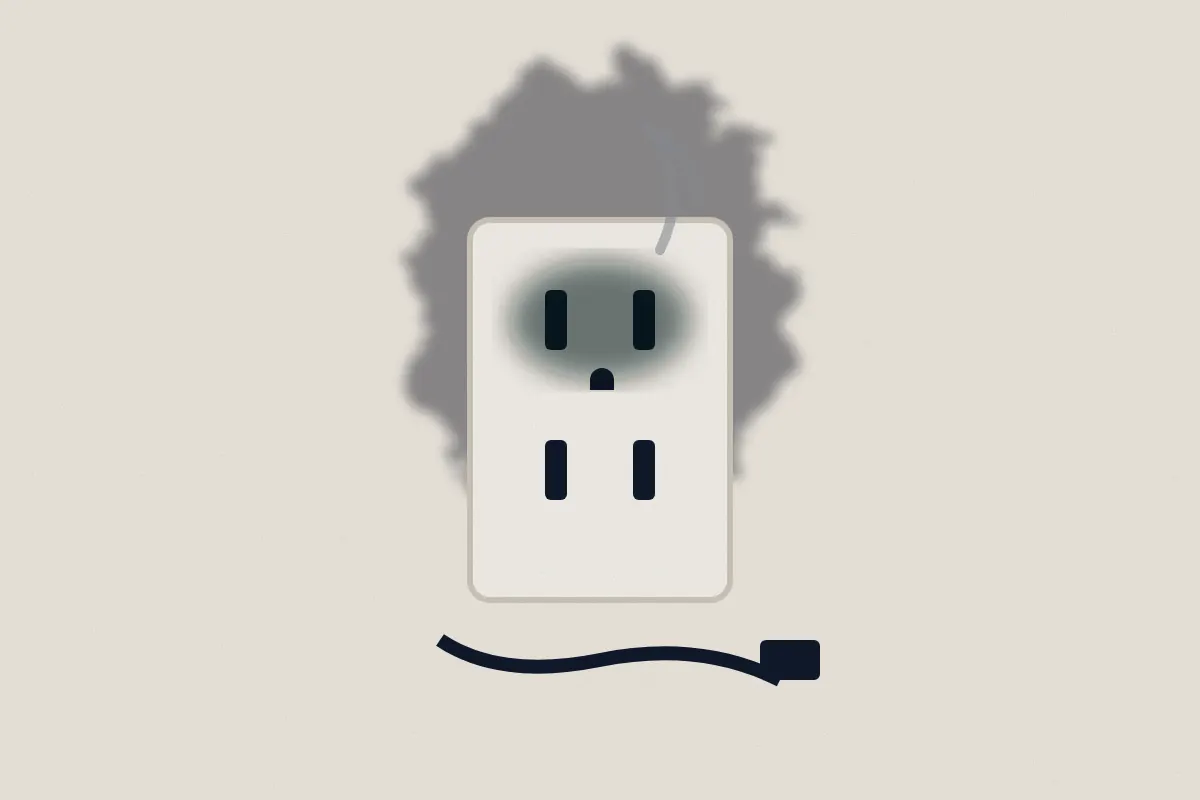
- A burning or hot plastic smell near outlets, switches or the panel
- Scorch marks or discoloration on outlets and switch plates
- Outlets, switches or cords that feel warm
- Breakers that trip often, or fuses that blow
- Lights that flicker, dim or brighten when appliances run
- Buzzing, crackling or sizzling sounds
- Sparks when plugging in
- Loose outlets where plugs fall out
- Mild shocks when touching appliances or switches
Older wiring that needs a check
- Knob and tube wiring: found in homes built before about the 1940s. It has no ground wire and its insulation can break down with age.
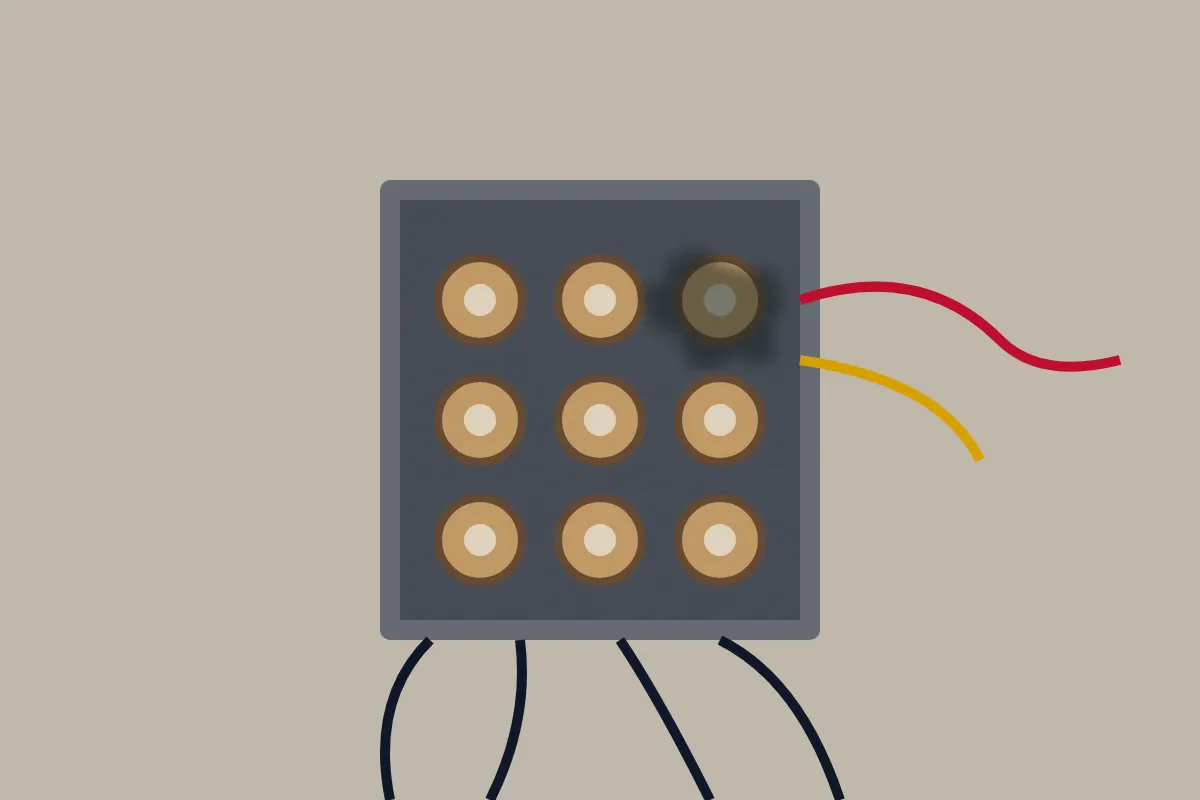
- Aluminum branch wiring: used in some homes built in the 1960s and 1970s. Connections can loosen and overheat unless properly repaired.
- Fuse boxes and old panels: often too small for modern appliances, and some older panel brands have known problems.
- Ungrounded outlets: two prong outlets without a ground.
Other risk factors
- DIY wiring by previous owners, with loose connections or missing boxes
- Extension cords used as permanent wiring
- Too many devices plugged into one outlet or power strip
- Damage from rodents chewing wires in attics and walls
- Water near outlets in kitchens, bathrooms, garages and outdoors without GFCI protection
What an electrician checks
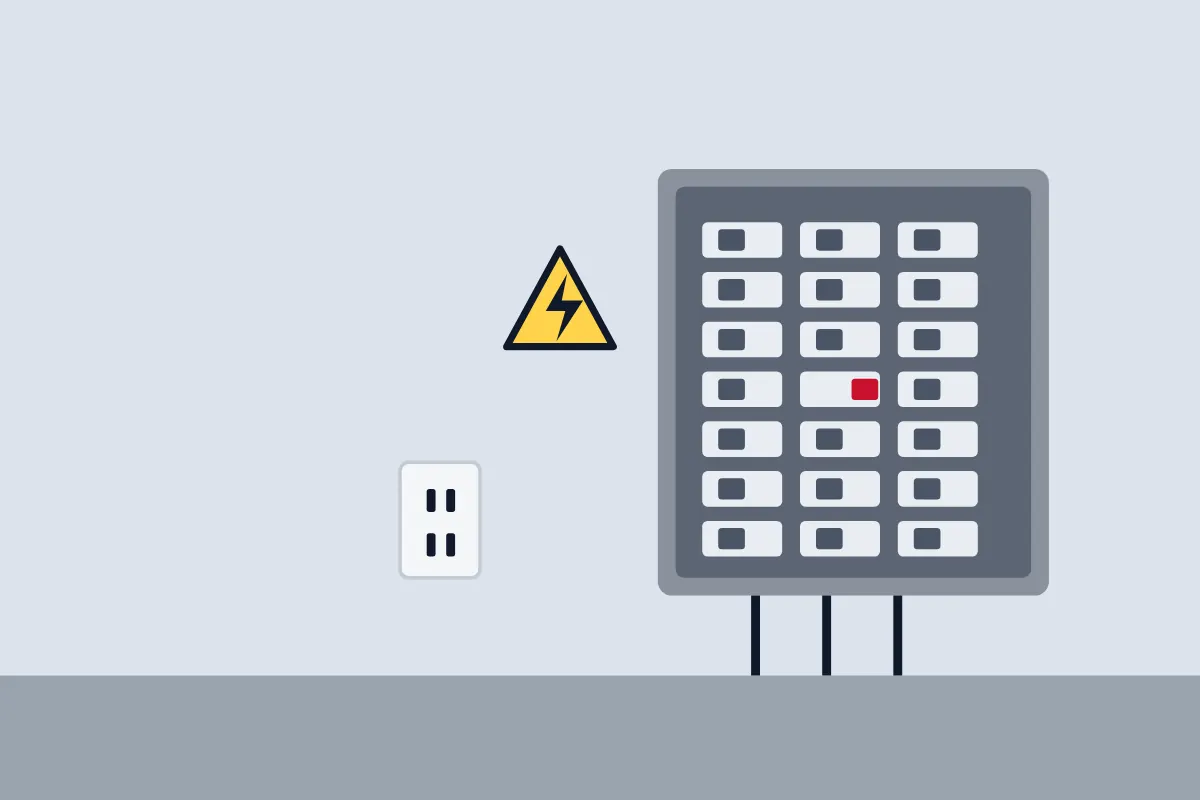
An electrician can inspect the panel, test circuits, check outlets and connections, look for overheating with thermal imaging, and recommend repairs such as replacing outlets, adding GFCI and AFCI protection, repairing aluminum connections, rewiring or a panel upgrade. Many insurers also ask about older wiring. Read about wiring and rewiring.
When to have an electrical inspection
- Before buying an older home
- If the home is more than 40 years old and has never been checked
- After a flood, fire or major storm
- Before adding big loads such as an EV charger, a hot tub or central air
- If your insurer asks about the wiring
Simple safety habits
- Never replace a breaker or fuse with a larger size
- Do not run cords under rugs or through doorways
- Use outlets and cords rated for the load
- Replace damaged cords and plugs
- Test GFCI outlets monthly with the test button
- Keep smoke alarms working on every level
Quick answers: signs of dangerous wiring
What are signs of dangerous wiring?
Burning smells, scorch marks, warm outlets, flickering lights, buzzing, sparks and breakers that trip often.
Is knob and tube wiring dangerous?
It is old, ungrounded and its insulation can break down, so it should be inspected and often replaced.
Why do my lights flicker?
A loose bulb, a bad switch or loose connections, or a circuit overloaded by large appliances. Frequent flickering needs an electrician.
Is a warm outlet dangerous?
Yes. A warm outlet or switch can mean a loose connection or overload. Stop using it and call an electrician.
Who should I call for wiring problems?
A licensed electrician. Sifixit can connect you with a local electrician.
Related
This guide covered signs of dangerous wiring. For more background, see the Electrical Safety Foundation, and if you need help, Sifixit can connect you with a local provider.
This guide is general information for homeowners, not professional, insurance or safety advice for your situation.
More helpful guides
- Why a breaker keeps trippingThe three main reasons a circuit breaker keeps tripping, what you can safely check, and when to call...
- GFCI outlets: what they are and where you need themA GFCI outlet shuts off power in a fraction of a second when it senses current leaking to...
- Whole house surge protection: is it worth itA whole house surge protector is installed at the electrical panel and helps protect every circuit from power...