New siding changes how a home looks and how well it keeps out water and weather. Replacement is a bigger job than it seems from the street, because the most important work happens behind the siding, in the sheathing and weather barrier.
Sifixit is a free referral service. Call the number on this page and you will be connected with an independent siding provider where one serves your area. Calling costs nothing and you are never obliged to hire anyone.
Signs it is time to replace siding
Several of these together usually point to replacement rather than repair.
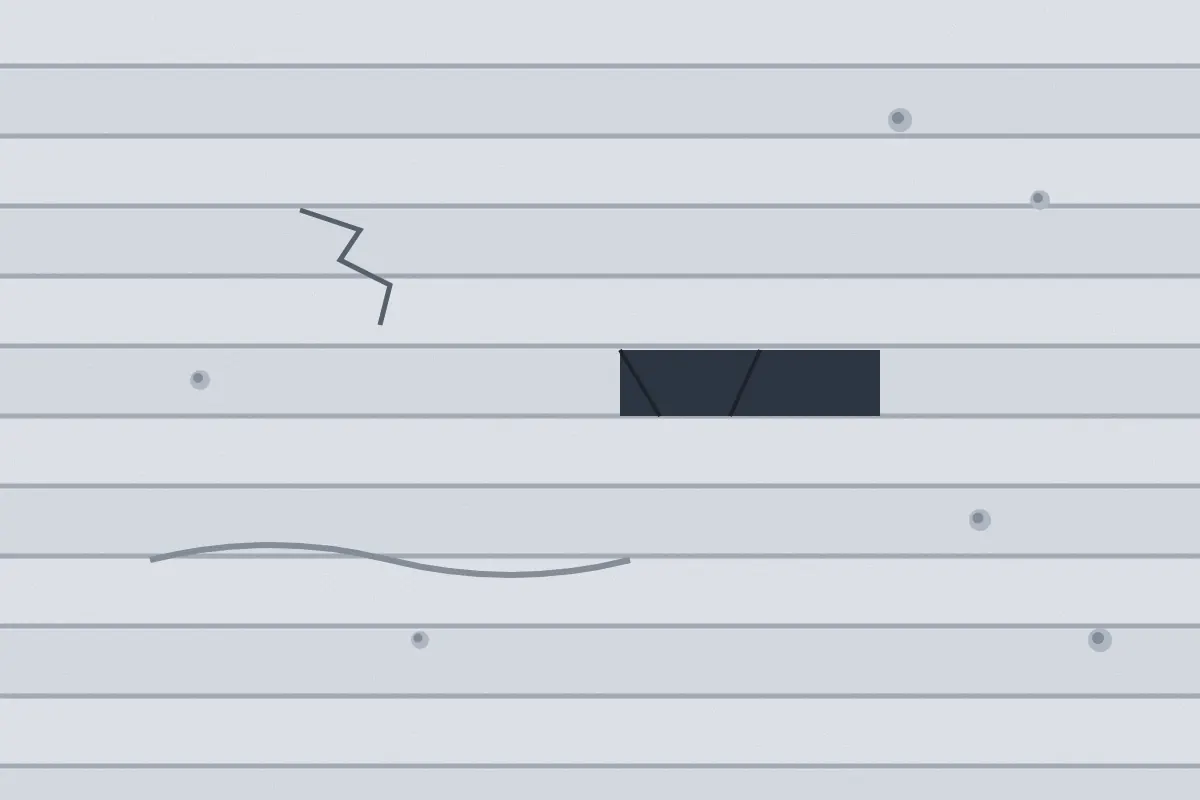
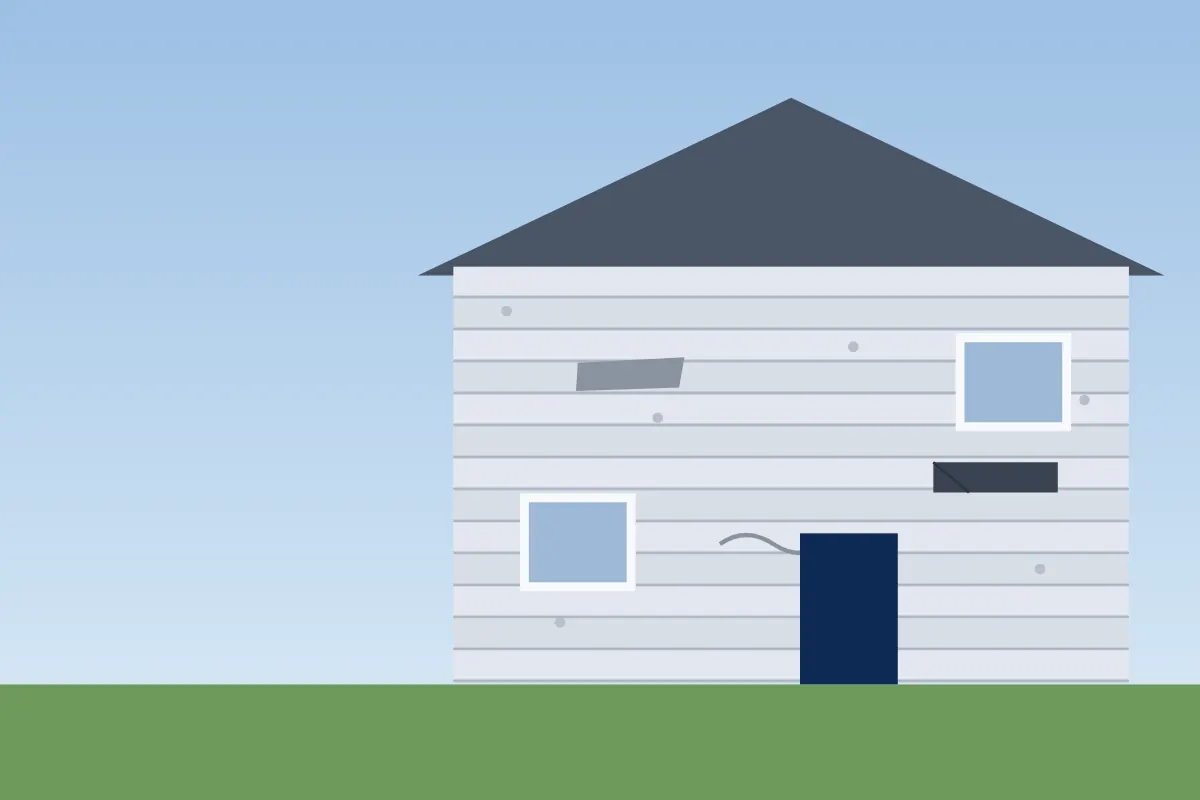
- Widespread cracking, warping or buckling
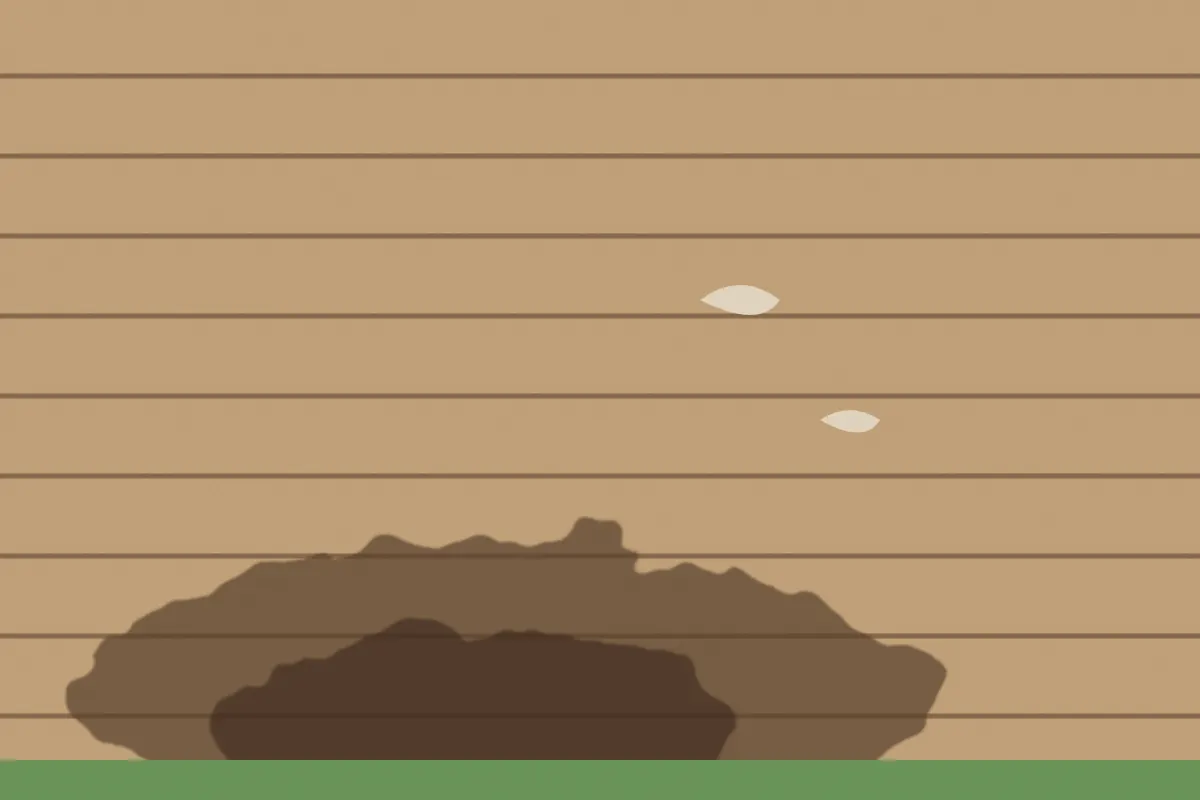
- Rot or soft spots in many areas
- Siding that is loose or falling off
- Fading and wear across the whole house
- Water damage showing inside the walls
- Repairs that no longer match or keep failing
What to do right now
If siding has been torn off by a storm, keep rain out of the wall as best you can from the ground, and leave ladder work to a professional.
- Take photos of every side of the house
- Note any water damage inside
- Check whether a storm caused the damage, for insurance
- Ask your HOA about approved colors and materials
- Get more than one written quote
- Ask each provider about lead safe work if the home was built before 1978
Choosing new siding
Vinyl
Affordable, low maintenance and available in many colors and styles.
Fiber cement
Durable and resistant to fire, rot and pests, with a painted finish.
Engineered wood
The look of wood with better resistance to moisture and pests.
Wood
Traditional and natural looking, with more upkeep.
What siding replacement involves
- The old siding is removed.
- The sheathing is inspected, and rotted sections are replaced.
- A new weather barrier is installed, with flashing around windows and doors.
- New siding, trim and corners are installed.
- The site is cleaned up and old materials are hauled away.
Things to agree before work starts
- The exact siding product, color and profile
- How damaged sheathing will be priced
- Flashing details around windows and doors
- Lead safe work practices for older homes
- Permit, cleanup and warranty terms
Questions to ask before you hire
- Will you remove the old siding, or install over it?
- How will you price damaged sheathing?
- What weather barrier and flashing will you use?
- Are you lead safe certified, if my home was built before 1978?
- What warranty covers the siding and your labor?
Frequently asked questions
How long does siding replacement take?
Many homes take a few days to a couple of weeks, depending on size, material and weather.
Can new siding go over old siding?
Sometimes, but removing the old siding lets the provider find and fix hidden damage behind it.
Will new siding lower my energy bills?
New siding with a good weather barrier can reduce drafts. Adding insulated siding or insulation helps more.
Do I need a permit?
Many areas require a permit for siding replacement. Ask the provider to pull it.
Learn more
Our main siding guide covers the wider picture, including what affects the cost and when to call a professional.
Looking for siding replacement? Call the number on this page to be connected with an independent local provider. For more background, see the FTC’s advice on hiring a contractor and avoiding home improvement scams.
This site is a free service to assist homeowners in connecting with local service contractors. All contractors are independent and this site does not warrant or guarantee any work performed. It is the responsibility of the homeowner to verify that the hired contractor furnishes the necessary license and insurance required for the work being performed. All persons depicted in a photo or video are actors or models and not contractors listed on this site.
Helpful guides
- How to clean siding safelyMost siding can be cleaned with a soft brush on a long pole, a garden hose and a...
- Vinyl vs fiber cement siding: which is betterVinyl siding costs less, installs faster and never needs painting, but it can crack in cold, fade in...
- When to repair or replace sidingRepair when damage is limited to a few panels or boards and the rest of the siding is...