Short answer: Check the thermostat is set to cool, below room temperature and has working batteries. Then check the breakers for the indoor and outdoor units, the outdoor disconnect switch, and the furnace or air handler door. A full condensate pan can also shut the system off. If it still will not start, a failed capacitor, contactor or control board is common, and needs an HVAC technician.
When the AC will not turn on during hot weather, a few quick checks can save a service call, or at least help the technician. This guide walks through what to check when your AC is not turning on.
Step 1: The thermostat
- Set it to cool, and a few degrees below the room temperature
- Check the display is on, and replace the batteries
- Make sure a schedule or away mode is not overriding it
- For smart thermostats, check the Wi Fi app for errors or a lost connection
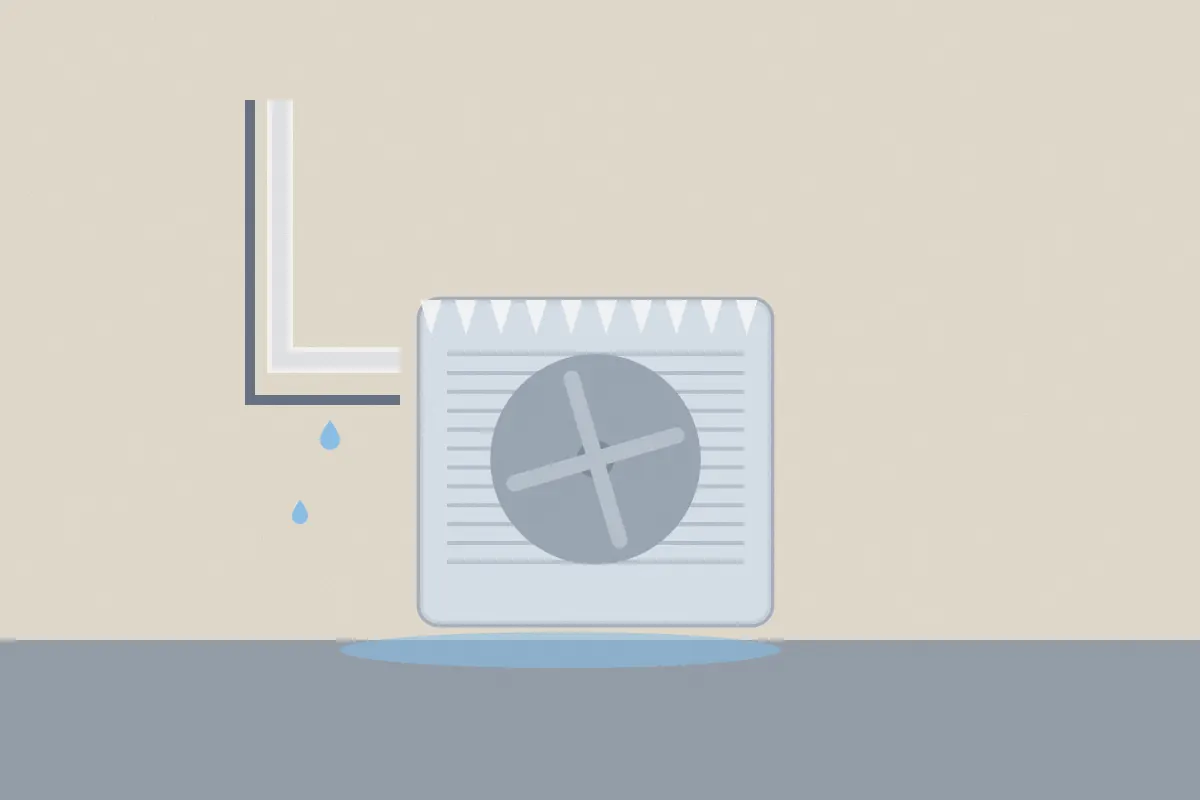
Step 2: Power
- Check the breakers for both the indoor unit and the outdoor unit. Reset a tripped breaker once.
- Check the outdoor disconnect, a switch or pull out block in a box near the condenser.
- Make sure the furnace or air handler service switch, which looks like a light switch, is on.
- Make sure the furnace door panel is closed. A safety switch stops the system when it is open.
If a breaker trips again right after resetting, leave it off and call a technician. Repeated tripping can mean an electrical fault.
Step 3: The condensate drain
Many systems have a float switch that shuts the AC off when the drain pan fills with water. If the pan is full, the drain line is probably clogged. Turn off the system, dry the pan and have the drain line cleared.
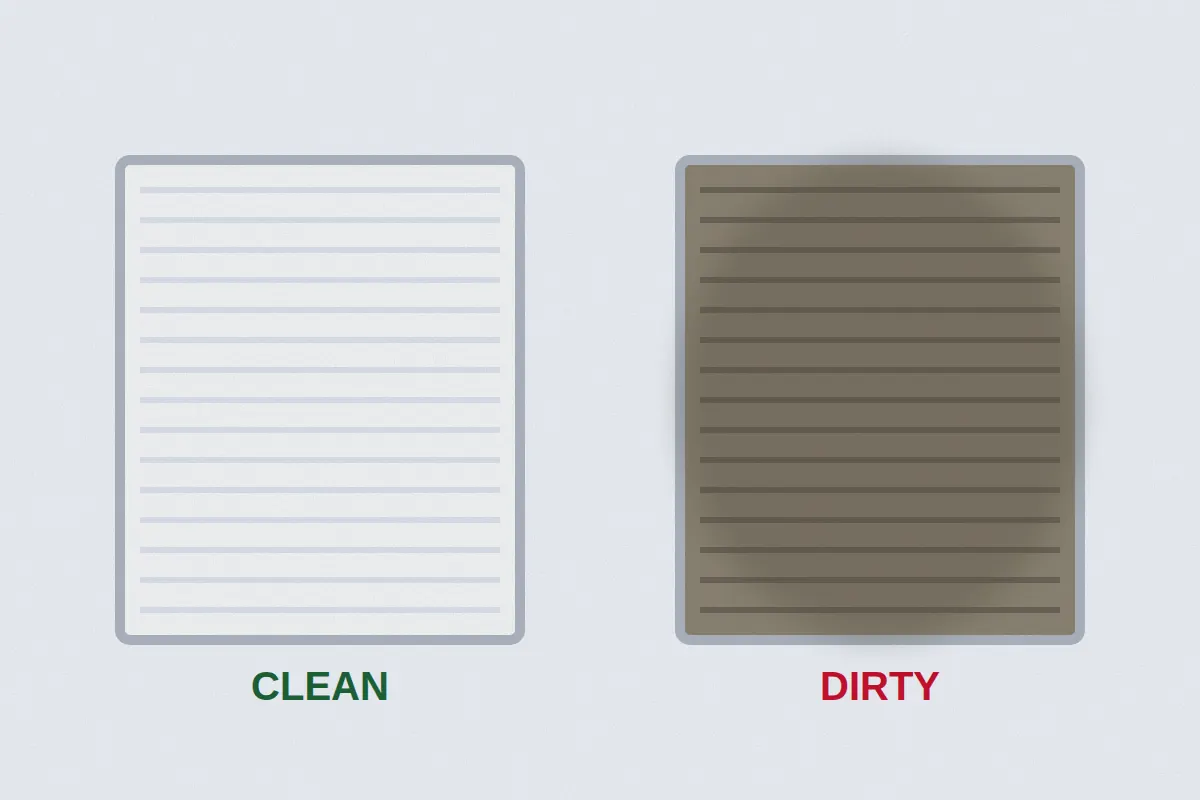
Step 4: Filter and ice
A very dirty filter can freeze the coil and trip safety controls. Replace the filter, and if you see ice, run only the fan until it thaws. Read why an AC freezes up.
Common reasons for an AC not turning on that need a technician
- Failed capacitor: the outdoor fan or compressor hums but will not start, common in heat waves
- Bad contactor: the switch that powers the outdoor unit
- Control board or transformer failure
- Low refrigerant: from a leak, which can trip pressure switches
- Compressor or fan motor failure
Read about AC repair.

Quick answers
Why won't my AC turn on?
Common causes are thermostat settings or batteries, tripped breakers, an off disconnect or service switch, a full drain pan or a failed capacitor.
Why is my outdoor AC unit not running?
Often a tripped breaker, the disconnect switch, a failed capacitor or contactor.
Can a clogged drain stop my AC?
Yes. A float switch shuts the system off when the drain pan fills.
Should I keep resetting the breaker?
No. Reset once. If it trips again, call a technician.
Who fixes an AC that will not turn on?
An HVAC technician. Sifixit can connect you with a local HVAC company.
Related
- AC repair
- Why is my AC freezing up?
- How often to change your air filter
- Heating and cooling near you
This guide covered ac not turning on. For more background, see ENERGY STAR’s heating and cooling advice, and if you need help, Sifixit can connect you with a local provider.
This guide is general information for homeowners, not professional, insurance or safety advice for your situation.
More helpful guides
- AC leaking water inside the houseWhy an air conditioner leaks water inside the house, what you can check yourself, and when to call...
- Furnace burning smell: when to worryWhy a furnace smells like burning when you first turn it on, which smells are normal, and which...
- Carbon monoxide safety at homeCarbon monoxide is a colorless, odorless gas from burning fuel.
- How often should you change your air filter?Most homes should change a standard 1 inch air filter every one to three months.
- Why is my AC freezing up? Causes and what to doAn AC usually freezes because too little warm air is flowing over the indoor coil, from a dirty...
- Heat pump vs furnace: which is better for your homeA heat pump heats and cools with electricity by moving heat, and is very efficient in mild and...