Short answer: Most homes should change a standard 1 inch air filter every one to three months. Change it monthly if you have pets, allergies, a lot of dust or you run the system constantly. Thicker 4 to 5 inch media filters often last six months to a year. When in doubt, look at it: if it is gray and clogged, change it.
The air filter is the simplest and least expensive part of your heating and cooling system, and one of the most important. If you are wondering how often should you change your air filter, the short answer above covers most homes. A clogged filter makes the system work harder, raises energy bills and can cause freezing, overheating and breakdowns.
How often to change it
- Standard 1 inch filter: every one to three months
- Homes with pets: every month or two
- Allergies or asthma: every month, with a higher efficiency filter your system can handle
- Dusty areas, construction or wildfire smoke: check monthly and change as needed
- 4 to 5 inch media filters: often every six to twelve months
- Vacation homes: once or twice a year may be enough
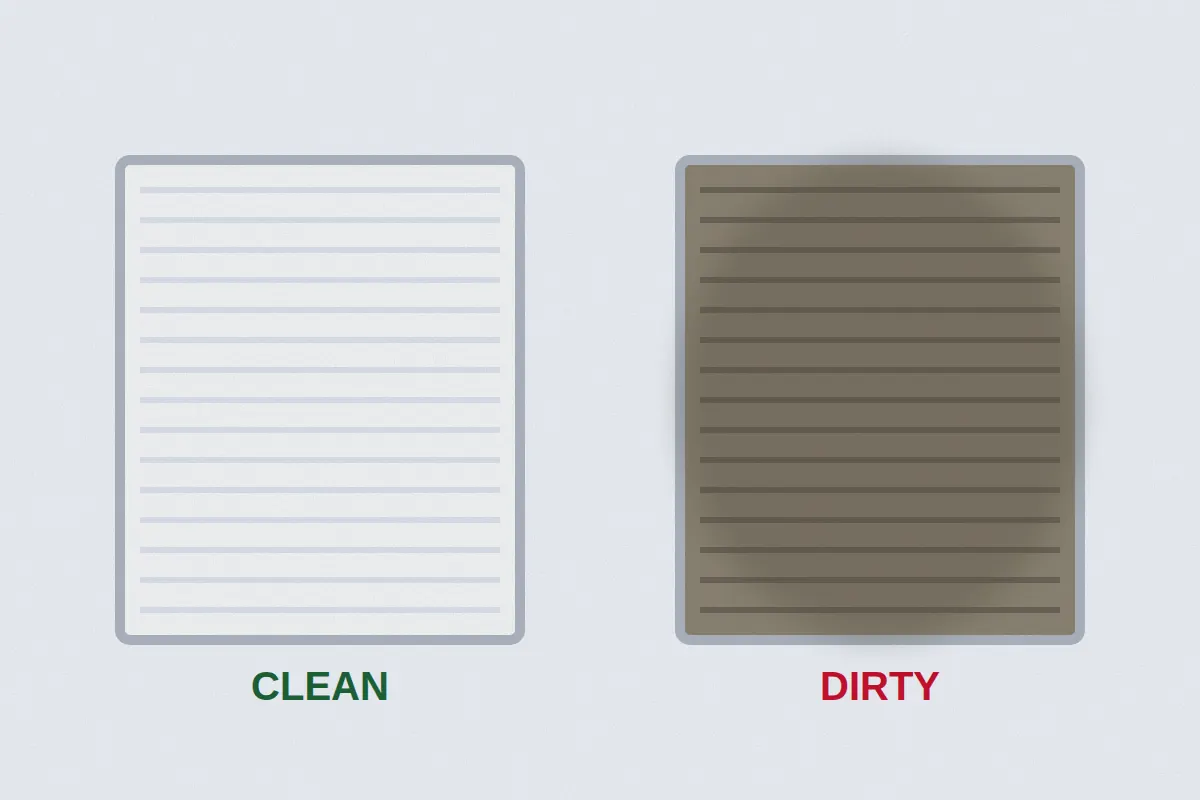
Signs your filter needs changing
- It looks gray, dusty or clogged
- Dust builds up quickly on furniture
- Airflow from vents feels weak
- The system runs longer than usual
- Energy bills rise
- The AC coil freezes or the furnace shuts off on high temperature
How to change an air filter
- Turn the system off at the thermostat.
- Find the filter, usually in a return grille in a wall or ceiling, or in a slot next to the furnace or air handler.
- Note the size printed on the old filter’s frame.
- Slide the old filter out.
- Insert the new filter with the airflow arrow pointing toward the furnace or air handler.
- Turn the system back on and write the date on the filter frame.
Other simple maintenance
- Vacuum return grilles when you change the filter
- Keep furniture and rugs off vents and returns
- If you have a washable filter, clean and dry it fully before putting it back
- Keep a few spare filters so you are never tempted to skip a change
- Set a phone reminder for your next change date
Which filter should you buy?
Filters are rated by MERV, from low to high efficiency. Many homes do well with MERV 8 to 11. Higher ratings trap smaller particles but also restrict airflow, and some systems are not designed for them. Ask your HVAC technician which rating your system can use, especially if someone at home has allergies.
Why it matters
- Better airflow and more even comfort
- Lower energy use
- Fewer breakdowns, frozen coils and overheating
- Cleaner air and less dust
- Longer equipment life
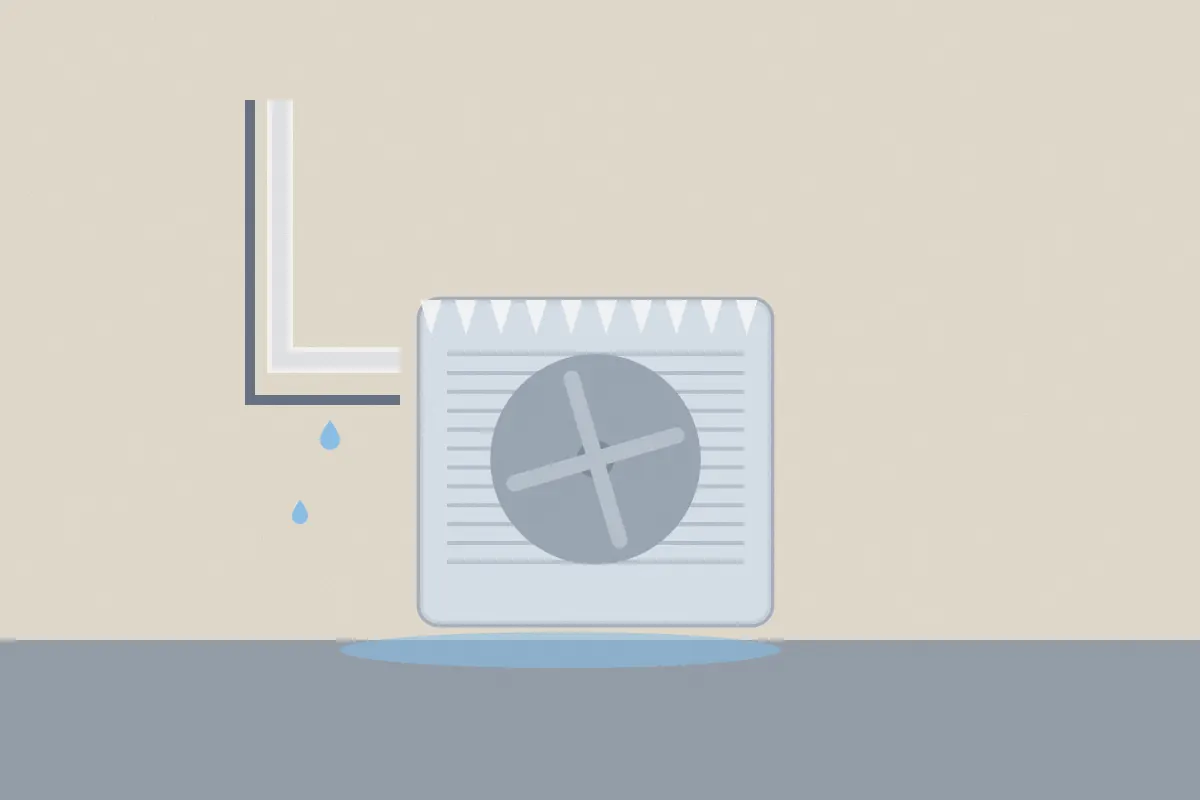
If changing the filter does not fix weak airflow or poor cooling, read why an AC freezes up or ask about AC repair.

Quick answers: how often should you change your air filter
How often should I change my air filter?
Usually every one to three months for a standard 1 inch filter, and monthly with pets, allergies or heavy dust.
What happens if I do not change my air filter?
The system works harder, bills rise, and it can freeze, overheat or break down.
Which way does the air filter go?
The arrow on the frame points toward the furnace or air handler, in the direction of airflow.
What MERV rating should I use?
Many homes do well with MERV 8 to 11. Ask a technician what your system can handle.
Who services heating and cooling systems?
An HVAC technician. Sifixit can connect you with a local HVAC company.
Related
This guide covered how often should you change your air filter. For more background, see ENERGY STAR’s heating and cooling advice, and if you need help, Sifixit can connect you with a local provider.
This guide is general information for homeowners, not professional, insurance or safety advice for your situation.
More helpful guides
- AC leaking water inside the houseWhy an air conditioner leaks water inside the house, what you can check yourself, and when to call...
- Furnace burning smell: when to worryWhy a furnace smells like burning when you first turn it on, which smells are normal, and which...
- Carbon monoxide safety at homeCarbon monoxide is a colorless, odorless gas from burning fuel.
- AC not turning on? What to check firstCheck the thermostat is set to cool, below room temperature and has working batteries.
- Why is my AC freezing up? Causes and what to doAn AC usually freezes because too little warm air is flowing over the indoor coil, from a dirty...
- Heat pump vs furnace: which is better for your homeA heat pump heats and cools with electricity by moving heat, and is very efficient in mild and...