Short answer: A heat pump heats and cools with electricity by moving heat, and is very efficient in mild and moderate climates. A furnace burns gas or uses electric heat to make heat, and delivers strong, steady warmth in very cold weather. Many homes in cold climates use both together, a setup called dual fuel.
When a furnace or air conditioner needs replacing, many homeowners wonder about switching to a heat pump. This guide compares heat pump vs furnace options on comfort, cost, climate and upkeep.
How they work
- Heat pump: works like an air conditioner in summer and runs in reverse in winter, moving heat from outdoor air into the home. It replaces both the AC and, in many homes, the furnace.
- Furnace: burns natural gas or propane, or uses electric heating elements, to heat air that is blown through the ducts. It is paired with a separate air conditioner for cooling.
Side by side
- Efficiency: heat pumps move heat rather than making it, so they can deliver more heat than the electricity they use. Gas furnaces convert fuel to heat, with modern units reaching high efficiency ratings.
- Cold weather: furnaces deliver strong heat in any cold. Modern cold climate heat pumps work well in freezing weather, though efficiency drops as it gets colder.
- Cooling: a heat pump also cools. A furnace needs a separate AC.
- Running cost: depends on local electricity and gas prices and your climate.
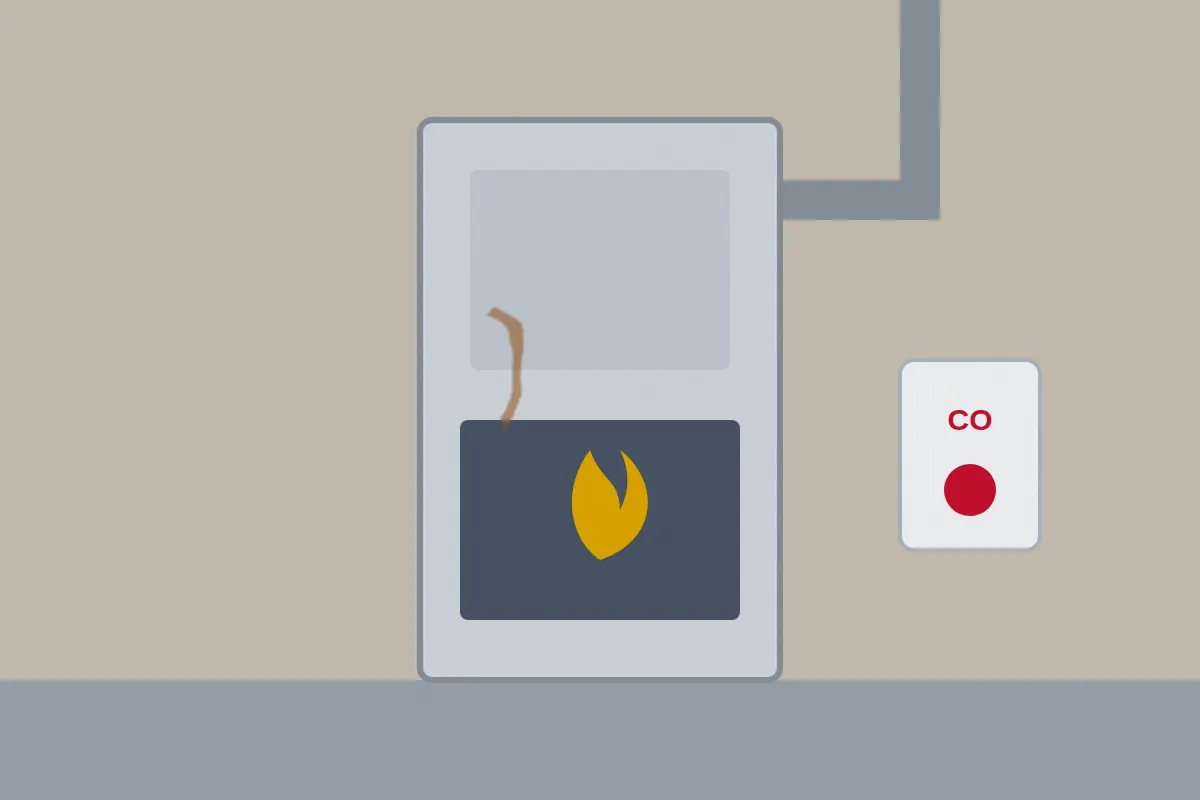
- Safety: heat pumps have no combustion, so no carbon monoxide from the heating system. Gas furnaces need carbon monoxide alarms and yearly checks.
When a heat pump makes sense
- You live in a mild or moderate climate
- Your AC and furnace are both old
- Gas is not available or is expensive where you live
- You want one system for heating and cooling
When a furnace makes sense
- You live where winters are long and very cold
- Natural gas is available and affordable
- Your AC is newer and does not need replacing
- You prefer very warm air from the vents
Dual fuel: using both
A dual fuel system pairs a heat pump with a gas furnace. The heat pump handles cooling and most heating, and the furnace takes over on the coldest days. It combines efficiency with strong heat in deep cold, and is common in colder states.
Things to check before choosing
- A proper load calculation to size the system
- The condition and size of your ductwork
- Your electrical panel capacity for a heat pump
- Installer experience with the system type
Read about AC replacement, furnace repair and heating and cooling.

Quick answers: heat pump vs furnace
Is a heat pump better than a furnace?
It is very efficient and also cools, especially in mild climates. A furnace delivers stronger heat in very cold weather.
Do heat pumps work in cold weather?
Modern cold climate heat pumps work in freezing weather, though efficiency drops as it gets colder. Many cold areas pair them with a furnace.
What is a dual fuel system?
A heat pump paired with a gas furnace, with the furnace taking over on the coldest days.
Does a heat pump cost less to run than a furnace?
It depends on local electricity and gas prices and your climate. An HVAC technician can compare them for your home.
Who installs heat pumps and furnaces?
A licensed HVAC company. Sifixit can connect you with a local HVAC technician.
Related
This guide covered heat pump vs furnace. For more background, see ENERGY STAR’s heating and cooling advice, and if you need help, Sifixit can connect you with a local provider.
This guide is general information for homeowners, not professional, insurance or safety advice for your situation.
More helpful guides
- AC leaking water inside the houseWhy an air conditioner leaks water inside the house, what you can check yourself, and when to call...
- Furnace burning smell: when to worryWhy a furnace smells like burning when you first turn it on, which smells are normal, and which...
- Carbon monoxide safety at homeCarbon monoxide is a colorless, odorless gas from burning fuel.
- AC not turning on? What to check firstCheck the thermostat is set to cool, below room temperature and has working batteries.
- How often should you change your air filter?Most homes should change a standard 1 inch air filter every one to three months.
- Why is my AC freezing up? Causes and what to doAn AC usually freezes because too little warm air is flowing over the indoor coil, from a dirty...