Short answer: In the first day, make sure everyone is safe, get the fire department’s all clear, call your insurer and secure the home. In the first week, document everything, arrange a place to stay and start cleanup before soot and water cause more damage. In the first month, work through your claim, your contents list and the repair plan.
A house fire turns life upside down. The days after are full of phone calls, forms and decisions, often while you are staying somewhere else. This checklist breaks what to do after a house fire into clear steps, so nothing important is missed.
The first 24 hours
- Make sure everyone is safe and get medical care for anyone hurt or exposed to smoke.
- Do not go back inside until the fire department says it is safe.
- Ask the fire department for a copy of the fire report, or how to get one.
- Call your insurance company, report the fire and write down the claim number.
- Ask your insurer about help with a place to stay, often called additional living expenses.
- Arrange an emergency board up and roof tarp to secure the home.
- Do not turn on power, gas or water until the utility or a professional says it is safe.
Smoke, soot and damaged structures can be dangerous even after the flames are out. Follow the fire department’s instructions about going back in.
The first 72 hours
- Photograph and video every room, inside and outside, before anything is moved or cleaned
- Retrieve medicines, glasses, documents and valuables if it is safe and allowed
- Tell your mortgage lender, since insurance checks for the building are often made out to both you and the lender
- Arrange mail forwarding and tell your employer, school and utilities
- Call a fire restoration company to remove water, soot and odor quickly
- Keep every receipt for hotels, meals, clothing and travel
Read about emergency board up and whether it is safe to stay in a house after a fire.
The first week
- Meet the insurance adjuster at the home, and walk through the damage together
- Start a room by room list of damaged belongings, with rough age and value
- Ask the restoration company which items can be cleaned and which cannot
- Throw away food, medicines and cosmetics exposed to heat, smoke or firefighting water
- Replace ID cards, bank cards and important documents that were lost
The first 30 days
- Review the restoration scope and the insurance estimate, and ask questions about anything unclear
- Choose contractors for repairs and check their licenses and insurance
- Keep a log of every call, email and meeting with your insurer and contractors
- Track your additional living expenses and submit receipts regularly
- Check that soot and odor cleanup is complete before walls are painted or closed
Questions to ask your insurance adjuster
- What does my policy cover for the building, contents and additional living expenses?
- What are the limits and deductibles?
- Do you need estimates from me, or will you use your own?
- How will payments be made, and will my mortgage lender be named on the check?
- Which items should I keep for you to see before I throw them away?
- What is the deadline for my contents list?
Keeping the property secure
An empty, damaged home is at risk from weather, animals and theft. Keep it boarded and tarped, remove valuables that are safe to move, tell neighbors you are away, and ask police for extra patrols if needed. Check the home regularly, or ask the restoration company to, and report any new damage to your insurer.
Documents to replace
- Driver’s license or state ID, through your state’s motor vehicle office
- Passport, through the U.S. Department of State
- Social Security card, through the Social Security Administration
- Birth, marriage and death certificates, through the vital records office of the state where they were issued
- Insurance policies, bank records and tax documents, through each company or agency
Looking after yourself and your family
A fire is a traumatic event. It is normal to feel shocked, anxious or exhausted. Lean on family and friends, keep routines for children where you can, and ask your doctor or local services for support if stress does not ease. The American Red Cross often helps families with immediate needs after home fires.
Quick answers: what to do after a house fire
What should I do first after a house fire?
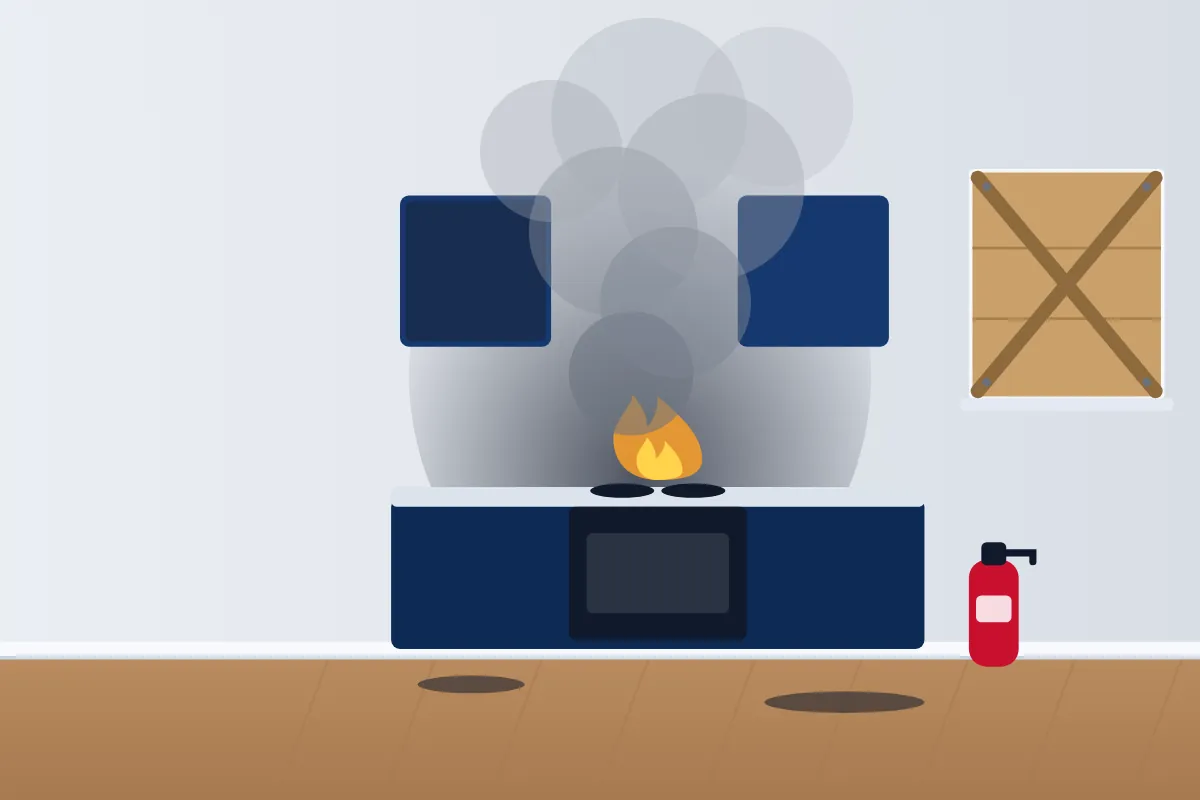
Make sure everyone is safe, wait for the fire department’s all clear, call your insurer and secure the home with a board up.
Should I clean up after a fire myself?
Light cleaning may be possible, but soot, smoke odor and firefighting water are best handled by a fire restoration company to avoid spreading damage.
Will insurance pay for a hotel after a fire?
Many homeowners policies include additional living expenses when the home cannot be lived in. Ask your insurer and keep receipts.
How long does it take to recover from a house fire?
Cleanup often takes weeks, and major repairs can take months, depending on the damage and the claim.
Who should I call for fire damage cleanup?
A fire damage restoration company that handles board up, water removal, soot and odor. Sifixit can connect you with a local provider.
Related
- Fire damage restoration near you
- Fire damage insurance claims
- Smoke damage cleanup
- Is it safe to stay after a fire?
This guide covered what to do after a house fire. For more background, see the National Fire Protection Association, and if you need help, Sifixit can connect you with a local provider.
This guide is general information for homeowners, not professional, insurance or safety advice for your situation.
More helpful guides
- Space heater safety: rules that prevent firesSimple rules for using space heaters safely, from the three foot rule to cords, outlets and sleeping.
- What to throw away after a house fireWhich food, medicine, cosmetics and household items to throw away after a fire, what can often be cleaned,...
- Repair or rebuild after a house fire: how the decision is madeThe decision depends on how much of the structure is damaged, whether the foundation and framing are sound,...
- Wildfire smoke damage in your home: what to doEven when a wildfire does not reach your home, smoke and ash can get inside, leaving odor, soot...
- Kitchen grease fire: what to do and what never to doTurn off the heat, then smother the flames by sliding a metal lid or baking sheet over the...
- How to prevent house fires: a room by room guideMost house fires start with cooking, heating equipment, electrical problems, smoking or candles.