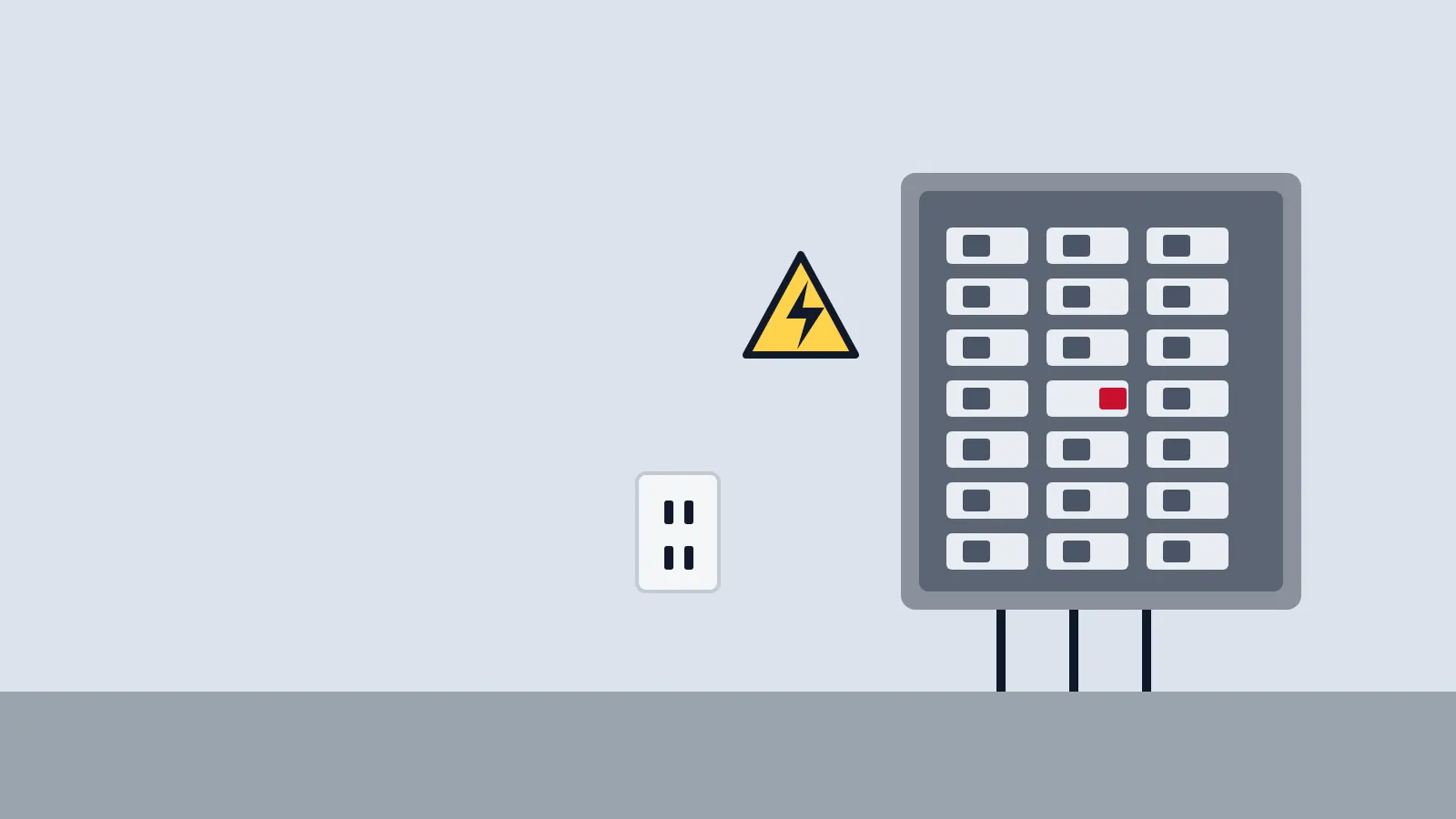
Wiring hides inside walls for decades, and in older homes it may no longer be safe or big enough for modern life. Rewiring replaces old or damaged wiring so the home can safely run today’s appliances, electronics and air conditioning.
Sifixit is a free referral service. Call the number on this page and you will be connected with an independent electrical provider where one serves your area. Calling costs nothing and you are never obliged to hire anyone.
Signs your home may need rewiring
These signs point to wiring that needs a closer look.
- The home is more than about 40 years old and has never been rewired
- Knob and tube or cloth covered wiring
- Two prong outlets with no ground
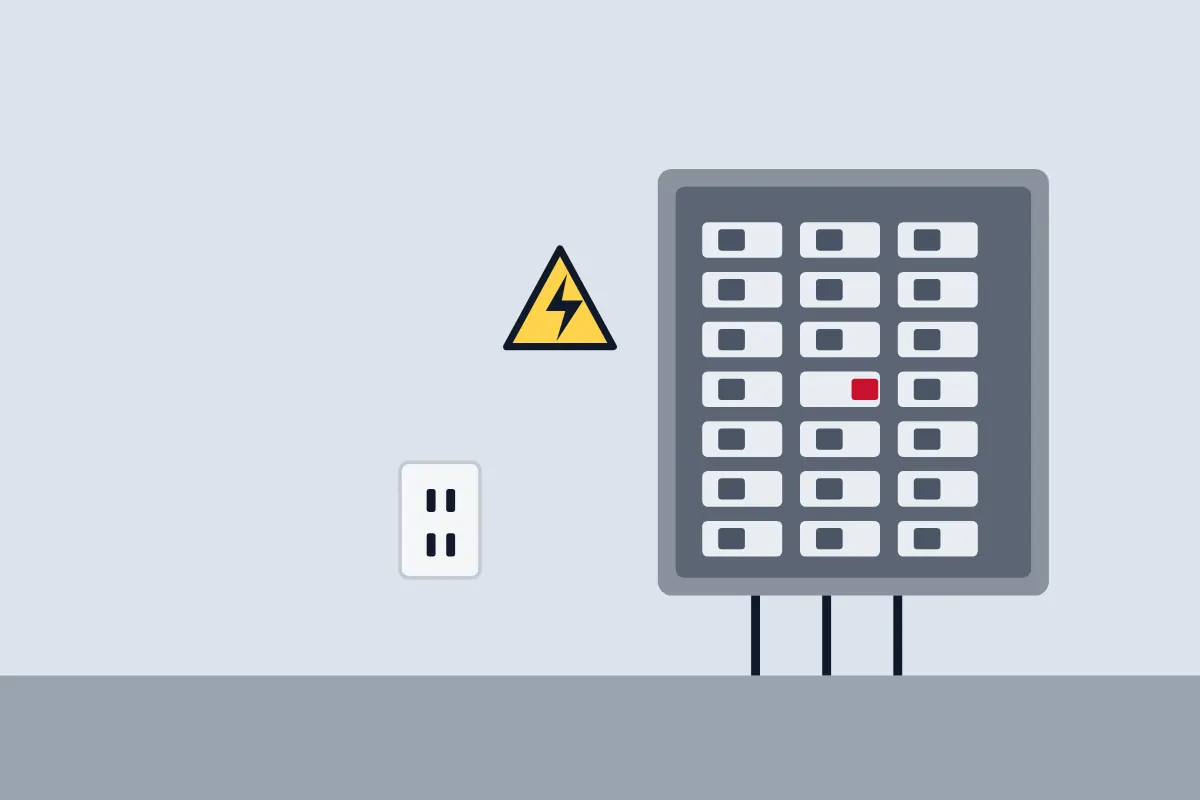
- Breakers that trip or fuses that blow often
- Flickering lights or warm switches and outlets
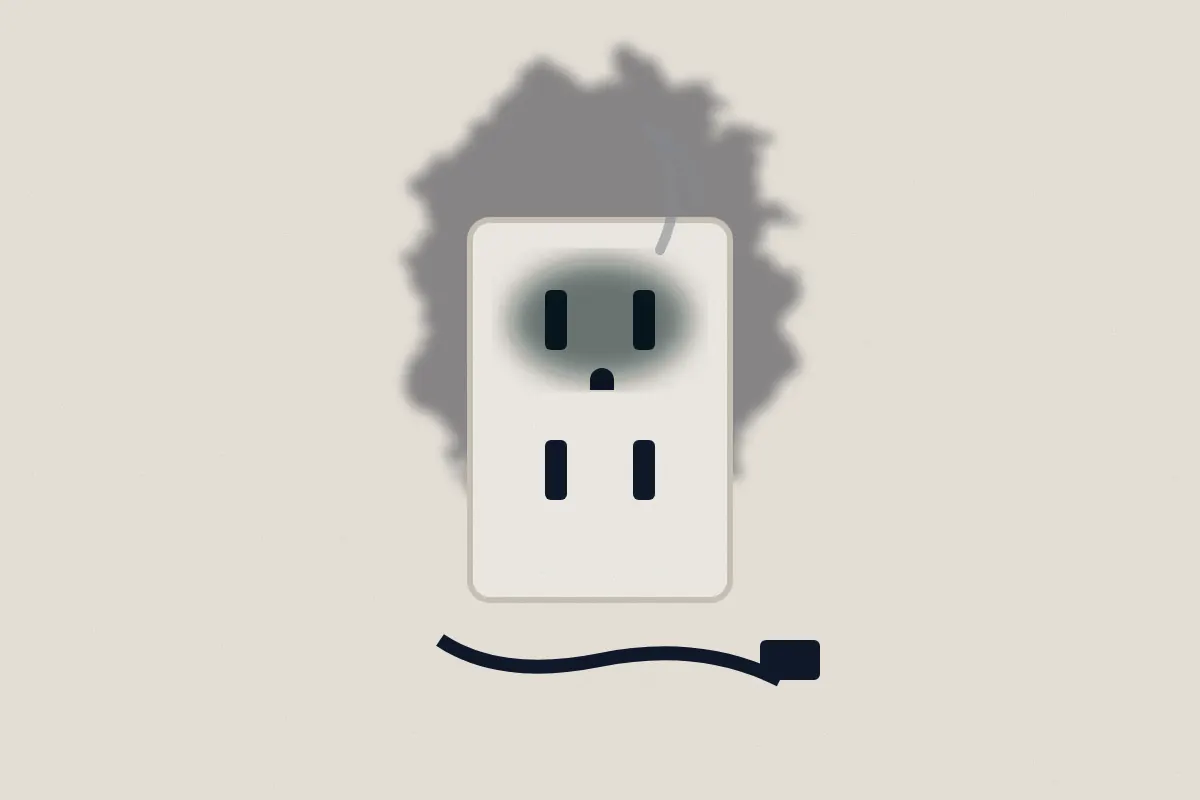
- Scorch marks or a burning smell
What to do right now
If you smell burning or see sparks or smoke, leave the home and call 911. If it is safe, switch off the main breaker.
- Stop using any outlet or switch that is warm, buzzing or scorched
- Avoid extension cords as permanent fixes
- Note which circuits trip and when
- Find out the age of the home and any past electrical work
- Ask your insurer whether your wiring affects your policy
- Call a licensed electrician
Wiring found in older homes
Knob and tube
Found in many homes built before the 1940s. No ground wire and not designed for modern loads.
Cloth covered wiring
Older insulation can crumble and expose wires.
Aluminum branch wiring
Used in some homes built in the mid 1960s to mid 1970s. Connections can overheat without the right repair methods.
Ungrounded circuits
Common in older homes and offer less protection from shocks.
How rewiring works
- The electrician inspects the wiring, panel and circuits.
- A plan and quote are agreed, room by room or for the whole home.
- A permit is pulled.
- New wiring is pulled through walls and ceilings, often through small openings.
- Outlets, switches and the panel are connected, and the work is inspected.
- Small wall openings are patched.
Planning a rewire
- Rewiring is a good time to add outlets, GFCI protection and AFCI protection
- Plan for circuits you may need later, such as a car charger
- Ask how many wall openings will be needed
- Some homes can be rewired while you live there
- Keep the inspection paperwork for insurance and resale
Questions to ask before you hire
- Does the whole house need rewiring, or just some circuits?
- How many wall openings will you need to make?
- Is the permit and inspection included?
- Will you upgrade the panel too?
- Are you licensed as an electrician in my state?
Frequently asked questions
How long does rewiring take?
It depends on the size of the home. Many homes take several days to a couple of weeks.
Can I stay home during rewiring?
Often, yes, though power will be off in parts of the home at times.
Is knob and tube wiring dangerous?
It is not automatically dangerous, but it has no ground, may be damaged and was not built for modern loads. Many insurers ask about it.
Do I need a permit to rewire?
Yes, in almost all areas, along with an inspection.
Learn more
Our main electrical guide covers the wider picture, including what affects the cost and when to call a professional.
Sifixit is a free referral service and does not provide home services. Calls may be answered by a partner call center or connected directly to independent local providers, who are solely responsible for their work, pricing, licensing and insurance.