Short answer: Start with patience and respect, not a surprise cleanout. Hoarding disorder is a recognized mental health condition, so the most lasting help combines support from a mental health professional with gradual, agreed cleanup. Deal with urgent safety risks first, and involve a trained hoarding cleanup team when the home is unsafe.
Watching someone you care about live in a cluttered, unsafe home is painful. It is natural to want to clear it all at once. But forced cleanouts often cause great distress and the clutter usually returns. This guide explains how to help someone with hoarding in a way that is more likely to last.
Understanding hoarding disorder
Hoarding disorder is recognized by mental health professionals as a condition in which a person has persistent difficulty discarding possessions, whatever their value, and feels strong distress at the thought of getting rid of them. Over time, living spaces fill up until rooms cannot be used for their purpose. It is not laziness or a choice, and it often comes with anxiety, depression or past loss.
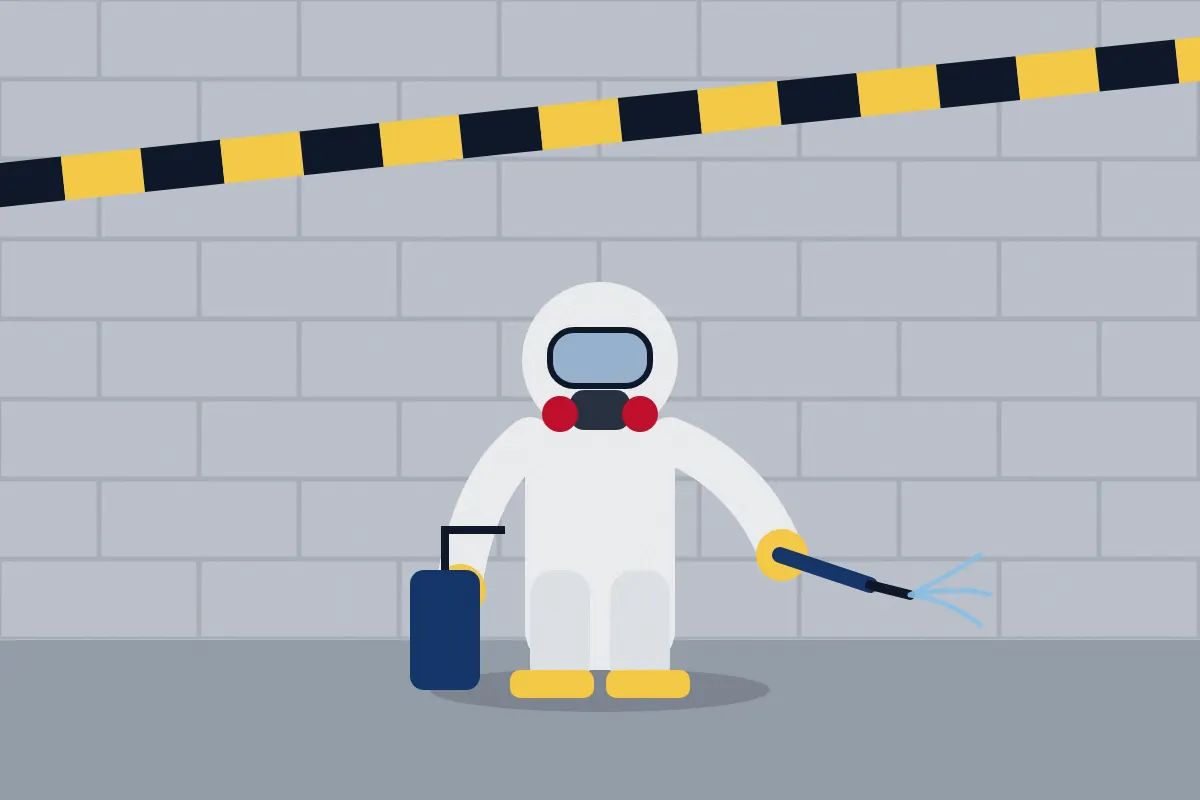
Safety risks in hoarded homes
- Fire risk from blocked exits, piles near heaters and overloaded outlets
- Trip and fall hazards, especially for older adults
- Mold, pests and animal waste
- Structural stress from heavy piles
- Blocked access for emergency responders
If there is an immediate danger, such as a fire hazard, no working heat in winter or a person who is unwell, contact local emergency services or adult protective services.
How to start the conversation
- Talk privately and calmly, without judgment
- Focus on safety and the person’s own goals, such as using the kitchen again
- Avoid words like junk or trash about their belongings
- Ask permission before touching or moving anything
- Accept small steps, such as clearing one path or one room
Getting professional help
A therapist experienced in hoarding disorder, often using cognitive behavioral therapy, can help the person understand and change their habits. Some communities have hoarding task forces that bring together health, fire and social services. A doctor can also check for related health problems.
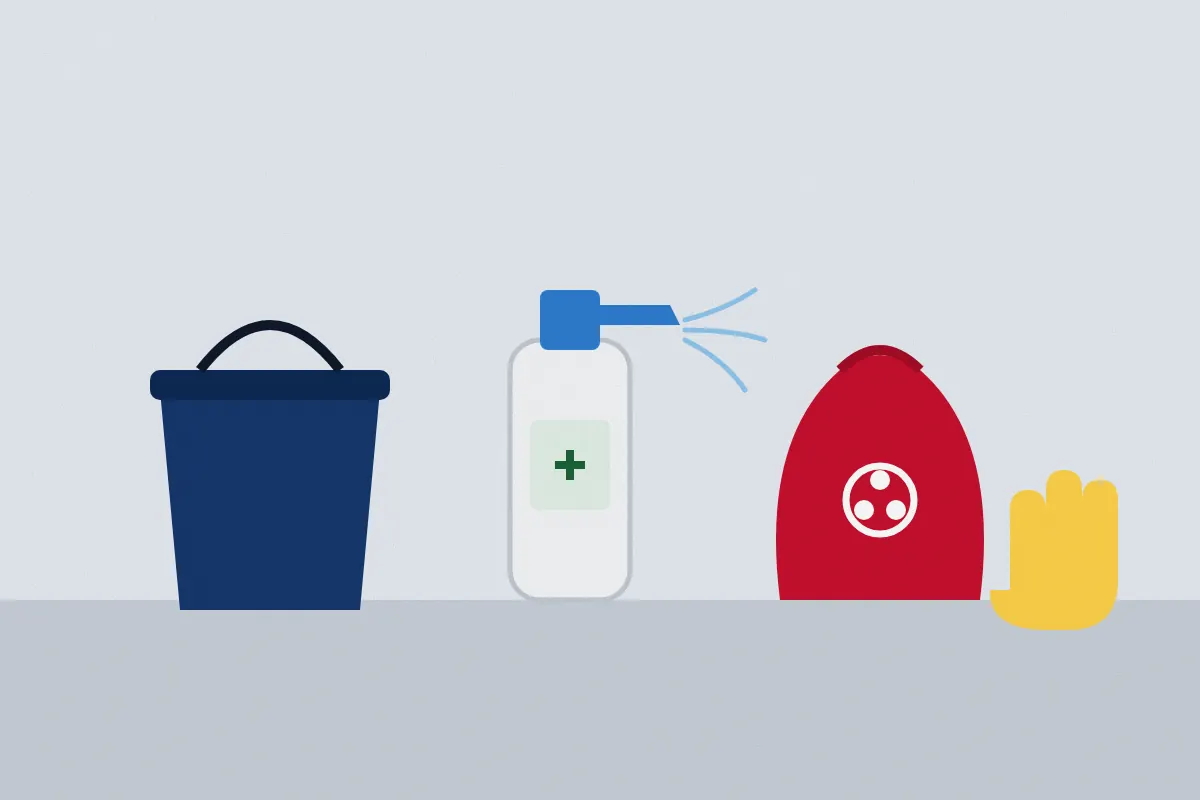
How hoarding cleanup works
A trained hoarding cleanup team works with the person and the family, not around them. They sort items with the person, remove trash and hazardous materials, deal with mold, pests and animal waste, clean and disinfect, and move at a pace the person can handle. Read about hoarding cleanup.
What not to do
- Do not throw things away behind the person’s back
- Do not shame, argue or make threats
- Do not focus only on the stuff, ignoring the person
- Do not expect one big cleanout to solve the problem
- Do not try to handle dangerous waste, mold or animal waste without protection
Support for family members
Helping someone with hoarding disorder can be exhausting. Family members often feel frustrated, sad or guilty. Support groups, online communities and a counselor can help you look after your own wellbeing while you support your loved one.
After the cleanup
- Keep up regular, friendly visits
- Continue therapy or support groups
- Set simple routines for mail, shopping and trash
- Celebrate progress, even small steps
- Expect setbacks, and respond with patience
Quick answers: how to help someone with hoarding
How can I help someone who hoards?
Be patient and respectful, focus on safety and their goals, encourage professional support and use gradual, agreed cleanup.
Is hoarding a mental illness?
Hoarding disorder is recognized by mental health professionals as a condition, often linked with anxiety or depression.
Should I clean out a hoarder's house without them?
Usually not. Forced cleanouts cause distress and the clutter often returns. Work with the person where possible.
Does insurance cover hoarding cleanup?
Usually not, because it builds up over time. Some damage caused by it may be reviewed case by case.
Who does hoarding cleanup?
A trained hoarding or biohazard cleanup team. Sifixit can connect you with a local provider.
Related
- Hoarding cleanup
- Biohazard cleanup near you
- Rodent droppings cleanup
- Who pays for biohazard cleanup?
This guide covered how to help someone with hoarding. For more background, see OSHA’s bloodborne pathogens guidance, and if you need help, Sifixit can connect you with a local provider.
This guide is general information for homeowners, not professional, insurance or safety advice for your situation.
More helpful guides
- Animal waste and urine cleanup in homesSmall pet accidents can be cleaned with enzyme cleaners.
- Toilet overflow: how to stop it and clean up safelyStop the water first: lift the float or take off the tank lid and push the flapper down,...
- How to clean up rodent droppings safelyDo not sweep or vacuum rodent droppings, which can put virus particles into the air.
- What happens after an unattended death at homeCall 911 first.
- Who pays for biohazard cleanup?Usually the property owner is responsible, but homeowners or renters insurance often pays when the cleanup follows a...
- What causes a sewer backup, and how to prevent oneSewer backups are usually caused by blockages from grease, wipes and tree roots, by old or broken sewer...