Short answer: Do not sweep or vacuum rodent droppings, which can put virus particles into the air. The CDC advises airing out the area, wearing gloves, soaking droppings and urine with a disinfectant or a bleach solution for about five minutes, wiping them up with paper towels, and bagging everything for the trash. Large infestations and nests are best left to professionals.
Mice and rats leave droppings, urine and nesting material in attics, garages, cabinets and crawl spaces. Rodent droppings can carry diseases, including hantavirus in some parts of the country. This guide explains how to clean up rodent droppings the right way, so you protect your family.
Why rodent droppings are a health risk
Rodent urine, droppings and nests can carry bacteria and viruses. Hantavirus, carried mainly by deer mice in parts of the US, can spread when dried droppings or urine are stirred up and breathed in. It is rare, but it can cause a serious illness called hantavirus pulmonary syndrome. That is why the CDC warns against sweeping or vacuuming droppings.
Do not sweep, vacuum or dry dust rodent droppings. It can put virus particles into the air.
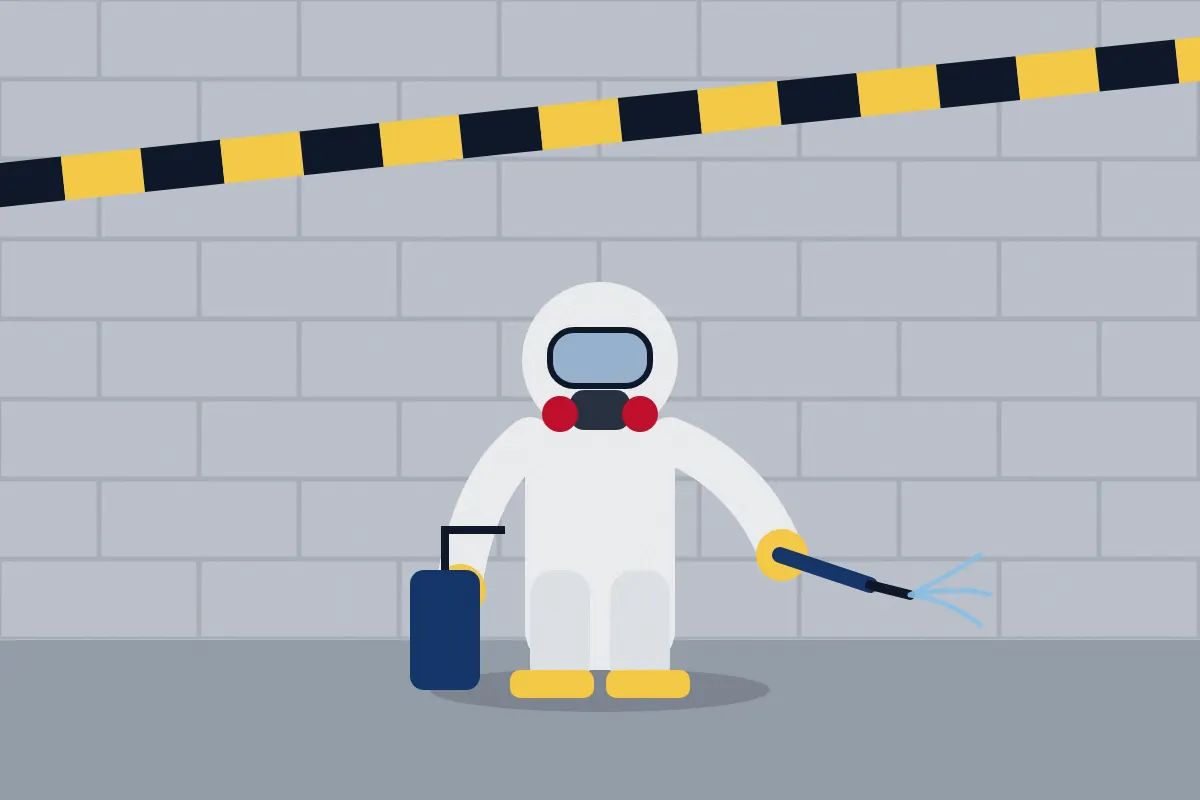
How to clean up droppings, step by step
These steps follow CDC guidance for cleaning up after rodents.
- Air out the area for at least 30 minutes by opening doors and windows, and leave during that time.
- Put on rubber, latex or nitrile gloves.
- Spray droppings, urine and nesting material with a household disinfectant or a bleach solution of 1 part bleach to 10 parts water, until thoroughly soaked.
- Let it soak for about 5 minutes.
- Wipe up with paper towels and put them in a garbage bag.
- Mop or wipe the area with disinfectant.
- Seal the bag, put it in a second bag and put it in a covered trash can.
- Disinfect your gloves before taking them off, then wash your hands well with soap and water.
Signs of rodents in the house
- Droppings in cabinets, drawers, along walls or in the attic
- Gnawed food packaging, wires or wood
- Scratching or scurrying sounds in walls or ceilings, often at night
- Nests of shredded paper, fabric or insulation
- A musky smell in enclosed spaces
Removing a dead rodent
The CDC advises wearing gloves, spraying the dead rodent and the area around it with disinfectant or a bleach solution, letting it soak, then picking it up with a paper towel or a bag turned inside out. Seal it in a bag, place it in a second bag, and put it in a covered trash can. Disinfect the area and your gloves, then wash your hands.
Contaminated items
- Wash bedding and clothes that were in contact with droppings in hot water with detergent
- Steam clean or shampoo carpets and upholstery that were soiled
- Throw away food or packaging rodents reached
- Replace insulation that is heavily soiled with urine and droppings
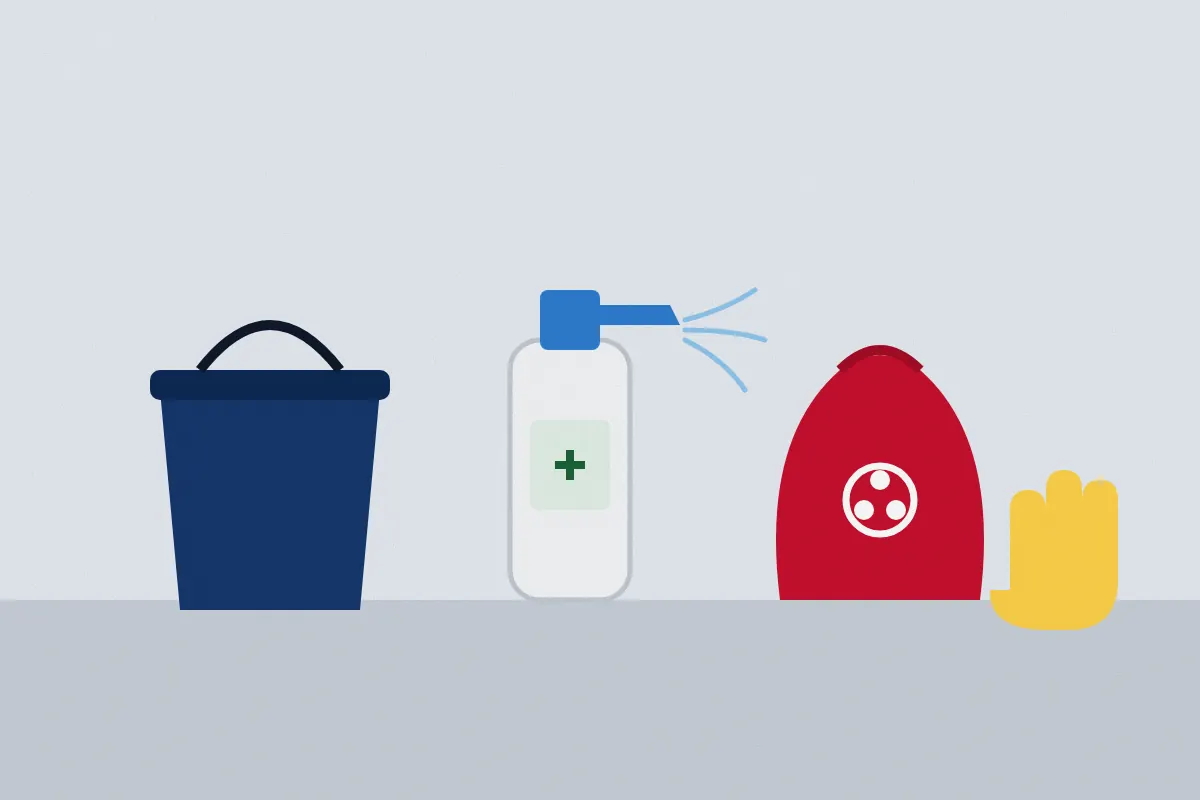
When to call a professional
- Large amounts of droppings, or droppings in many areas
- Nests in attics, insulation or wall cavities
- A dead rodent odor you cannot find
- Anyone at home is pregnant, older or has a weakened immune system
- The area is enclosed and hard to ventilate, such as a crawl space
A biohazard cleanup company can remove contaminated insulation and disinfect. To stop rodents returning, a pest control company can remove them and seal entry points.
Keeping rodents out
- Seal gaps around pipes, vents and doors with steel wool and caulk
- Store food, including pet food, in sealed containers
- Keep firewood and clutter away from the house
- Trim plants and branches away from walls and the roof
Quick answers: how to clean up rodent droppings
How do I clean up mouse droppings safely?
Air out the area, wear gloves, soak droppings with disinfectant or a 1 to 10 bleach solution for 5 minutes, wipe with paper towels and bag everything.
Can I vacuum mouse droppings?
No. Sweeping or vacuuming can put virus particles into the air. Wet cleaning is safer.
Are rodent droppings dangerous?
They can carry diseases, including hantavirus in some areas, so they should be cleaned carefully.
What do I do with insulation full of droppings?
Heavily soiled insulation is usually removed and replaced by professionals.
Who cleans up rodent droppings?
A biohazard cleanup company for large contamination, and pest control to remove rodents. Sifixit can connect you with local providers.
Related
This guide covered how to clean up rodent droppings. For more background, see OSHA’s bloodborne pathogens guidance, and if you need help, Sifixit can connect you with a local provider.
This guide is general information for homeowners, not professional, insurance or safety advice for your situation.
More helpful guides
- Animal waste and urine cleanup in homesSmall pet accidents can be cleaned with enzyme cleaners.
- Toilet overflow: how to stop it and clean up safelyStop the water first: lift the float or take off the tank lid and push the flapper down,...
- How to help someone with hoarding disorderStart with patience and respect, not a surprise cleanout.
- What happens after an unattended death at homeCall 911 first.
- Who pays for biohazard cleanup?Usually the property owner is responsible, but homeowners or renters insurance often pays when the cleanup follows a...
- What causes a sewer backup, and how to prevent oneSewer backups are usually caused by blockages from grease, wipes and tree roots, by old or broken sewer...