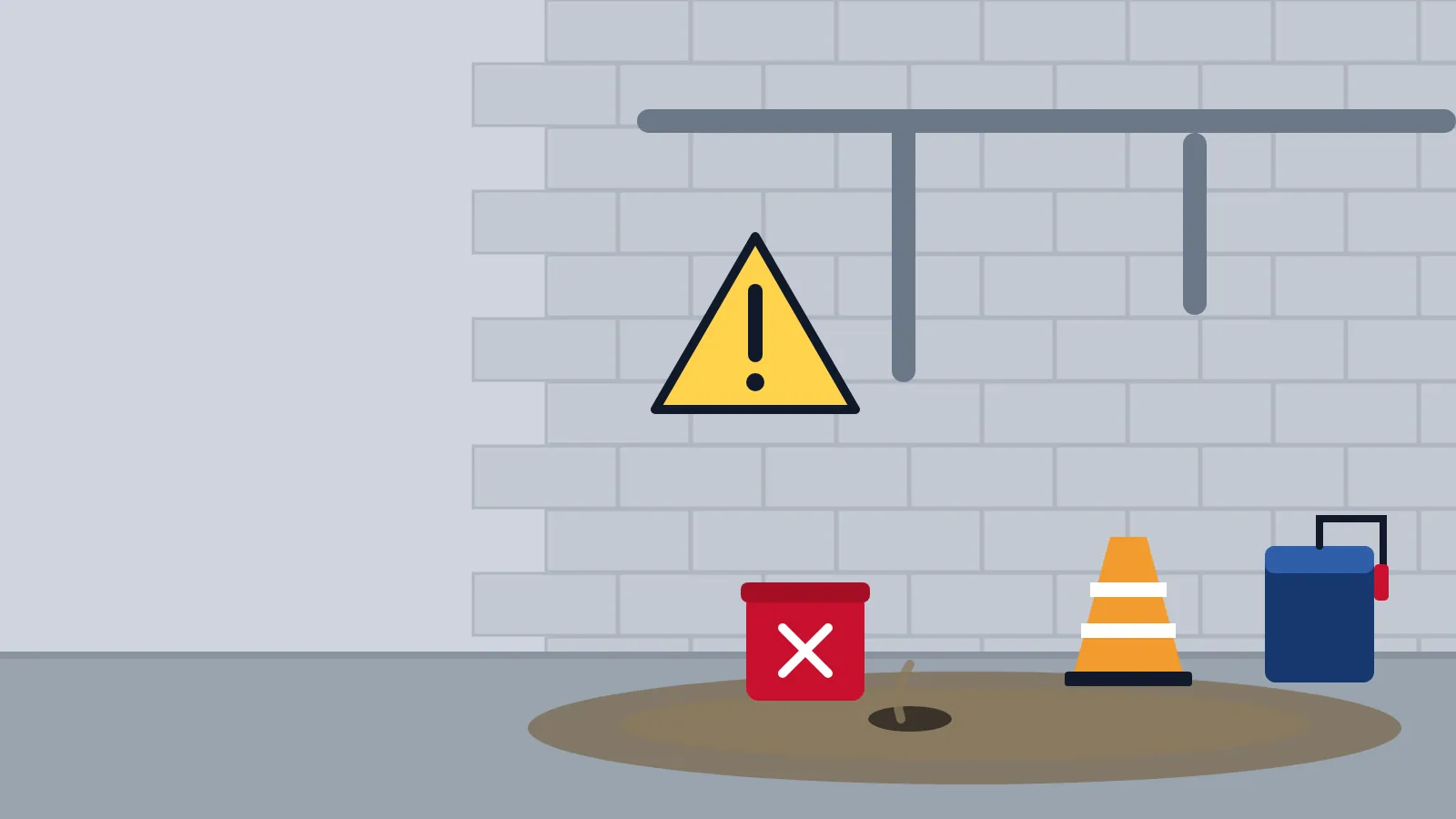
Hoarding cleanup is about more than removing things. Homes affected by hoarding can hide mold, pests, spoiled food, blocked exits and sharp objects, and the person who lives there often has deep feelings about what is being moved. Good cleanup is safe, respectful and done at a pace the person and family can manage.
Sifixit is a free referral service. Call the number on this page and you will be connected with an independent biohazard cleanup provider where one serves your area. Calling costs nothing and you are never obliged to hire anyone.
Signs a home needs hoarding cleanup
These signs suggest the home has become unsafe or hard to live in.
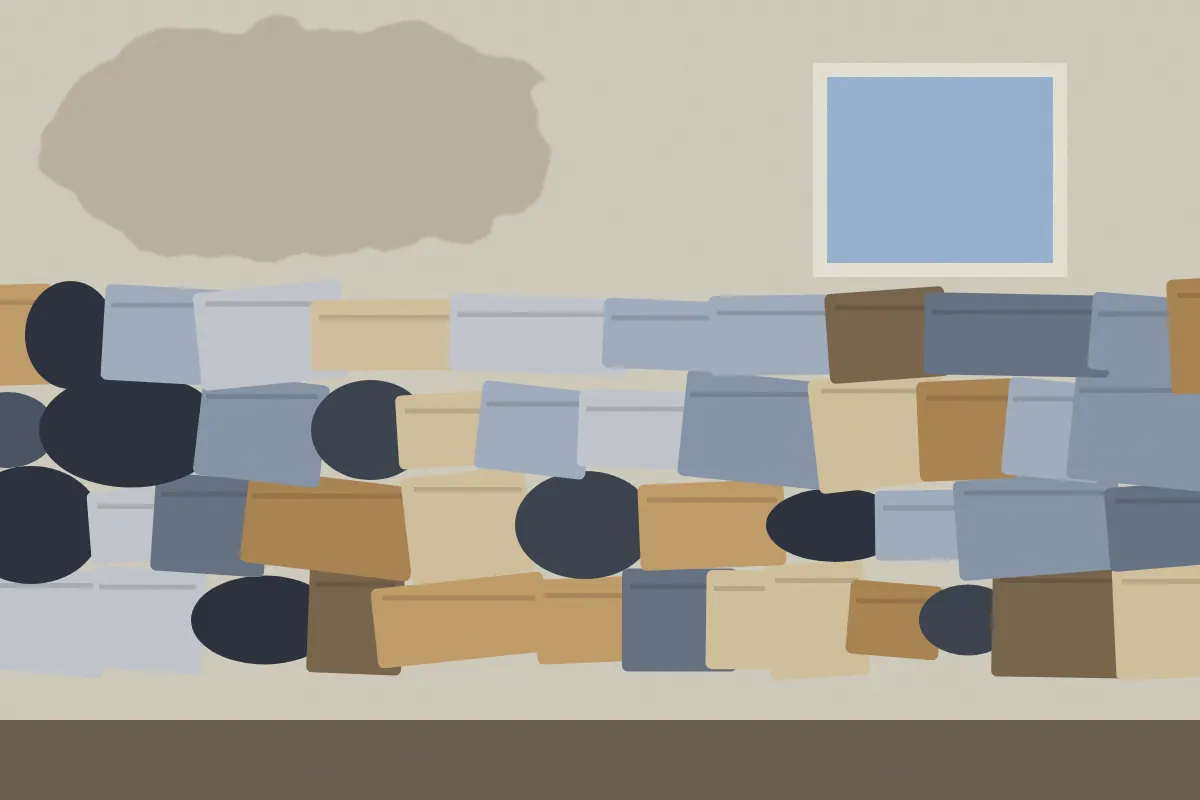
- Rooms that can no longer be used for their purpose
- Blocked doors, hallways or windows
- Strong smells from spoiled food, waste or animals
- Signs of pests such as droppings or nests
- Mold, water leaks or damage hidden under items
- Stacks that could fall or place heavy loads on floors
What to do right now
If someone in the home is hurt, trapped or in danger, call 911. If an older adult or a person with a disability is living in unsafe conditions, your local adult protective services can help.
- Talk with the person who lives there before anything is moved, if you can.
- Do not throw things away without their agreement, which often makes things harder.
- Keep exits and hallways as clear as possible for safety.
- Watch for needles, broken glass and other sharp objects.
- Wear gloves and a mask if you must handle anything.
- Call a provider experienced in hoarding cleanup.
What cleanup involves
Sorting
Items are sorted into keep, donate and discard, ideally with the person who owns them.
Safe removal
Waste and unwanted items are removed and disposed of, with sharp objects and hazards handled carefully.
Cleaning and disinfection
Once rooms are clear, surfaces are cleaned and disinfected, and odors are treated.
Repairs
Hidden damage, such as leaks, mold or pest damage, is found and can then be repaired.
How a professional handles hoarding cleanup
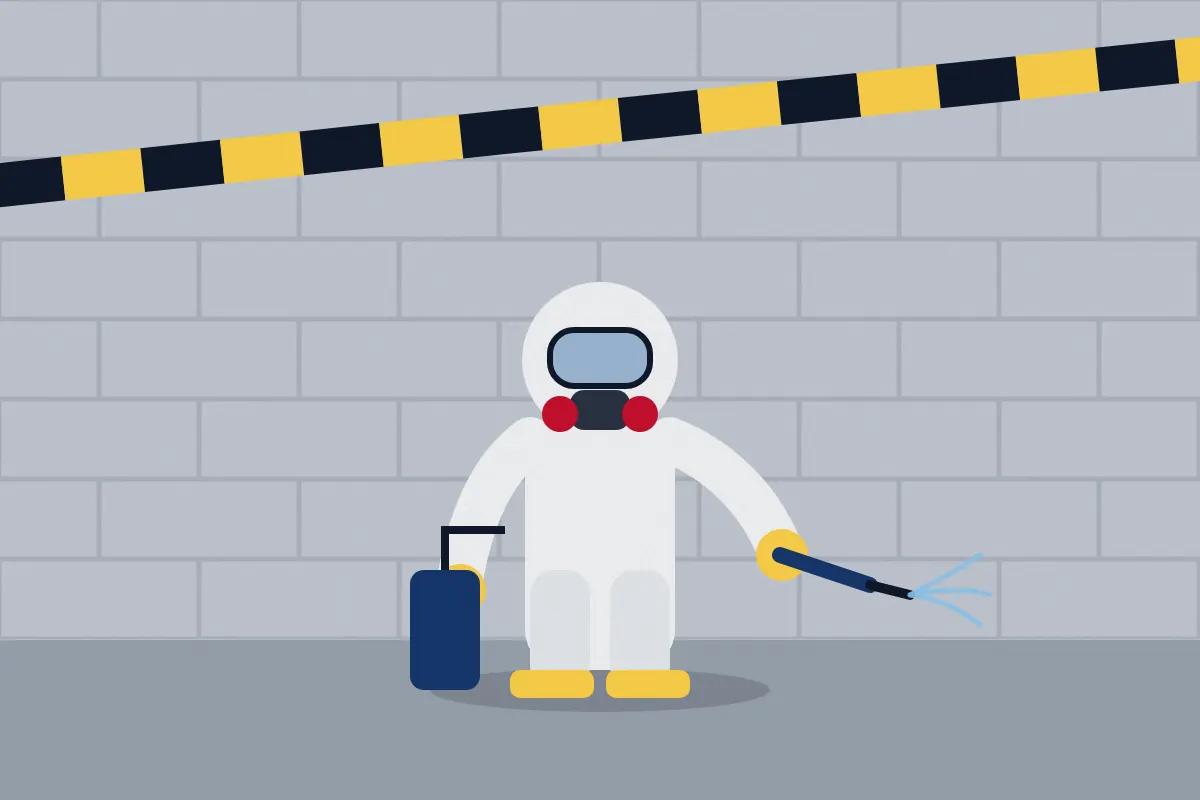
- The provider visits to understand the home, the hazards and what the person wants to keep.
- A plan and timeline are agreed, often room by room.
- Workers use protective equipment and sort items carefully.
- Waste is removed and disposed of properly.
- The home is cleaned, disinfected and deodorized.
- The provider points out repairs needed, such as leaks or mold.
Support for the person
- Hoarding disorder is a recognized mental health condition, not a character flaw
- Cleanup alone rarely solves the problem, so ongoing support matters
- A therapist experienced in hoarding can help prevent the home filling up again
- The International OCD Foundation has information and support for people who hoard and their families
- Be patient, and include the person in decisions wherever possible
Questions to ask before you hire
- How do you involve the homeowner in decisions?
- How do you handle sentimental items, documents and valuables?
- What protective equipment do your workers use?
- How do you dispose of waste and donate usable items?
- Can you work room by room at a pace we agree?
Frequently asked questions
How long does hoarding cleanup take?
It depends on the size of the home and how much is inside. Some jobs take a day or two, while larger ones take a week or more, often done in stages.
Will the person have a say in what is kept?
With a good provider, yes. Involving the person in decisions is kinder and usually makes the result last longer.
Does insurance cover hoarding cleanup?
Usually not for the clutter itself. Insurance may help with sudden damage found during cleanup, such as a burst pipe. Check your policy.
Is hoarding cleanup done discreetly?
Many providers understand these are private situations. If discretion matters to you, ask about it on the first call.
Learn more
Our main biohazard cleanup guide covers the wider picture, including what affects the cost and when to call a professional.
Sifixit is a free referral service and does not provide home services. Calls may be answered by a partner call center or connected directly to independent local providers, who are solely responsible for their work, pricing, licensing and insurance.