Short answer: Ice dams form when heat escaping into the attic melts snow on the roof, and the water refreezes at the colder roof edge and gutters. The trapped water backs up under shingles and leaks into ceilings and walls. The lasting fix is keeping the attic cold with air sealing, insulation and ventilation, not just clearing the gutters.
In cold, snowy climates, thick ridges of ice along the roof edge and icicles hanging from gutters are a common sight. They look harmless, but ice dams cause many winter leaks. This guide explains what causes them and how to prevent ice dams.
How ice dams form
- Warm air from the house leaks into the attic.
- The warm attic heats the roof and melts snow on the upper roof.
- Meltwater runs down to the roof edge, which is colder because it hangs past the warm walls.
- The water refreezes at the edge and in the gutters, building a dam of ice.
- More meltwater pools behind the dam and backs up under the shingles.

Signs of ice dams
- A thick ridge of ice along the roof edge
- Large icicles hanging from gutters
- Water stains or drips on ceilings near outside walls
- Wet or frosty attic insulation
- Peeling paint on outside walls below the eaves
How to prevent ice dams
- Air seal the attic floor: close gaps around light fixtures, pipes, vents, chimneys and the attic hatch, where warm air leaks up.
- Add insulation: bring attic insulation up to the level recommended for your climate.
- Ventilate the attic: soffit and ridge vents keep the roof deck cold.
- Check bathroom and kitchen fans: make sure they vent outside, not into the attic.
- Install ice and water shield: a waterproof underlayment along the eaves, often required by code in cold areas, when the roof is replaced.
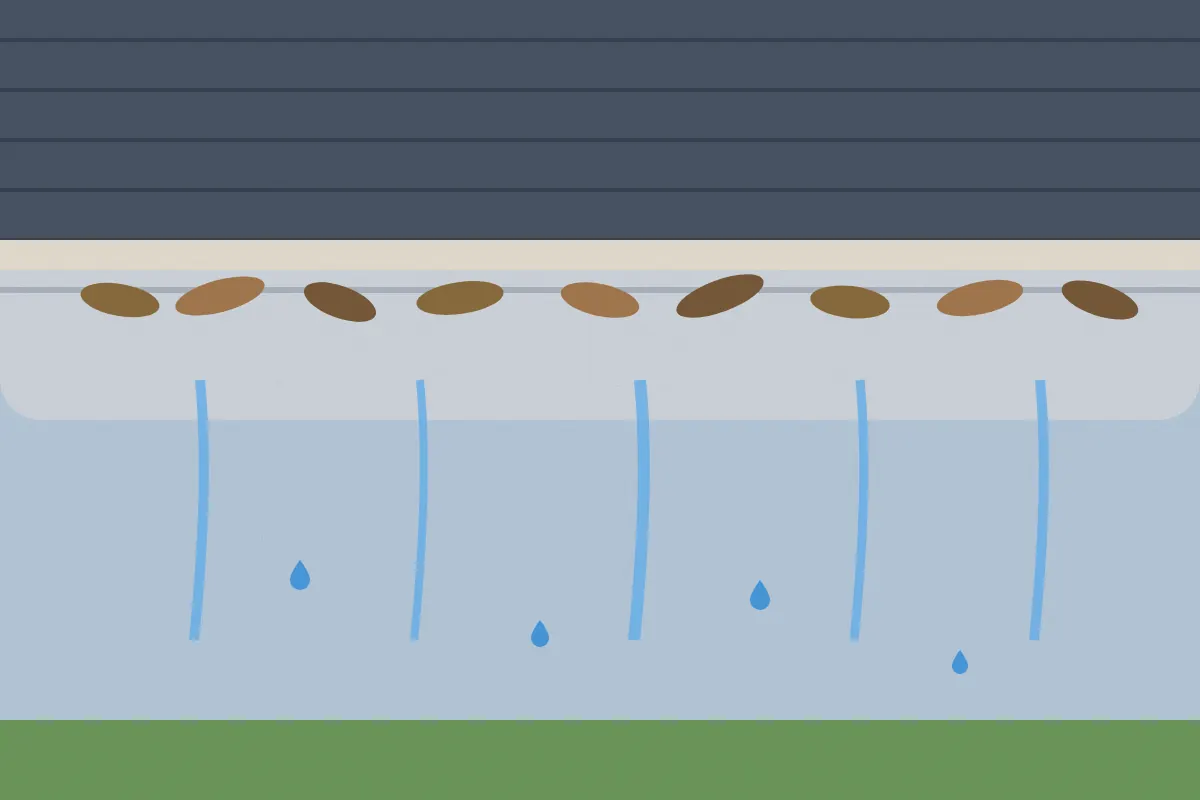
What to do when you have an ice dam
- Use a roof rake from the ground to pull snow off the lower few feet of the roof after storms
- Do not climb onto an icy roof or chip ice with tools, which damages shingles and is dangerous
- A roofer or ice dam removal service can steam ice off safely
- Catch drips inside and move belongings away
- Have the attic checked once the weather clears
Never climb onto an icy roof. Falls from roofs and ladders in winter cause serious injuries.
Attic insulation and ventilation basics
Most ice dams start with warm air leaking into the attic, not with too little insulation. That is why air sealing comes first: gaps around recessed lights, bathroom fans, pipes, wiring, chimneys and the attic hatch let warm, moist air rise. Once sealed, insulation keeps the heat below, and soffit and ridge vents flush cold outside air under the roof deck. An energy auditor or insulation contractor can find the leaks with a blower door test.
Do heated cables help?
Heat cables along the roof edge and in gutters can create channels for meltwater, but they use electricity and do not fix the cause. They can be useful on problem areas where air sealing and insulation are difficult.
Gutters and ice dams
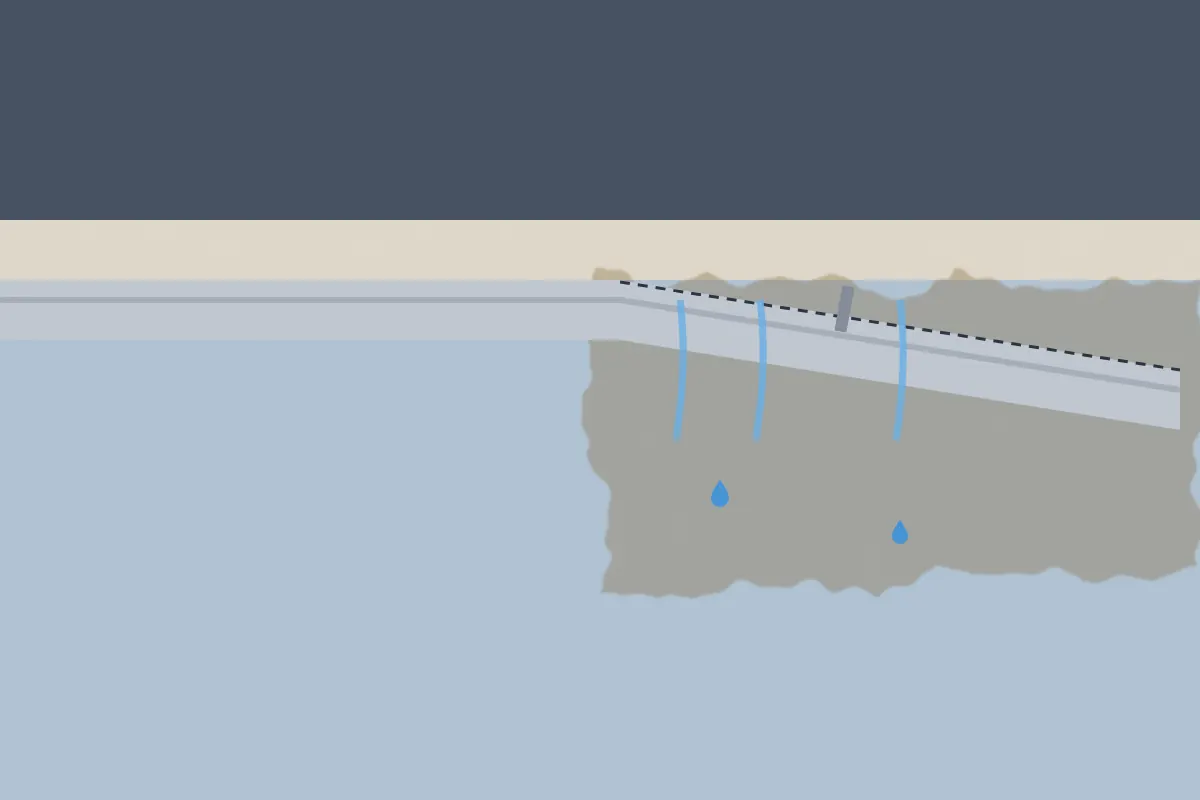
Clean gutters drain better, but gutters themselves do not cause ice dams, and removing them does not fix the problem. Heavy ice can pull gutters loose, so check hangers after winter. Read about gutter repair, roof repair and our guide to finding a roof leak.
Quick answers
What causes ice dams?
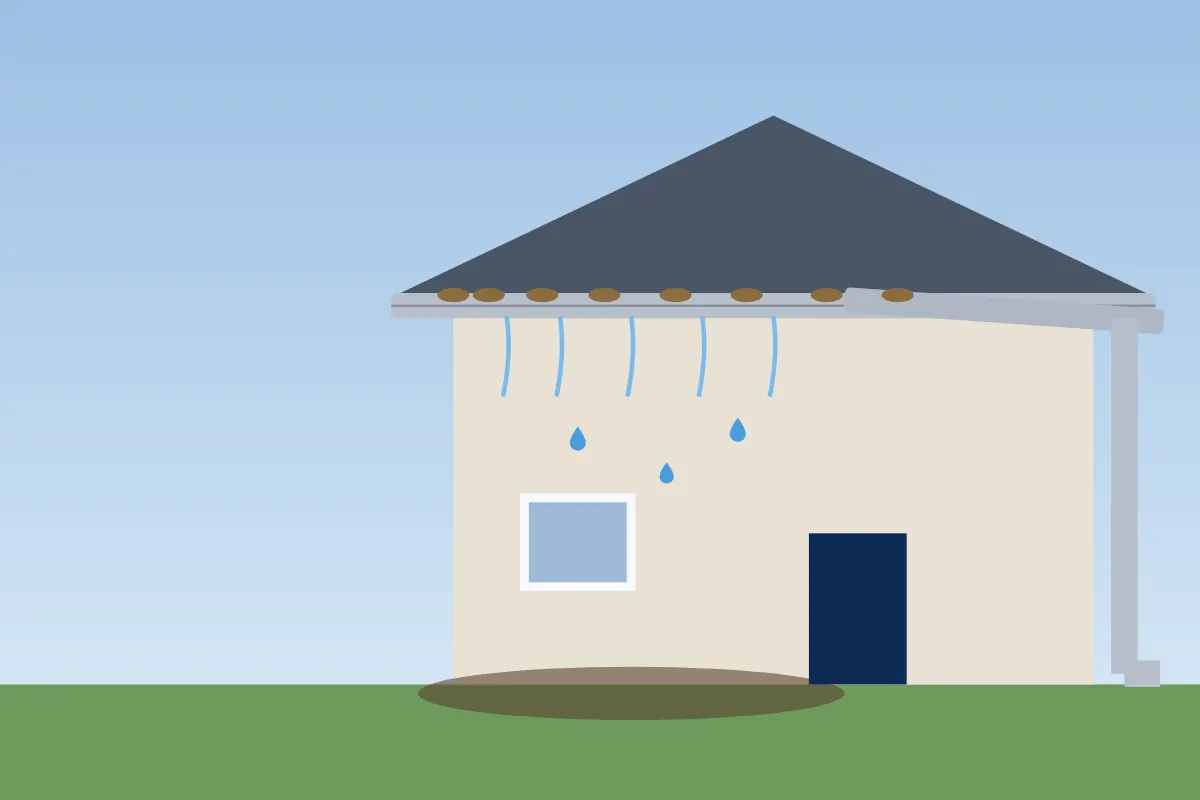
Heat escaping into the attic melts roof snow, which refreezes at the cold roof edge and gutters.
How do I prevent ice dams?
Air seal the attic floor, add insulation and improve ventilation so the roof stays cold.
How do I remove an ice dam safely?
Rake snow from the ground and have a professional steam the ice off. Do not chip it or climb an icy roof.
Does insurance cover ice dam damage?
Water damage inside from ice dams is often covered. Prevention and roof repairs may not be.
Who fixes ice dam problems?
A roofer for the roof and ice removal, and an insulation or HVAC contractor for air sealing and ventilation.
Related
This guide covered how to prevent Ice dams. For more background, see the FTC’s advice on hiring a contractor and avoiding home improvement scams, and if you need help, Sifixit can connect you with a local provider.
This guide is general information for homeowners, not professional, insurance or safety advice for your situation.
More helpful guides
- Seamless vs sectional gutters: which should you chooseSeamless gutters are formed on site from one long piece of metal for each run, so they have...
- Downspout drainage: how to keep water away from your foundationDownspouts should carry roof water at least 4 to 6 feet away from the house, onto ground that...