Short answer: Seamless gutters are formed on site from one long piece of metal for each run, so they have fewer joints to leak and look cleaner. Sectional gutters come in shorter pieces joined together, cost less and are easier to install yourself, but the joints can leak over time. Most homeowners who hire an installer choose seamless aluminum gutters.
When you replace or add gutters, the first choice is seamless or sectional. This guide compares seamless vs sectional gutters to help you decide.
How they differ
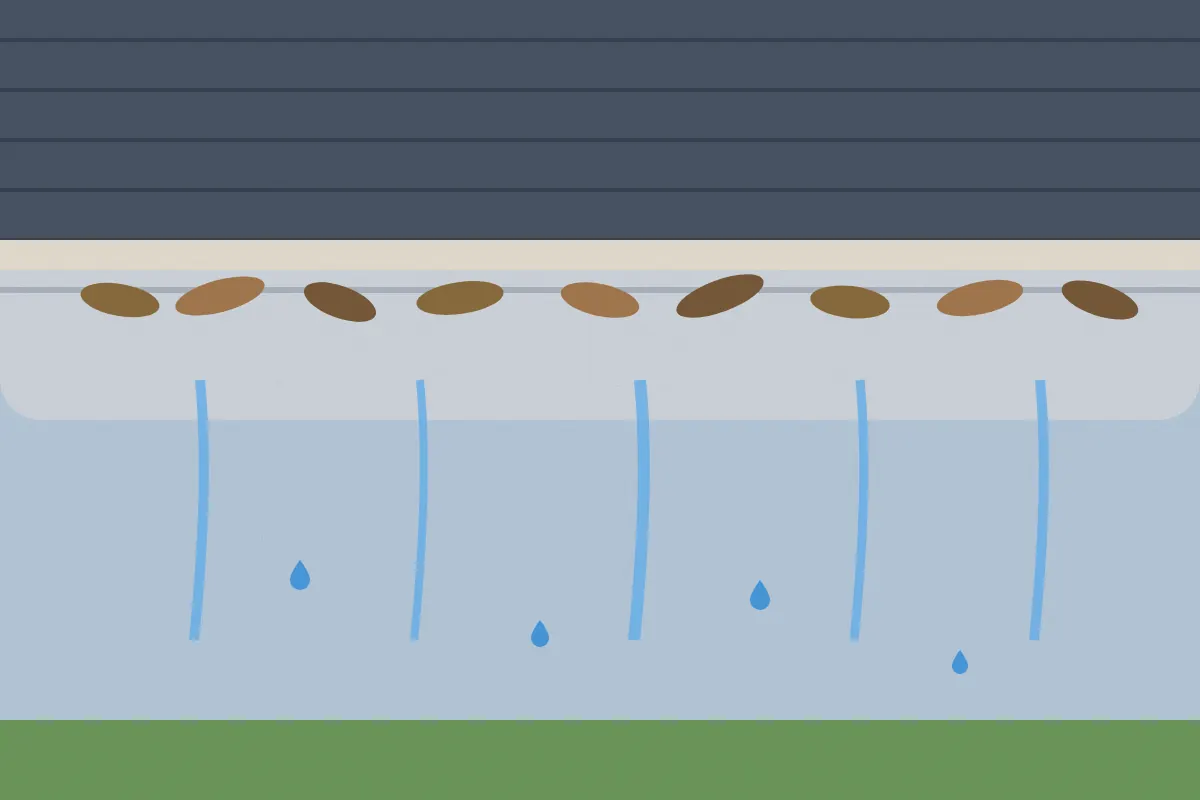
- Seamless: the installer brings a machine that forms each gutter run from a coil of metal, cut to the exact length of your roof edge. Joints are only at corners and downspouts.
- Sectional: pre made pieces, often 10 feet long, are joined with connectors and sealant.
Side by side
- Leaks: seamless has far fewer joints, so fewer leaks. Sectional seams can loosen and leak as sealant ages.
- Looks: seamless looks smooth and custom. Sectional shows joints.
- Cost: sectional materials cost less. Seamless usually costs more but includes professional installation.
- Installation: seamless needs a professional with a forming machine. Sectional can be a do it yourself project.
- Materials: seamless is usually aluminum, sometimes copper or steel. Sectional is often vinyl or aluminum.
- Repairs: sectional pieces can be swapped individually. A damaged seamless run may need replacing as a whole.
Which to choose
- Seamless for most homes, long runs, fewer leaks and a clean look
- Sectional for small projects, sheds and garages, tight budgets or do it yourself installs
Other choices to make
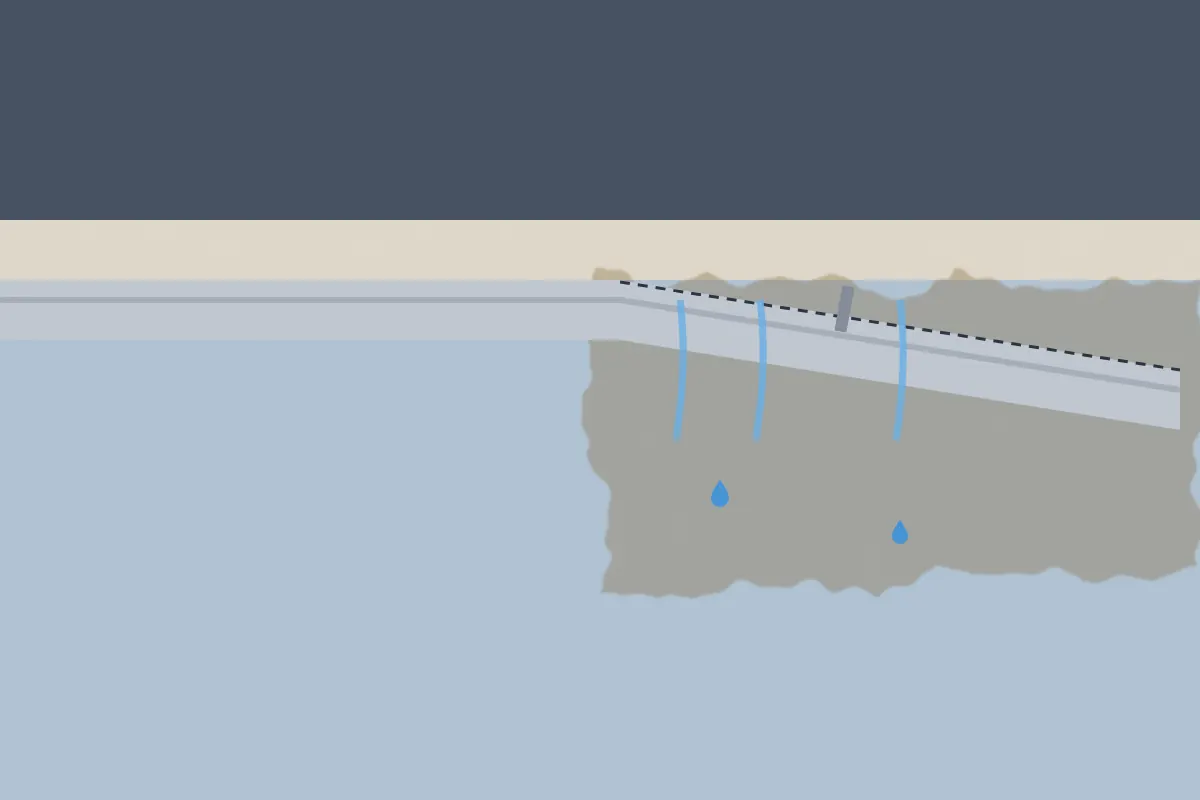
- Size: 5 inch or 6 inch, based on roof size and rainfall
- Downspouts: enough of them, and large enough
- Hangers: hidden hangers spaced closely for strength
- Gutter guards: can be added at installation
- Color: matched to trim or roof
Read about gutter installation, gutter guards and downspout drainage.

Quick answers: seamless vs sectional gutters
Are seamless gutters better than sectional?
For most homes, yes, because they have fewer joints to leak and look cleaner.
How are seamless gutters made?
An installer forms each run on site from a coil of metal, cut to the exact length needed.
Are sectional gutters easier to install?
Yes. They come in pieces that homeowners can join, which suits small projects.
What size gutters do I need?
Most homes use 5 inch gutters. Larger or steep roofs and heavy rain areas often need 6 inch.
Who installs seamless gutters?
A gutter installation company. Sifixit can connect you with a local installer.
Related
This guide covered seamless vs sectional gutters. For more background, see the FTC’s advice on hiring a contractor and avoiding home improvement scams, and if you need help, Sifixit can connect you with a local provider.
This guide is general information for homeowners, not professional, insurance or safety advice for your situation.
More helpful guides
- Ice dams: what causes them and how to prevent themIce dams form when heat escaping into the attic melts snow on the roof, and the water refreezes...
- Downspout drainage: how to keep water away from your foundationDownspouts should carry roof water at least 4 to 6 feet away from the house, onto ground that...