Short answer: Downspouts should carry roof water at least 4 to 6 feet away from the house, onto ground that slopes away from the foundation. Extensions, splash blocks, underground drain lines and rain gardens all help. Poor downspout drainage is one of the most common causes of wet basements and foundation problems.
Gutters collect rain from the roof, but the job is only half done if downspouts dump that water right next to the house. Every inch of rain on a typical roof produces hundreds of gallons of water. This guide explains good downspout drainage and how it protects your foundation.
Why downspout drainage matters
- Water pooling by the house soaks the soil against the foundation
- Wet soil pushes on basement walls and can cause leaks and cracks
- Clay soils swell when wet and shrink when dry, moving foundations
- Erosion washes out soil under slabs, walks and driveways
- Standing water attracts pests and grows mold on siding
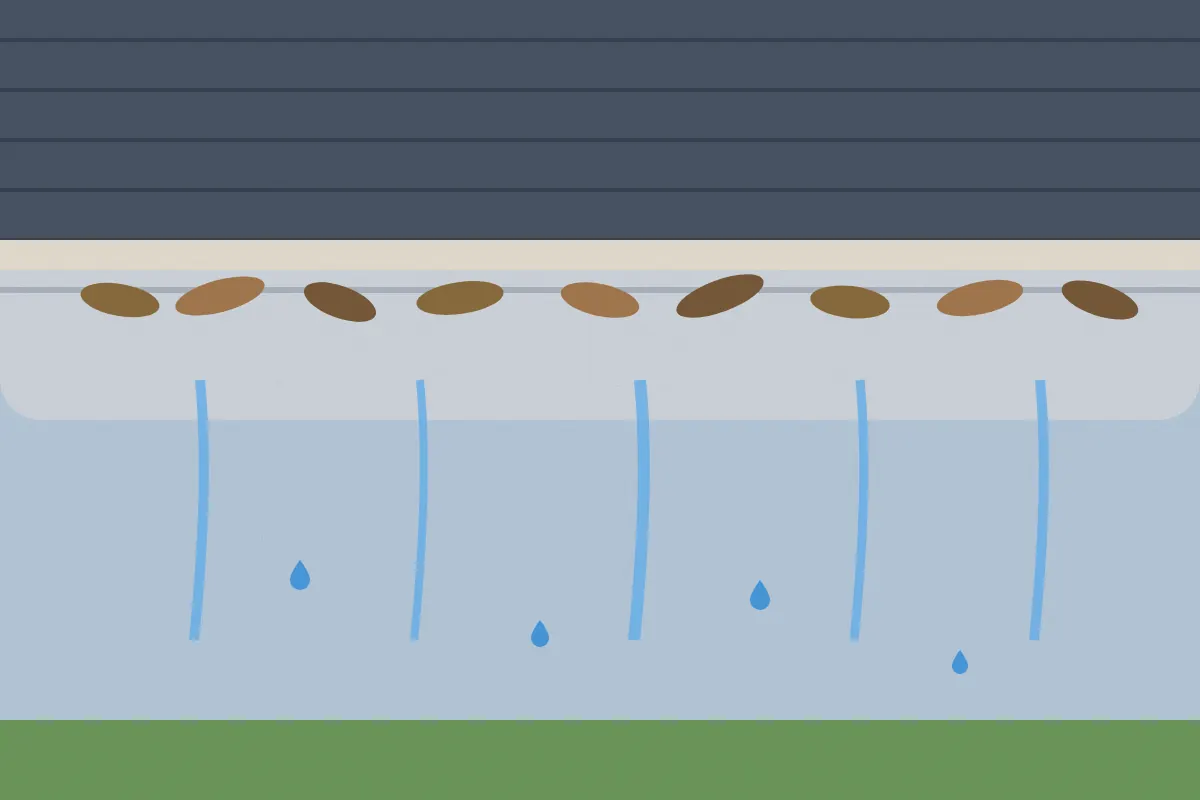
Signs of poor drainage
- Puddles or wet soil by the foundation after rain
- Water in the basement or crawl space
- Washed out mulch or soil below downspouts
- Stains or efflorescence, white powder, on basement walls
- Cracks in the foundation or sticking doors
Ways to move water away
- Downspout extensions: simple pipes or flexible extensions that carry water 4 to 6 feet or more from the house.
- Splash blocks: concrete or plastic blocks that spread water, best combined with good grading.
- Underground drain lines: buried pipes that carry water to a safe outlet, such as a pop up emitter or the street where local rules allow.
- Rain barrels: store roof water for gardens, with an overflow directed away from the house.
- Rain gardens: planted low areas that soak up runoff, placed well away from the foundation.
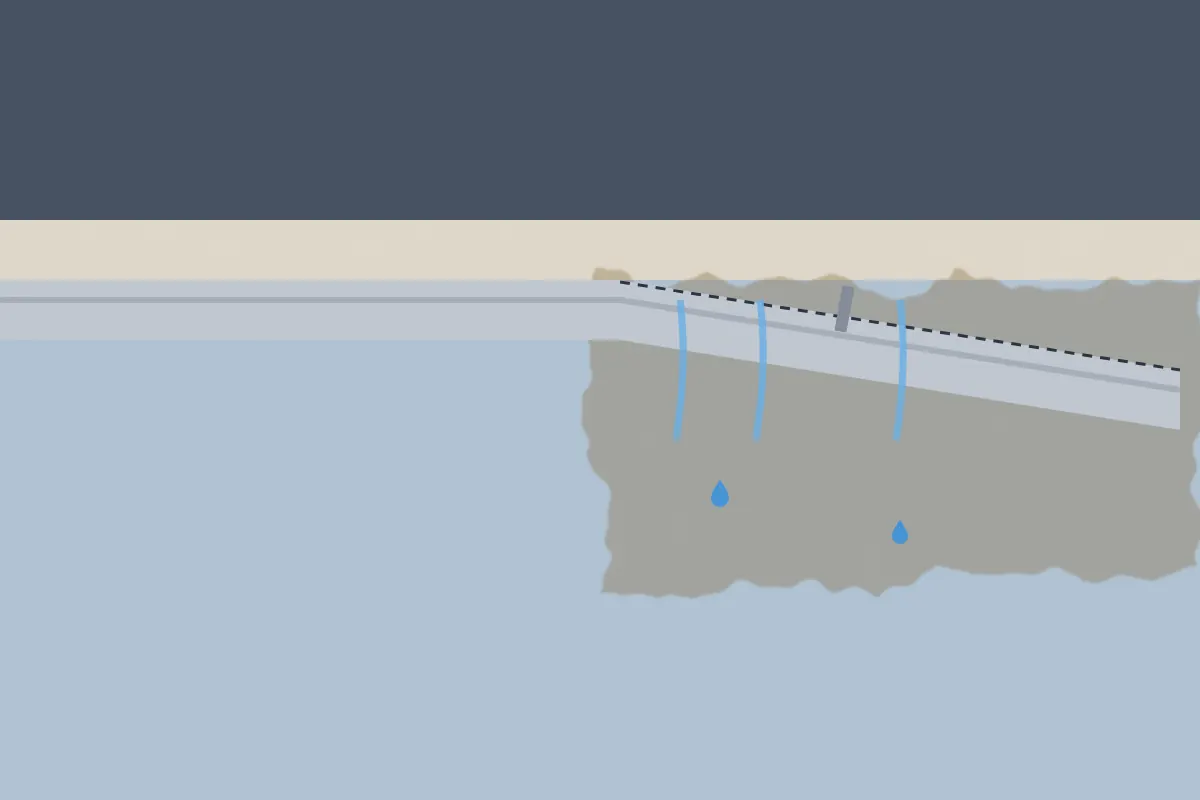
Check the grading
The ground around the house should slope away, ideally dropping about 6 inches over the first 10 feet. Low spots, flower beds with edging that traps water and settled soil can send water back toward the house. Regrading and adding soil can fix it.
How to add a downspout extension
- Measure from the downspout outlet to a spot 4 to 6 feet from the house where the ground slopes away.
- Buy an extension that fits the downspout size, or a flexible extension.
- Attach it over the outlet, and secure it with screws if needed.
- Place a splash block at the end to prevent erosion.
- Check it after the next rain to make sure water flows away.
Hinged extensions that flip up make mowing easier and are less likely to be left off.
Common mistakes
- Downspouts ending right at the foundation
- Extensions removed for mowing and never put back
- Underground lines that are clogged or crushed
- Downspouts discharging onto a neighbor’s property or a sidewalk, which some cities restrict
- Connecting downspouts to the sanitary sewer, which many cities prohibit
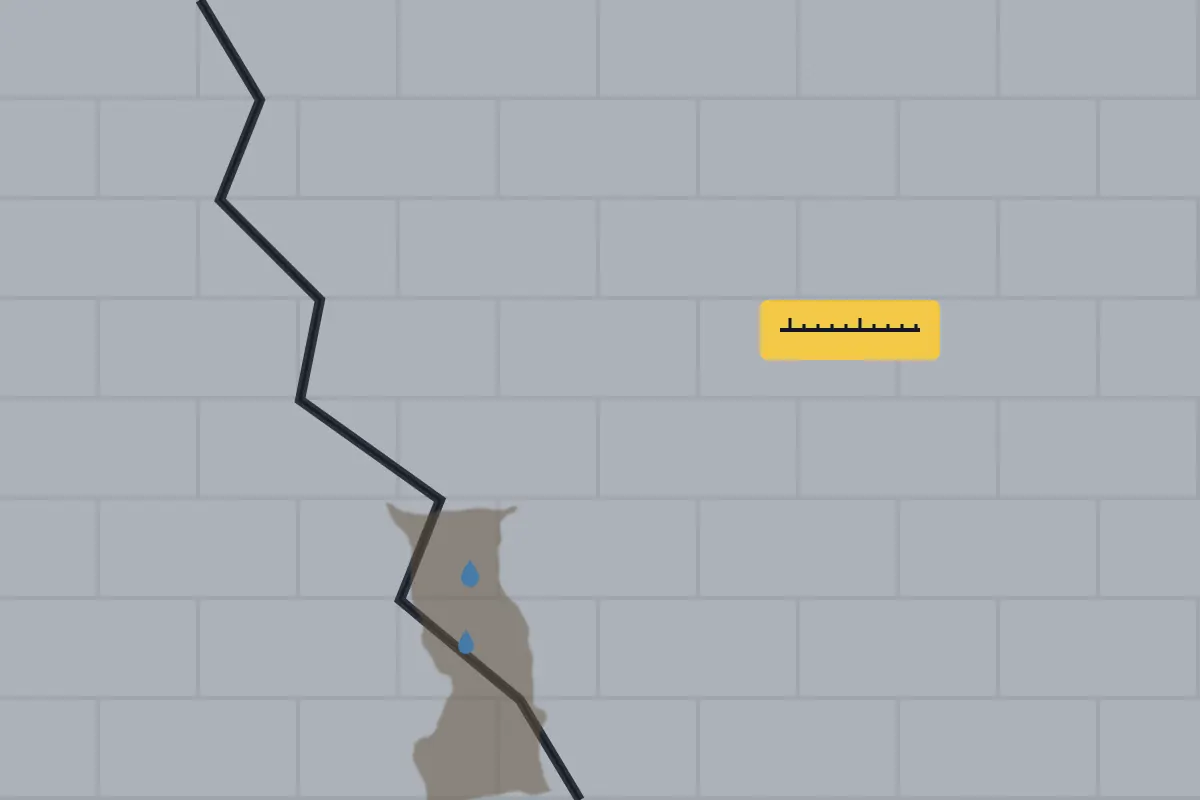
Good drainage is often part of any foundation repair. Read about foundation repair, gutter installation and our guide to basement waterproofing.
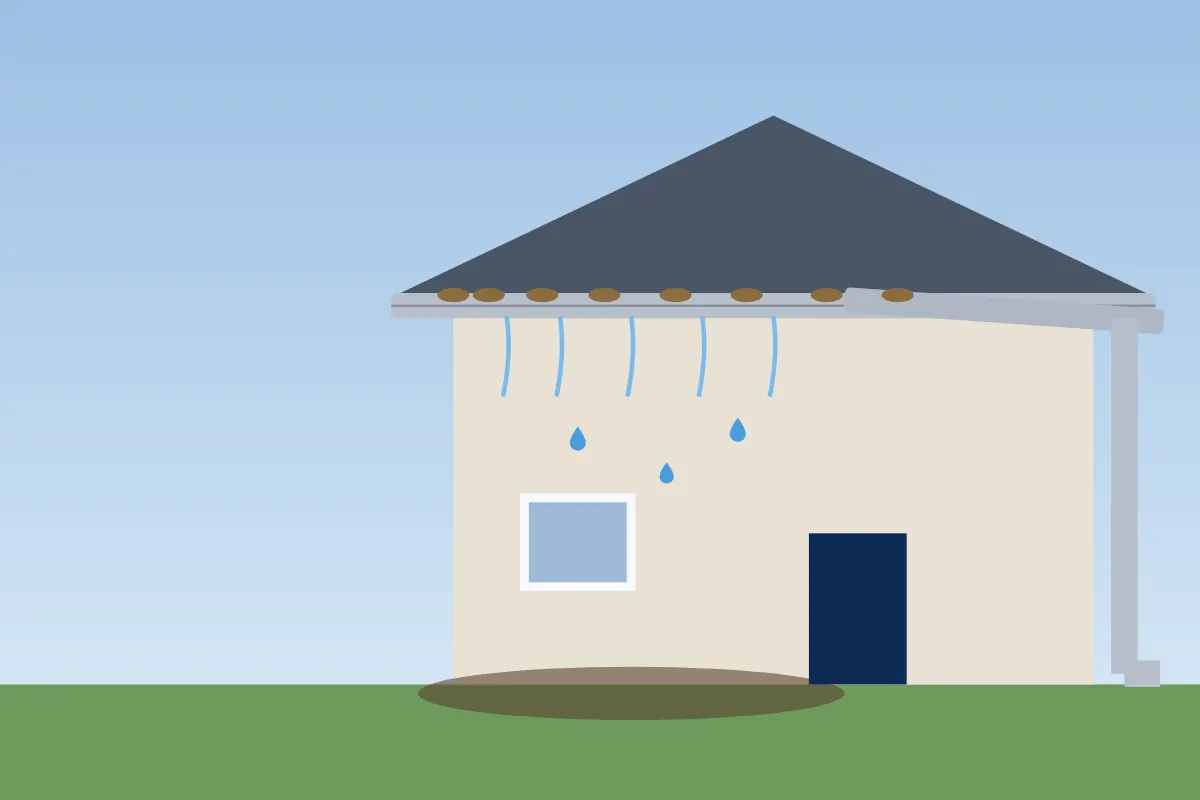
Quick answers
How far should downspouts drain from the house?
At least 4 to 6 feet, onto ground that slopes away from the foundation.
Can bad drainage damage my foundation?
Yes. Water pooling by the house can cause basement leaks, soil movement and foundation cracks.
Are underground downspout drains a good idea?
They work well when properly sloped and kept clear, and they avoid tripping hazards.
Can I connect downspouts to the sewer?
Many cities prohibit connecting downspouts to the sanitary sewer. Check local rules.
Who fixes downspout drainage?
A gutter company for gutters and downspouts, and a foundation company if damage has occurred. Sifixit can connect you with local providers.
Related
This guide covered downspout drainage. For more background, see the FTC’s advice on hiring a contractor and avoiding home improvement scams, and if you need help, Sifixit can connect you with a local provider.
This guide is general information for homeowners, not professional, insurance or safety advice for your situation.
More helpful guides
- Seamless vs sectional gutters: which should you chooseSeamless gutters are formed on site from one long piece of metal for each run, so they have...
- Ice dams: what causes them and how to prevent themIce dams form when heat escaping into the attic melts snow on the roof, and the water refreezes...