Short answer: A musty smell almost always means moisture, and often mold or mildew somewhere you cannot see, such as a basement, crawl space, under a sink or inside a wall. Find and fix the damp, and the smell goes with it.
Musty smells are one of the most common signs of hidden moisture. Here is how to track down the source and when to call for help.
The most common causes
- Mold or mildew in a basement, crawl space or closet
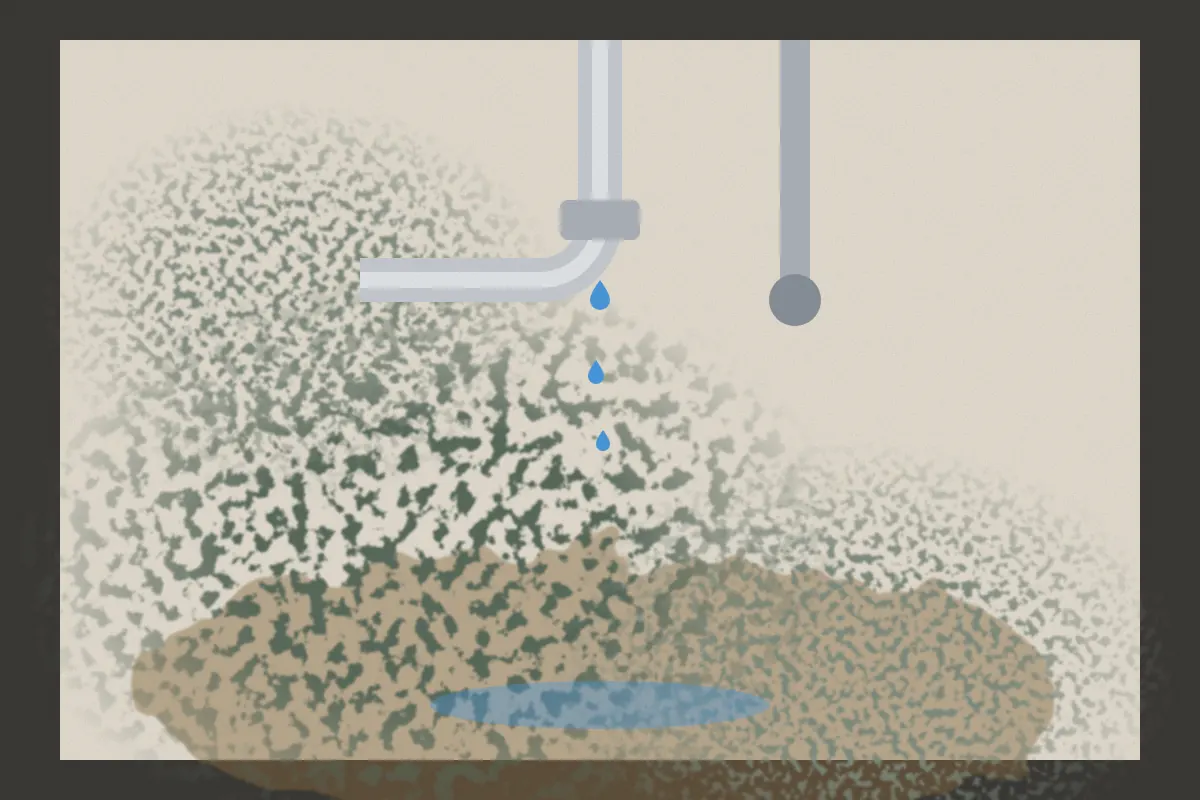
- A slow leak under a sink, behind a toilet or inside a wall
- High humidity with poor ventilation
- Damp carpet, rugs or furniture after a spill or leak
- A washing machine door seal or drain holding water
- Air conditioner drain pans and ducts

How to find the source
- Follow your nose: the smell is usually strongest near the source
- Check under sinks and around toilets, tubs and the water heater
- Look in the basement, crawl space and closets on outside walls
- Check the washing machine seal and the air conditioner drain pan
- Use a moisture meter or hygrometer if you have one

Musty or sewer smell?
A rotten egg or sewer smell is different from a musty one. It often comes from a floor drain or sink trap that has dried out, which lets sewer gas in. Pouring water into unused drains usually fixes it. If the smell stays, call a plumber.
How to get rid of it for good
- Fix any leak you find
- Dry wet areas within a day
- Run a dehumidifier to keep humidity below about 50 percent
- Use bathroom and kitchen fans that vent outside
- Clean small moldy areas on hard surfaces with detergent and water
When to call a professional
Call a mold removal provider if the smell does not go away, you cannot find the source, you see mold on large areas or there has been a leak inside a wall.
Frequently asked questions about musty smell in house
Is a musty smell dangerous?
The smell itself is not the problem, but it usually means mold or damp, which can affect people with allergies or asthma.
Will air fresheners fix a musty smell?
No. They only cover it. The moisture source must be found and fixed.
Why does my house smell musty after rain?
Water may be getting into the basement, crawl space or walls. Check gutters, grading and for leaks.
Can a musty smell come from the air conditioner?
Yes. Clogged drain pans and damp ducts can grow mold. Have the system cleaned and checked.
Related
Read our guide on mold behind walls and our basement mold removal page.
This guide covered musty smell in house. For more background, see the EPA’s mold guide, and if you need help, Sifixit can connect you with a local provider.
This site is a free service to assist homeowners in connecting with local service contractors. All contractors are independent and this site does not warrant or guarantee any work performed. It is the responsibility of the homeowner to verify that the hired contractor furnishes the necessary license and insurance required for the work being performed. All persons depicted in a photo or video are actors or models and not contractors listed on this site.
Facts last checked on October 7, 2026 by Ishaq Khokhar.
More helpful guides
- Mold under carpet: signs and what to doHow to tell if mold is growing under your carpet, why it happens, and whether the carpet can...
- Mold in a rental home: what tenants and landlords should knowTenants should report mold and any leak to the landlord in writing, with photos, and keep a copy.
- Mold on windows and window sills: causes and preventionMold on windows usually comes from condensation: warm, damp indoor air hits cold glass and frames, and water...
- Mold in AC vents and air ducts: signs and what to doDark spots on vent covers, a musty smell when the air conditioning runs and allergy symptoms that worsen...
- Bathroom mold: causes, cleaning and preventionBathroom mold grows because of steam, standing water and poor ventilation.
- Do I need mold testing? When it helps and when it does notIf you can see or smell mold, you usually do not need testing to know it must be...