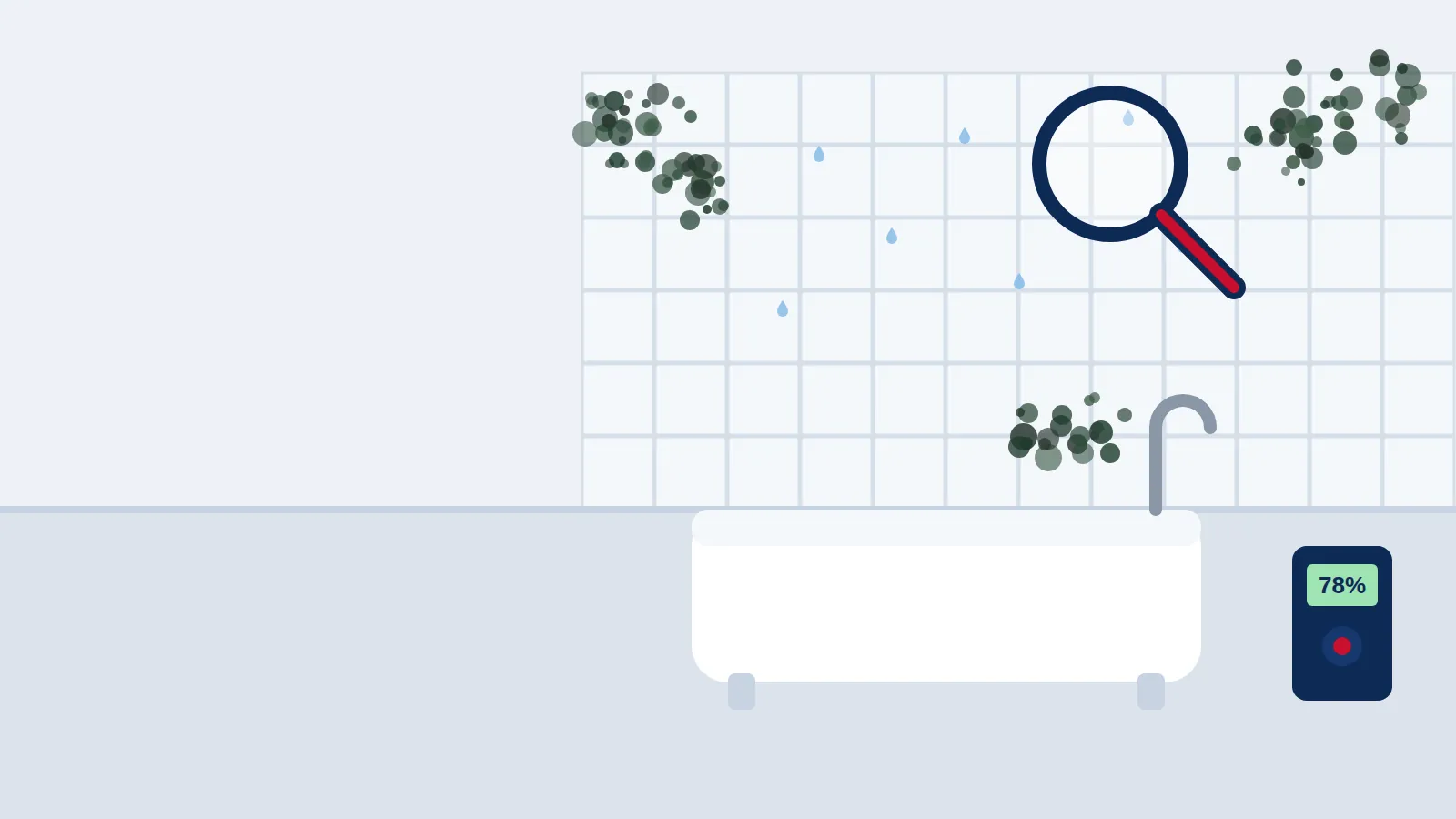
Basements are the most common place for mold in many homes. They sit below ground, where walls and floors stay cool and damp, and they are often the first place water goes during storms and leaks. Keeping a basement dry is the key to keeping mold away.
Sifixit is a free referral service. Call the number on this page and you will be connected with an independent mold removal provider where one serves your area. Calling costs nothing and you are never obliged to hire anyone.
Signs of basement mold
Check your basement for these signs, especially after wet weather.
- A musty smell that hits you on the stairs
- Dark spots on walls, floor joists or stored items
- White, chalky deposits on concrete walls
- Peeling paint or damp patches on walls
- Condensation on cold pipes and walls
- Rotting or stained wood near the floor
What to do right now
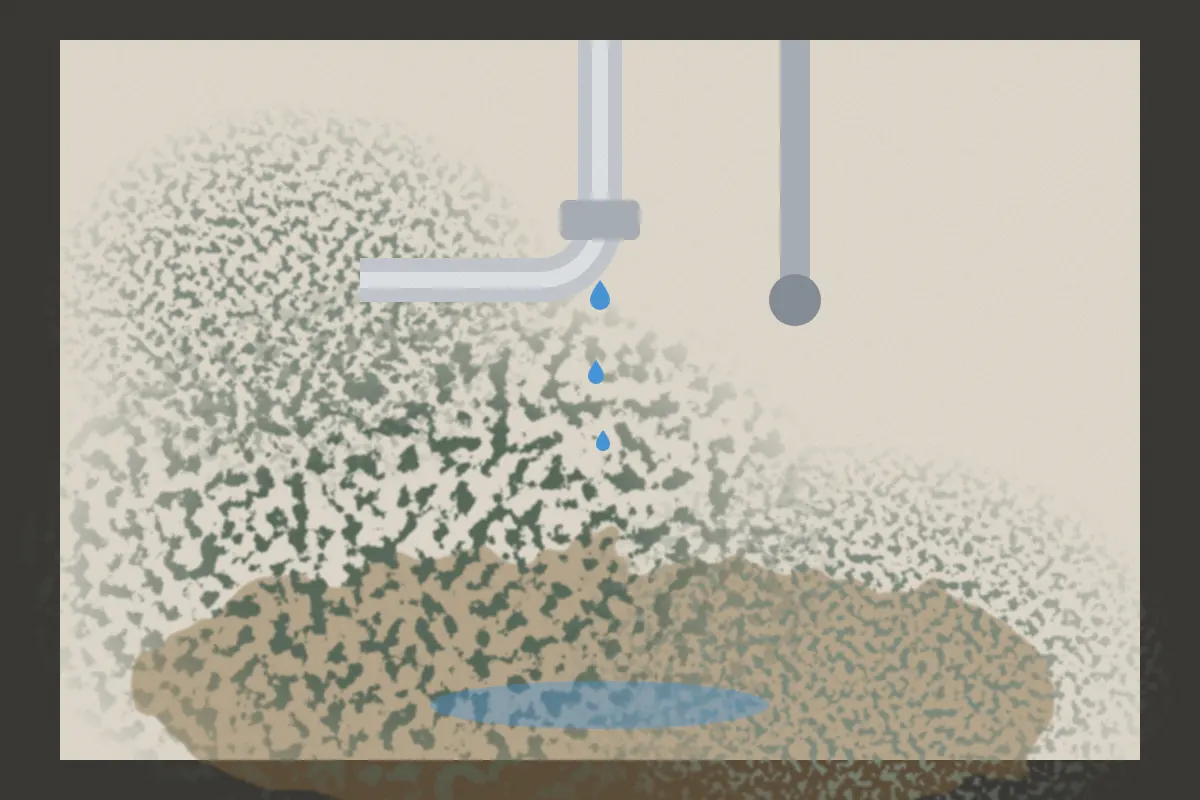
If the basement has flooded, make sure the power is off before going in. Keep anyone with asthma or a weak immune system out of moldy areas.
- Find and stop any water coming in
- Run a dehumidifier if you have one
- Move stored items off the floor and away from walls
- Throw away moldy cardboard and paper
- Take photos of the mold and any water damage
- Call a mold removal provider
Why basements get moldy
Humidity
Cool basement air holds moisture, and warm humid air turns to condensation on cold walls and pipes.
Water seeping in
Groundwater can seep through foundation walls and floors, especially after heavy rain.
Leaks and floods
Plumbing leaks, sump pump failures and floods soak basements quickly.
Stored items
Cardboard boxes, fabrics and wood kept on the floor soak up moisture and feed mold.

How basement mold is removed
- The provider finds where the moisture comes from.
- The area is contained and the air is filtered.
- Moldy drywall, insulation, carpet and stored items are removed.
- Concrete, framing and hard surfaces are cleaned.
- The basement is dried, and moisture control is recommended or installed.
How to keep a basement dry
- Keep indoor humidity below 60 percent, ideally between 30 and 50 percent, as the Environmental Protection Agency advises
- Run a dehumidifier in damp months
- Keep gutters clear and downspouts pointed away from the house
- Store items on shelves in plastic bins, not cardboard
- Insulate cold water pipes to stop condensation
Questions to ask before you hire
- Where is the moisture coming from?
- Which materials must be removed?
- Do you recommend a dehumidifier, drainage or waterproofing?
- How will you contain the work area?
- Is a mold license required in my state, and do you have one?
Frequently asked questions
Can I clean basement mold myself?
Small areas on hard surfaces, under about 10 square feet, can often be cleaned with detergent and water while wearing gloves and a mask. Larger areas are best left to a professional.
Will a dehumidifier stop basement mold?
It helps a lot with humidity, but it will not fix water seeping in or leaks. Those need to be fixed too.
Should I finish a basement that has had mold?
Only after the moisture problem is solved. Finishing a damp basement traps moisture behind new walls.
Does insurance cover basement mold?
It may if the mold followed a sudden covered event. Mold from long term damp or seepage usually is not covered.
Learn more
Our main mold removal guide covers the wider picture, including what affects the cost and when to call a professional.
Sifixit is a free referral service and does not provide home services. Calls may be answered by a partner call center or connected directly to independent local providers, who are solely responsible for their work, pricing, licensing and insurance.