
Well installed gutters protect the roof edge, the walls, the landscaping and the foundation. Getting the size, slope and downspout placement right matters as much as the gutters themselves.
Sifixit is a free referral service. Call the number on this page and you will be connected with an independent gutter provider where one serves your area. Calling costs nothing and you are never obliged to hire anyone.
Signs you need new gutters
Consider new gutters if you see these signs.
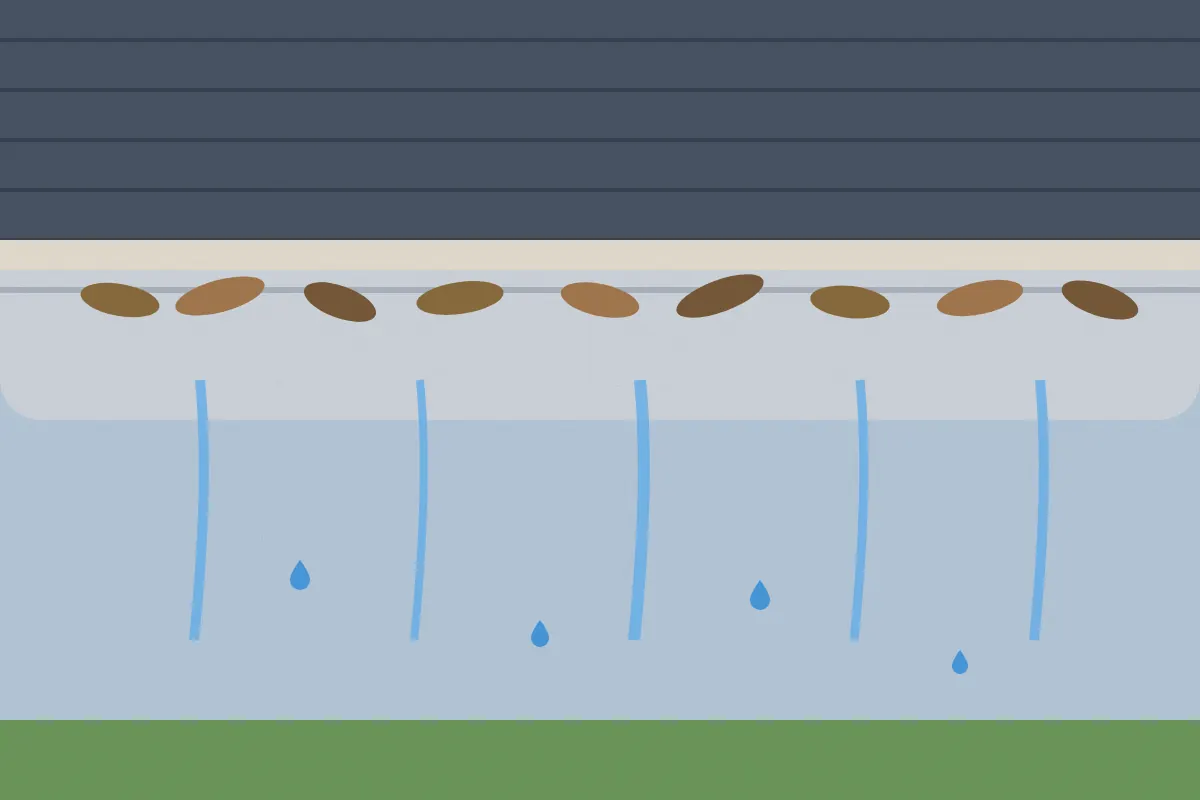
- Gutters that leak at many joints
- Sagging sections that do not stay fixed
- Rust or cracks along the gutters
- Water overflowing even when gutters are clean
- No gutters on some parts of the roof
- Rotted fascia boards behind the gutters
What to do right now
Do not use ladders in wind, rain or ice, and keep ladders well away from power lines.
- Watch where water goes during heavy rain
- Note where water pools near the foundation
- Measure or estimate the length of the roof edges
- Check the fascia for soft or rotted wood
- Decide whether you want gutter guards
- Get written quotes
Choosing new gutters
Seamless gutters
Made on site from one long piece, with fewer joints that can leak.
Sectional gutters
Joined pieces that are easier to replace in parts.
Size
Larger gutters and downspouts carry more water, which helps on big or steep roofs.
Guards
Screens and covers reduce clogs from leaves and debris.

How gutters are installed
- Old gutters are removed, and the fascia is checked and repaired.
- New gutters are sized for the roof and rainfall.
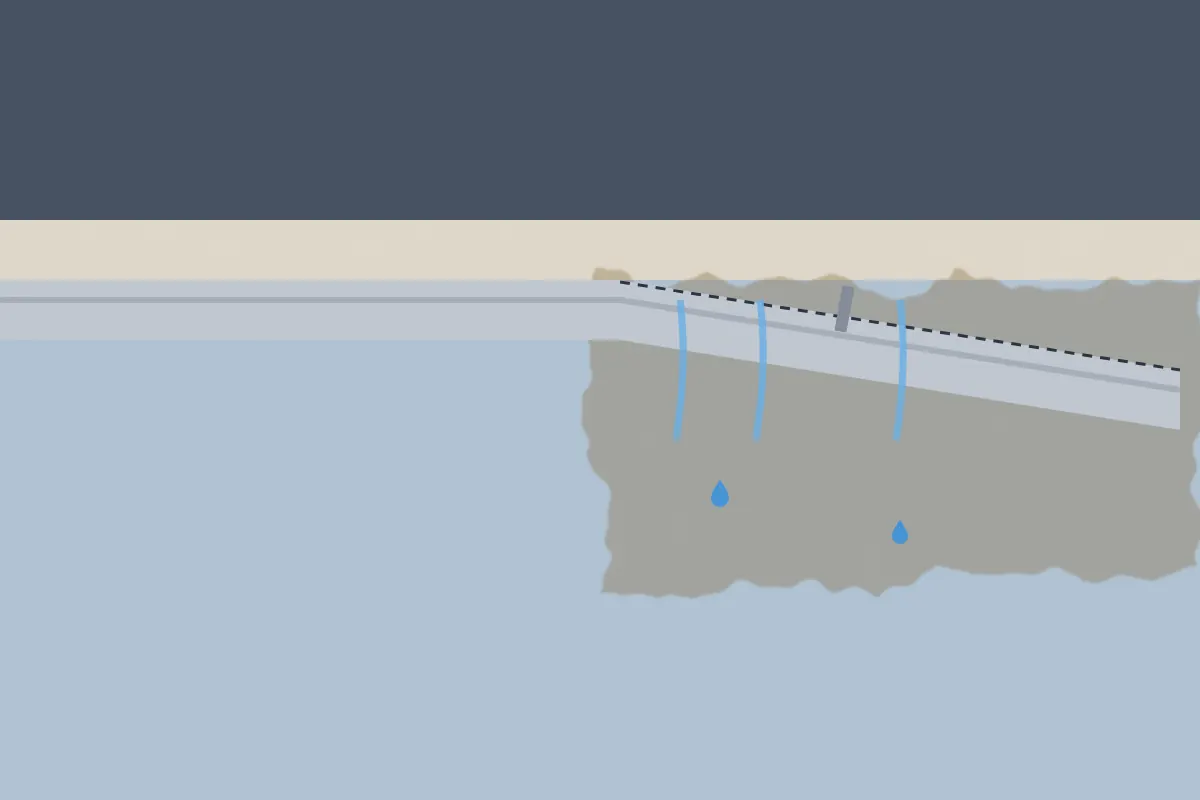
- Gutters are hung with a slight slope toward the downspouts, often about a quarter inch for every 10 feet.
- Hangers are fixed at regular spacing so gutters do not sag.
- Downspouts and extensions carry water well away from the foundation.
Getting the most from new gutters
- Clean gutters at least twice a year
- Make sure downspouts discharge several feet from the house
- Check hangers after storms
- Trim branches over the roof
- Consider guards if trees drop a lot of leaves
Questions to ask before you hire
- Seamless or sectional, and why?
- What gutter and downspout size do you recommend?
- How will you slope the gutters?
- Will you repair rotted fascia first?
- What warranty covers materials and labor?
Frequently asked questions about gutter installation
How long does gutter installation take?
Many homes are done in a day.
What size gutters do I need?
Five inch gutters are common on homes, and six inch gutters handle more water on larger or steeper roofs.
Do gutters need a permit?
Usually not, but check local rules and your HOA.
How long do gutters last?
Aluminum gutters often last for decades with regular cleaning and care.
Learn more
Our main gutter guide covers the wider picture, including what affects the cost and when to call a professional.
Looking for gutter installation? Call the number on this page to be connected with an independent local provider. For more background, see the FTC’s advice on hiring a contractor and avoiding home improvement scams.
This site is a free service to assist homeowners in connecting with local service contractors. All contractors are independent and this site does not warrant or guarantee any work performed. It is the responsibility of the homeowner to verify that the hired contractor furnishes the necessary license and insurance required for the work being performed. All persons depicted in a photo or video are actors or models and not contractors listed on this site.
Helpful guides
- Seamless vs sectional gutters: which should you chooseSeamless gutters are formed on site from one long piece of metal for each run, so they have...
- Ice dams: what causes them and how to prevent themIce dams form when heat escaping into the attic melts snow on the roof, and the water refreezes...
- Downspout drainage: how to keep water away from your foundationDownspouts should carry roof water at least 4 to 6 feet away from the house, onto ground that...