Short answer: Seattle’s long wet season, from fall through spring, finds every weak spot in roofs, gutters, windows, siding and basements. Clear gutters and moss, check roof flashing, keep water draining away from the foundation, and watch crawl spaces and basements for seepage. Fix small leaks quickly, since damp materials in cool weather dry slowly and grow mold.
Seattle is known for steady rain more than downpours, but atmospheric river storms can bring heavy rain and flooding too. Months of moisture wear on homes. This guide covers Seattle water damage and how to prevent it.
Common Seattle water problems
- Moss on roofs that holds water and lifts shingles
- Clogged gutters from needles and leaves
- Leaks around chimneys, skylights and windows
- Basement and crawl space seepage
- Rot behind wood siding and trim
- Sewer backups in heavy storms
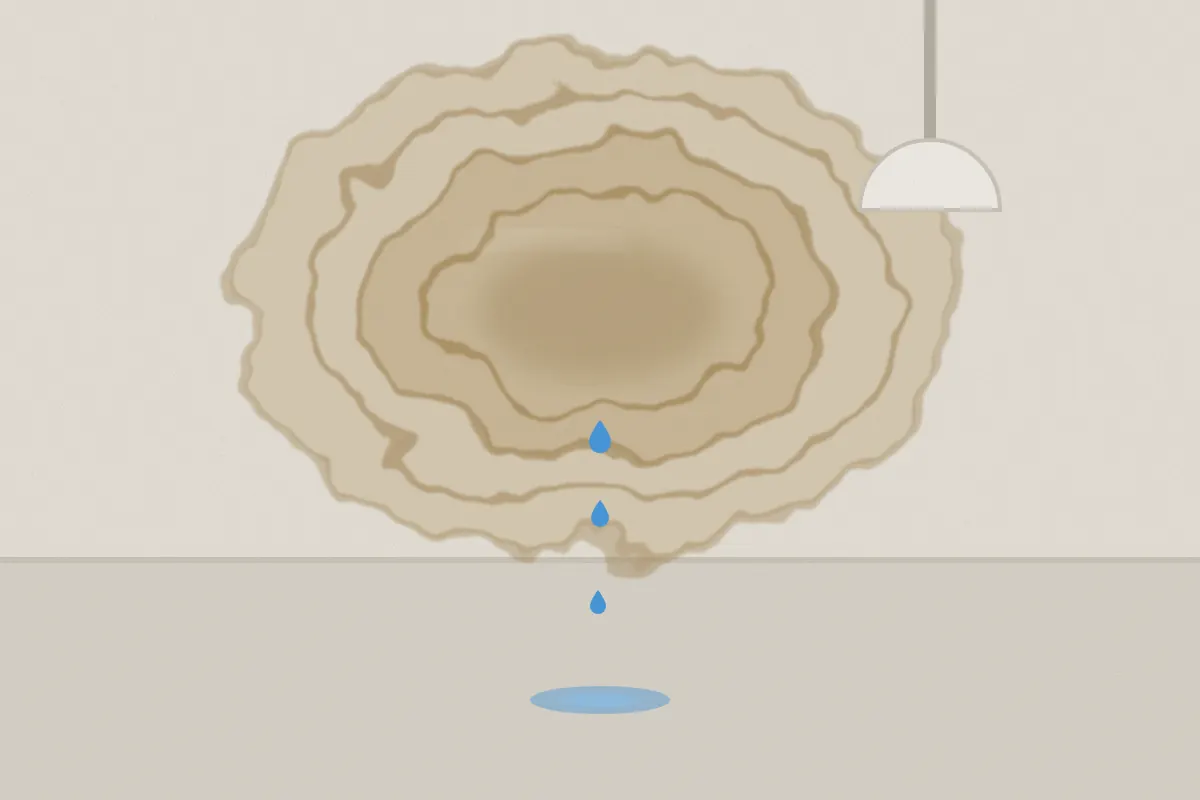
Before the rainy season
- Clean gutters and downspouts, and remove moss from the roof gently
- Have flashing around chimneys and skylights checked
- Recaulk windows and doors
- Check that soil slopes away from the foundation
- Test your sump pump if you have one
- Check crawl spaces for standing water
Side sewers in Seattle
In Seattle, property owners are generally responsible for their side sewer, the pipe from the house to the public sewer. Roots and old pipes can cause backups in heavy rain. A camera inspection helps. Read what causes a sewer backup.
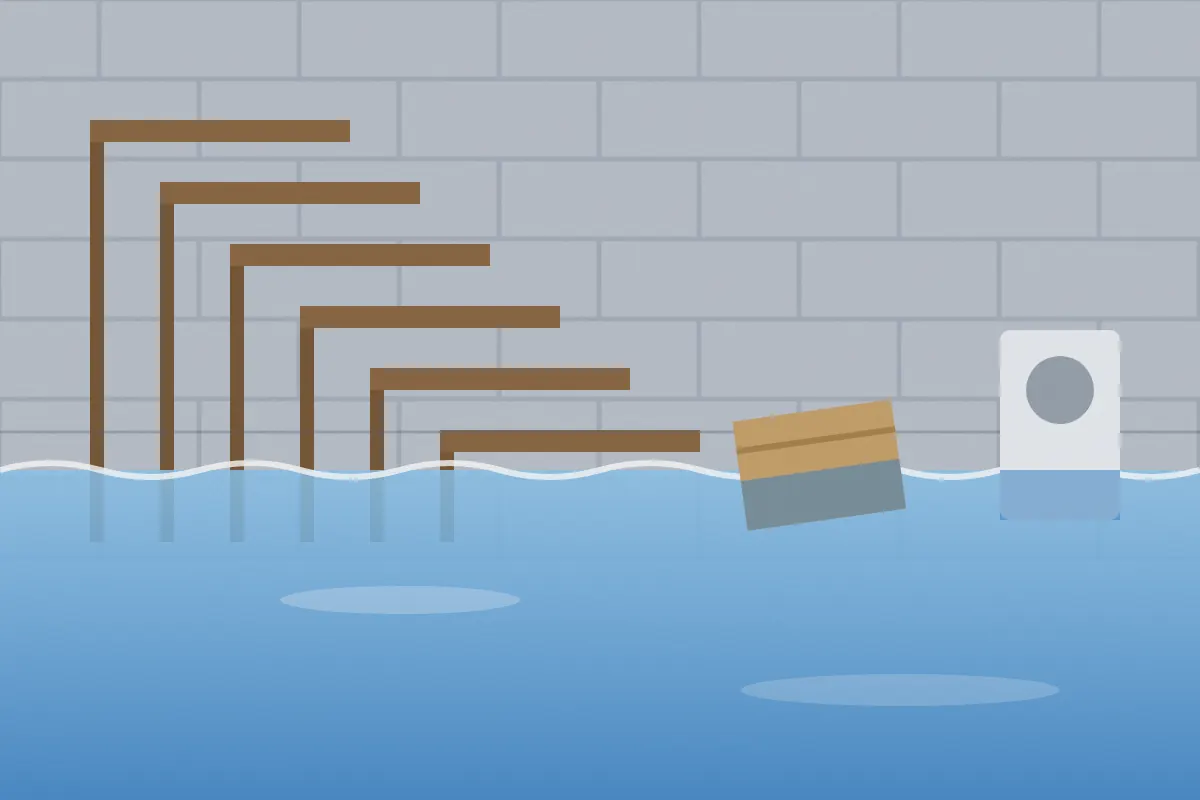
Atmospheric river storms
Several times a year, atmospheric rivers bring long bands of heavy rain to the Pacific Northwest. These storms can overwhelm gutters, drains and sewers, raise rivers and cause landslides on steep slopes. Before storm season, clear drains and gutters, and during storms watch basements, crawl spaces and slopes near the house.
Drying in a cool, damp climate
Wet materials dry slowly in Seattle’s cool, humid air, so natural drying rarely works after real water damage. Professional drying with dehumidifiers and air movers, and moisture readings, helps prevent hidden mold.
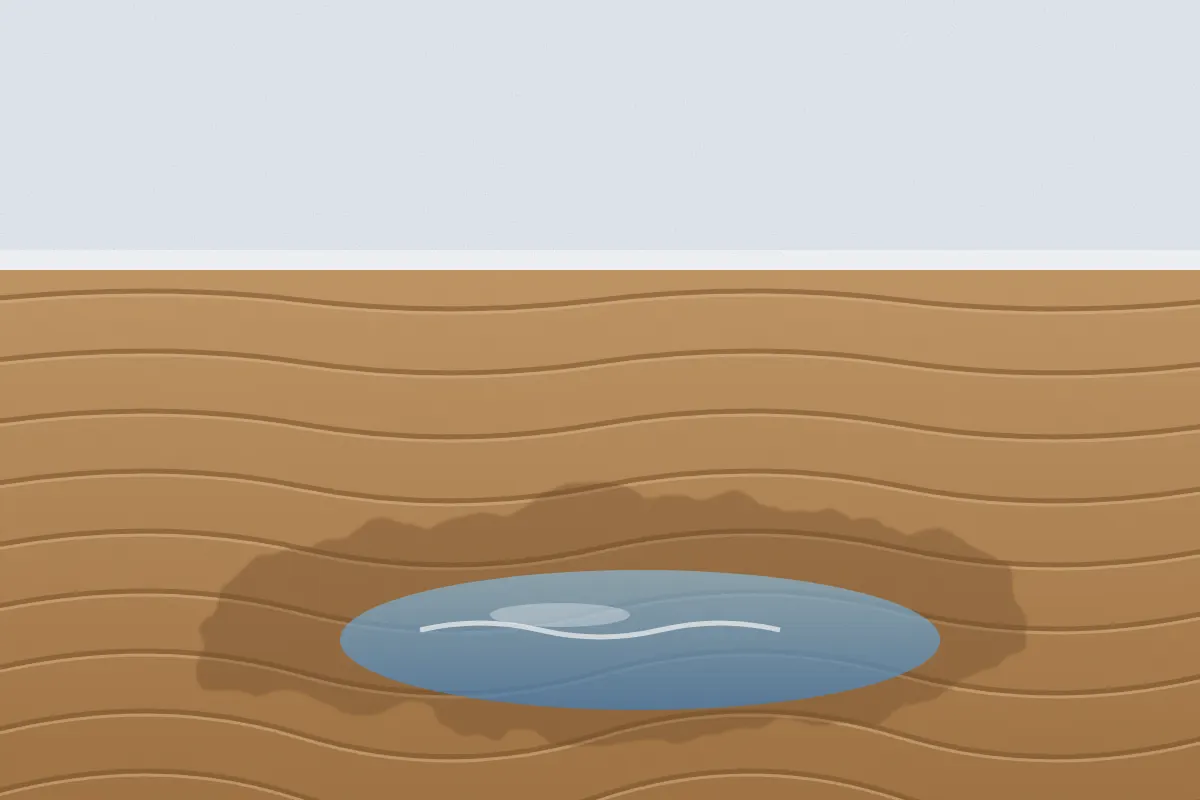
Read signs of hidden water damage and crawl space moisture.
Local help in Seattle
Quick answers: seattle water damage
What causes water damage in Seattle homes?
Months of rain, moss on roofs, clogged gutters, flashing leaks and basement seepage.
Who is responsible for the side sewer in Seattle?
Property owners are generally responsible for the side sewer from the house to the public sewer.
How do I stop moss damaging my roof?
Remove it gently and keep gutters clear. Avoid pressure washing, which damages shingles.
Why does water damage dry slowly in Seattle?
Cool, humid air slows drying, so professional equipment helps prevent mold.
Who fixes water damage in Seattle?
Sifixit can connect you with a local water damage restoration provider.
Related
- Water damage restoration in Seattle
- Hidden water damage signs
- What causes a sewer backup
- Crawl space moisture
This guide covered seattle water damage. For more background, see FEMA’s flood insurance pages, and if you need help, Sifixit can connect you with a local provider.
This guide is general information for homeowners, not professional, insurance or safety advice for your situation.
More helpful guides
- Water leaking from the unit above youWhat to do when water leaks into your apartment or condo from the unit above, and who usually...
- Washing machine flooded the laundry roomWhat to do when a washing machine floods the laundry room, from stopping the water to drying the...
- Water damaged hardwood floors: can they be saved?Often, yes, if the water was clean and drying starts within a day or two.
- What to do after a flood in your homeReturn only when officials say it is safe, keep the power off until an electrician checks it, and...
- Washing machine and appliance leaks: how to prevent and handle themWashing machines, water heaters, dishwashers, refrigerator ice makers and toilets cause many household water damage claims, usually from...
- Can you stay in your house during water damage restorationOften yes, if the damage is limited to a few rooms of clean water, the power is safe...