Short answer: Crawl space moisture comes from damp ground, outside humid air, plumbing leaks and poor drainage. It leads to mold, rot, sagging floors, pests and musty smells upstairs. Fixes range from better drainage and a ground vapor barrier to full encapsulation with a dehumidifier.
Out of sight, a crawl space can quietly cause big problems. Damp air there rises into the home, and constant moisture rots wood supports. This guide explains crawl space moisture and how to fix it.
Signs of a damp crawl space
- Musty smells in the rooms above
- Soft, sagging or bouncy floors
- Mold or white fuzz on joists and beams
- Standing water or wet soil
- Condensation on pipes and ducts
- Insulation hanging down or wet
- More insects and rodents
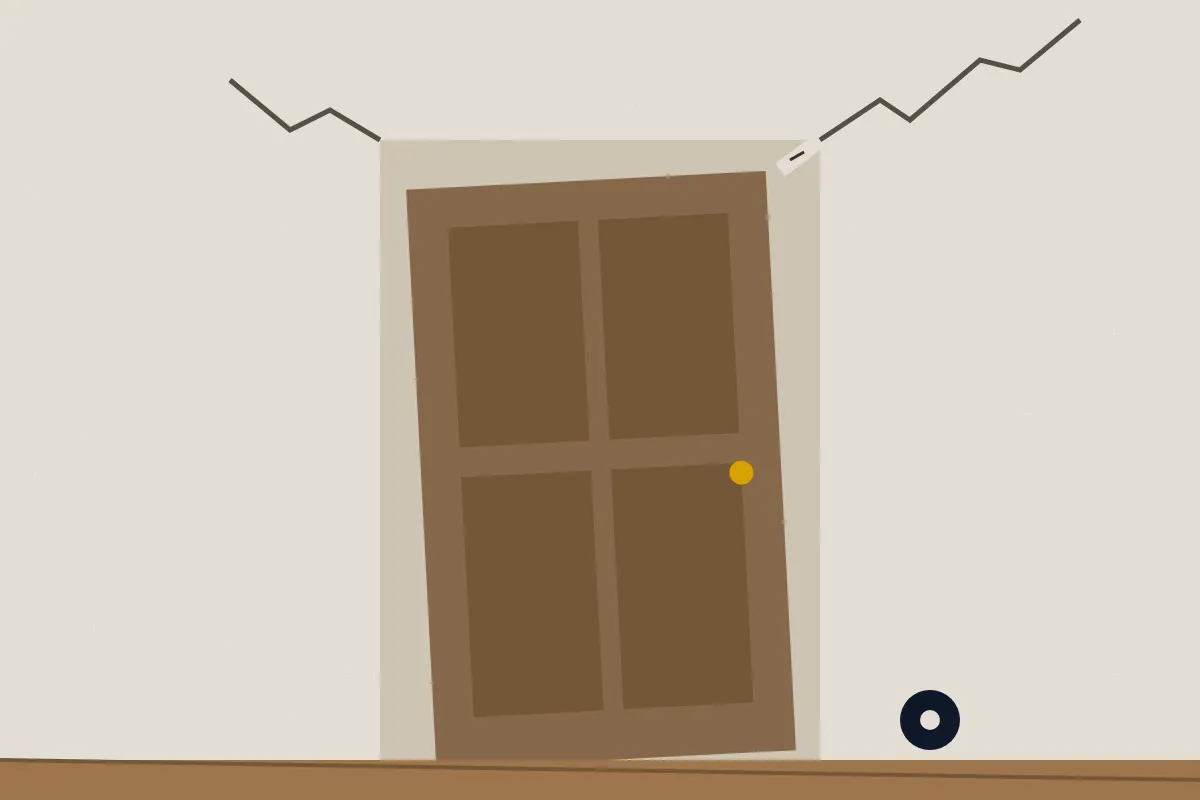
Common causes
- Ground moisture: bare soil constantly releases water vapor.
- Humid outside air: in warm, humid climates, vented crawl spaces pull in damp air that condenses on cooler surfaces.
- Poor drainage: gutters and grading that send water toward the house.
- Plumbing leaks: supply or drain leaks under the house.
- High water table: ground water rising after heavy rain.
Problems crawl space moisture causes
- Wood rot in joists, sill plates and beams
- Mold growth that affects air quality upstairs
- Sagging floors and sticking doors
- Termites and other pests attracted to damp wood
- Higher energy bills from wet insulation
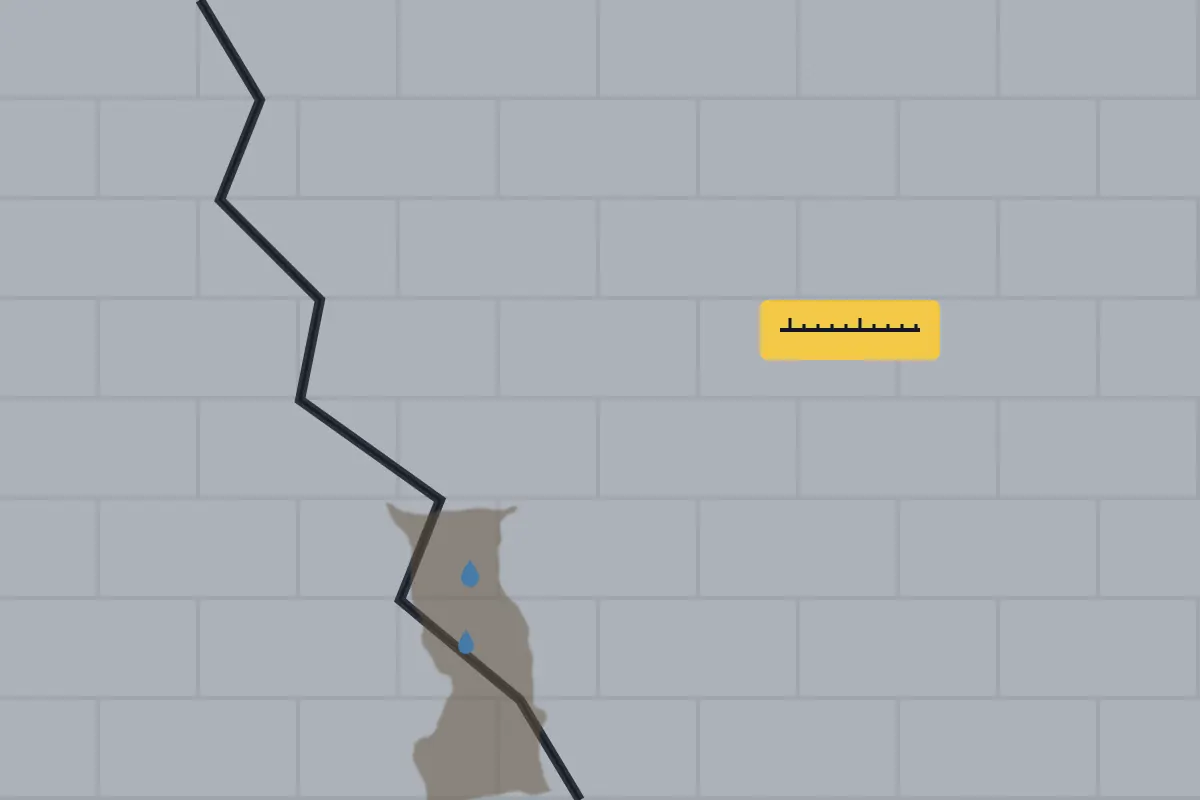
How to fix it
- Fix drainage outside: gutters, downspout extensions and grading.
- Repair plumbing leaks.
- Install a ground vapor barrier, a heavy plastic sheet over the soil.
- Consider encapsulation: sealing the vents, lining floor and walls with a vapor barrier, and running a dehumidifier or conditioned air.
- Add a sump pump if water collects.
- Repair rotted wood and add supports where floors sag.
Dry rot and wet rot in a crawl space
Wood rot is caused by fungi that grow in wood that stays damp. It is the most serious result of a wet crawl space, because it weakens the joists, beams and subfloor that hold up the house.
- Wet rot: wood that is dark, soft and spongy, usually right where water drips or pools
- Dry rot: wood that is dry, brittle and cracked into small cubes, often with white or gray fungal growth; the name is misleading, because it also starts with moisture
- Causes: high humidity, plumbing leaks, poor drainage, missing vapor barriers and wood touching soil
- Signs upstairs: soft or bouncy floors, sagging floors and a musty smell
To fix it, stop the moisture first, then have damaged wood repaired or reinforced and treated. Pushing a screwdriver into a joist is a simple test: if it sinks in easily, the wood has rot. Our pier and beam repair page explains structural repairs, and our crawl space mold page covers mold that often grows alongside rot.
Vented or sealed crawl spaces
Many older homes have vented crawl spaces, meant to let moisture out. In hot, humid climates, vents can actually let in more moisture than they remove, because warm, damp air condenses on cooler floor framing and ducts. That is why sealed and conditioned crawl spaces have become common, especially in the Southeast. In drier climates, vented crawl spaces with a good vapor barrier and drainage often work well. A crawl space specialist can recommend the right approach for your climate.
Check humidity
A simple digital hygrometer placed in the crawl space shows the humidity. Readings that stay above about 60 percent mean mold and rot are more likely, and humidity control is worth considering.
What is crawl space encapsulation?
Encapsulation turns the crawl space into a sealed, dry space. Vents are closed, a thick liner covers the ground and walls, seams are taped, and a dehumidifier or a small supply of conditioned air controls humidity. It works well in humid climates, but it must be designed correctly, especially with gas appliances, which need proper combustion air.
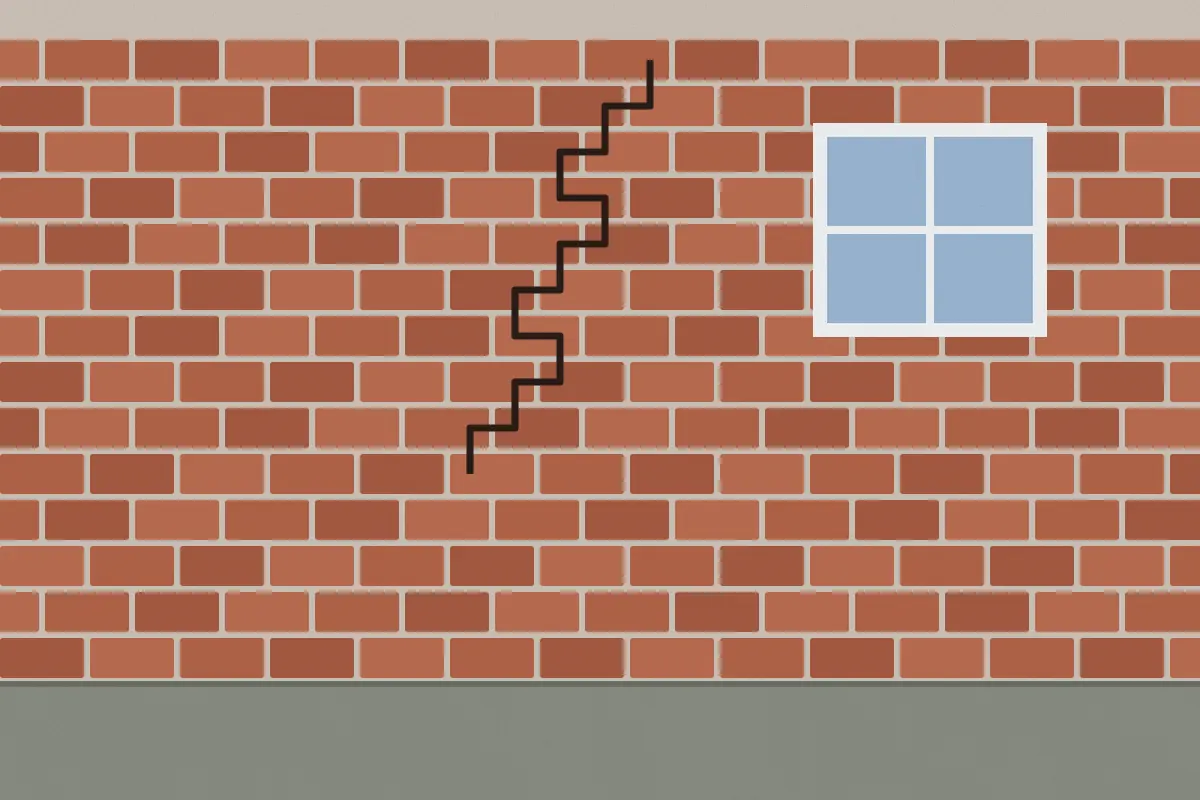
Read about foundation repair, including pier and beam leveling, and our guide to downspout drainage. If you see mold, read about mold removal.
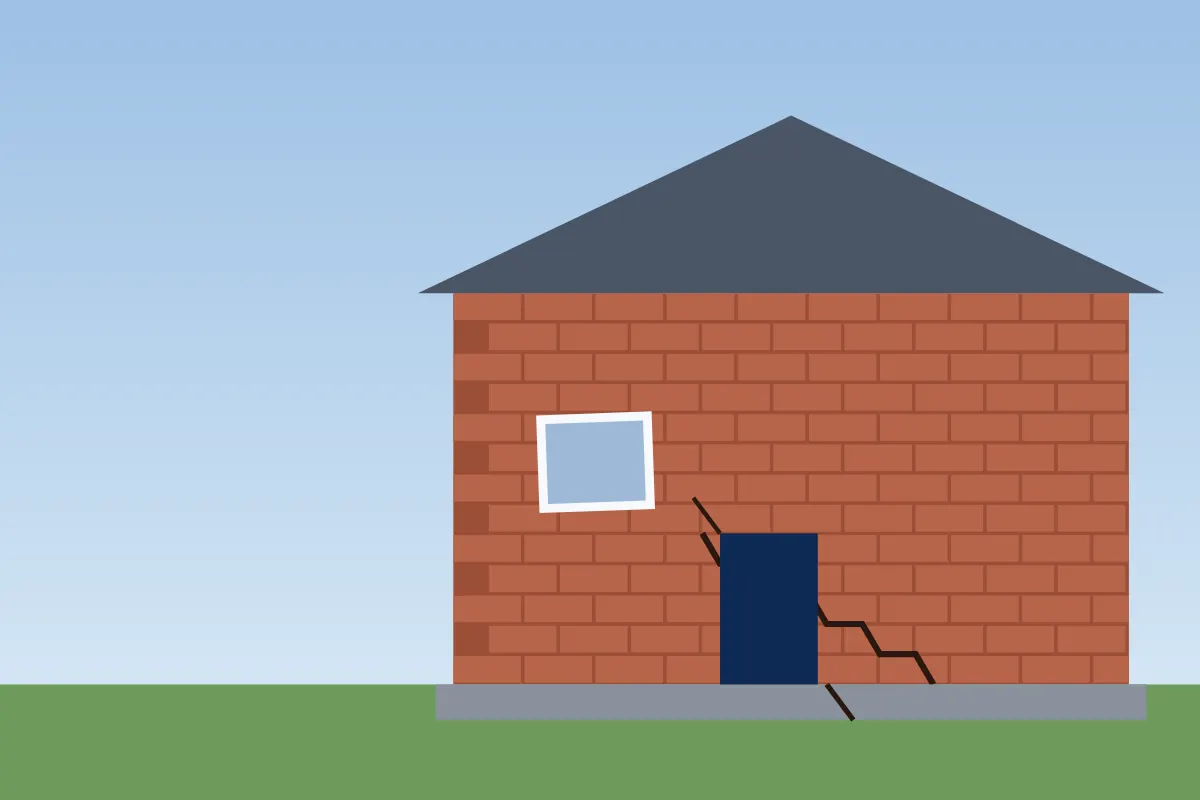
Quick answers
What causes moisture in a crawl space?
Damp ground, humid outside air, poor drainage, plumbing leaks and high groundwater.
Is crawl space moisture a problem?
Yes. It can cause mold, rot, sagging floors, pests and musty smells in the home.
What is crawl space encapsulation?
Sealing the crawl space with a liner and closed vents, and controlling humidity with a dehumidifier.
Is a vapor barrier enough?
It helps a lot, but drainage and humidity control may also be needed, especially in humid climates.
Who fixes a wet crawl space?
A foundation or crawl space company, with a plumber for leaks. Sifixit can connect you with local providers.
Related
This guide covered crawl space moisture. For more background, see the FTC’s advice on hiring a contractor and avoiding home improvement scams, and if you need help, Sifixit can connect you with a local provider.
This guide is general information for homeowners, not professional, insurance or safety advice for your situation.
More helpful guides
- Sagging floors: causes and how they are fixedSagging floors are usually caused by settling or failing supports under the house, joists that are rotted, damaged...
- Basement waterproofing: options and how to chooseBasement waterproofing starts outside, with gutters, downspouts and grading that keep water away.
- Warning signs of foundation problemsSticking doors and windows, cracks above door frames, sloping floors and stair step cracks in brick are the...