Short answer: South Florida floods from heavy rain, hurricanes and high tides, and the porous limestone under the region keeps the water table high. In April 2023, Fort Lauderdale received about 26 inches of rain in one day. Know your flood risk, buy flood insurance early, keep drains clear, move valuables up high before storms, and dry any flooding within a day or two to stop mold.
From Miami to West Palm Beach, South Florida flooding is a fact of life. It does not take a hurricane: a single storm, a king tide or a week of heavy rain can put water in streets, garages and homes. This guide explains why the region floods, how to protect your home and what to do when water gets in.
Why South Florida floods so easily
- Flat, low land: much of the region sits only a few feet above sea level.
- Porous limestone: the rock underground lets water rise from below, so the water table is high.
- Heavy rain: tropical downpours can drop several inches in an hour.
- King tides: the highest tides of the year can flood low coastal streets even on sunny days.
- Hurricanes: storm surge and rain bring the worst flooding.
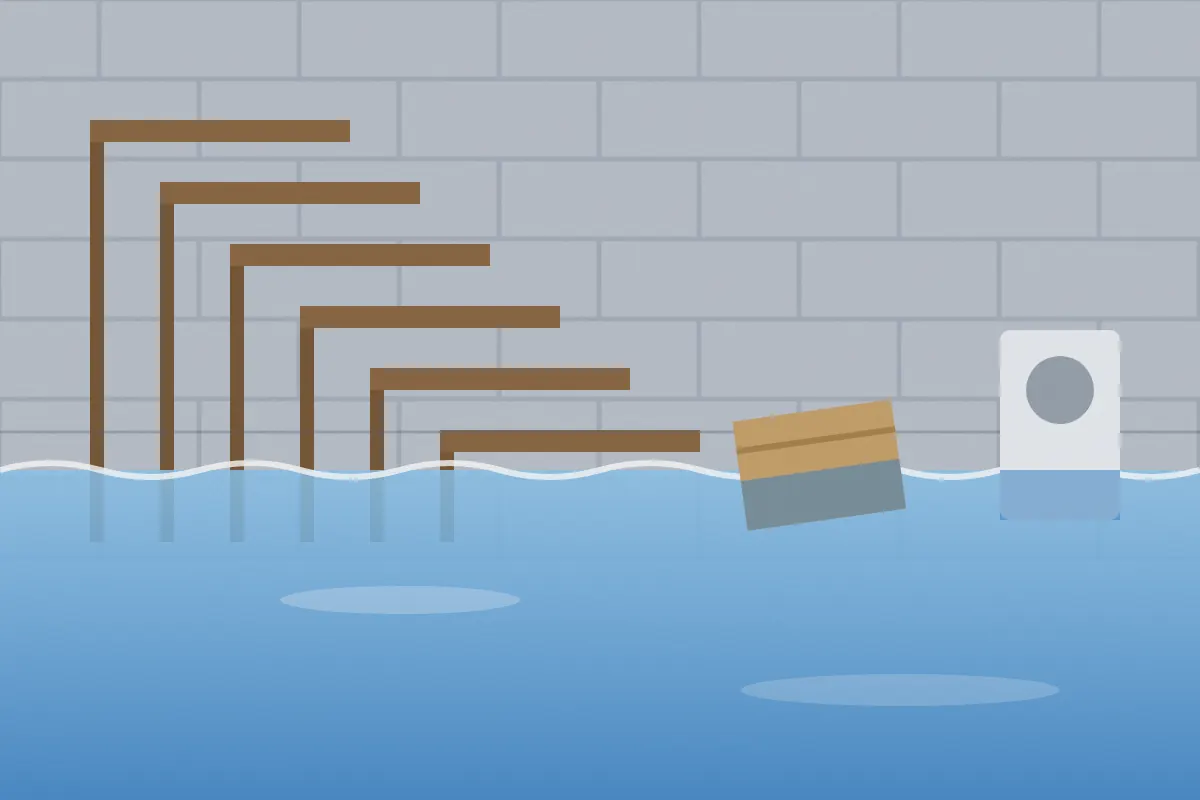
The April 2023 Fort Lauderdale flood
On April 12, 2023, Fort Lauderdale received about 26 inches of rain in a single day, a record for the city. Streets turned into rivers, the airport closed and thousands of homes and cars flooded. It showed that serious flooding can happen without any hurricane.
How to protect your home
- Buy flood insurance early. Standard policies do not cover flooding, and new National Flood Insurance Program policies usually wait 30 days
- Know your flood zone and your elevation
- Keep storm drains, swales and gutters clear
- Raise air conditioning units, water heaters and electrical panels where possible
- Keep sandbags or flood barriers ready if your home has flooded before
- Move cars to higher ground when heavy rain is forecast
After flooding
- Stay out of floodwater, which can be contaminated or electrified.
- Turn off power if water reached outlets and it is safe to do so.
- Photograph everything and call your flood insurer.
- Remove wet carpet, drywall and insulation quickly.
- Dry the home within 24 to 48 hours, because mold grows fast in South Florida humidity.

Condos and flooding
In condo buildings, the association usually handles common areas such as garages, lobbies and building systems, while owners handle their own units. Read who pays for condo water leaks and Florida mold after hurricanes.
Local help in South Florida
- Water damage restoration in Fort Lauderdale, FL
- Water damage restoration in Miami, FL
- Mold removal in Fort Lauderdale, FL
- Mold removal in Hollywood, FL
- Mold removal in Pompano Beach, FL
- Mold removal in West Palm Beach, FL
- Electrical in Boca Raton, FL
- Home services in Fort Lauderdale, FL
Quick answers: south Florida flooding
Why does South Florida flood so easily?
Low, flat land, porous limestone that keeps the water table high, heavy rain, king tides and hurricanes.
Does homeowners insurance cover flooding in Florida?
Usually not. Flooding needs separate flood insurance, and new policies often wait 30 days.
What is a king tide?
The highest tides of the year, which can flood low coastal streets even on sunny days.
How fast does mold grow after a flood in South Florida?
Mold can start within 24 to 48 hours in South Florida’s heat and humidity.
Who helps with flood damage in South Florida?
Sifixit can connect you with local water damage and mold removal providers.
Related
- What to do after a flood
- Florida mold after hurricanes
- Miami condo water leaks
- Water damage restoration in Fort Lauderdale
This guide covered south Florida flooding. For more background, see FEMA’s flood insurance pages, and if you need help, Sifixit can connect you with a local provider.
This guide is general information for homeowners, not professional, insurance or safety advice for your situation.
More helpful guides
- Water leaking from the unit above youWhat to do when water leaks into your apartment or condo from the unit above, and who usually...
- Washing machine flooded the laundry roomWhat to do when a washing machine floods the laundry room, from stopping the water to drying the...
- Water damaged hardwood floors: can they be saved?Often, yes, if the water was clean and drying starts within a day or two.
- What to do after a flood in your homeReturn only when officials say it is safe, keep the power off until an electrician checks it, and...
- Washing machine and appliance leaks: how to prevent and handle themWashing machines, water heaters, dishwashers, refrigerator ice makers and toilets cause many household water damage claims, usually from...
- Can you stay in your house during water damage restorationOften yes, if the damage is limited to a few rooms of clean water, the power is safe...