Short answer: Common signs of termites include mud tubes on foundation walls, piles of discarded wings near windows and doors, wood that sounds hollow or crumbles, blistered or bubbling paint, and small piles of droppings that look like sawdust. If you see any of these, have a licensed pest control company inspect the home.
Termites cause billions of dollars of damage to US homes every year, and many homeowners do not know they have them until the damage is serious. Knowing the signs of termites helps you act early.
Common signs of termites
- Mud tubes: pencil width tunnels of soil on foundation walls, piers or in crawl spaces, built by subterranean termites
- Discarded wings: small piles of identical wings near windows, doors and lights, left by swarmers
- Swarmers: flying termites indoors, often in spring
- Hollow wood: wood that sounds hollow when tapped or crumbles easily
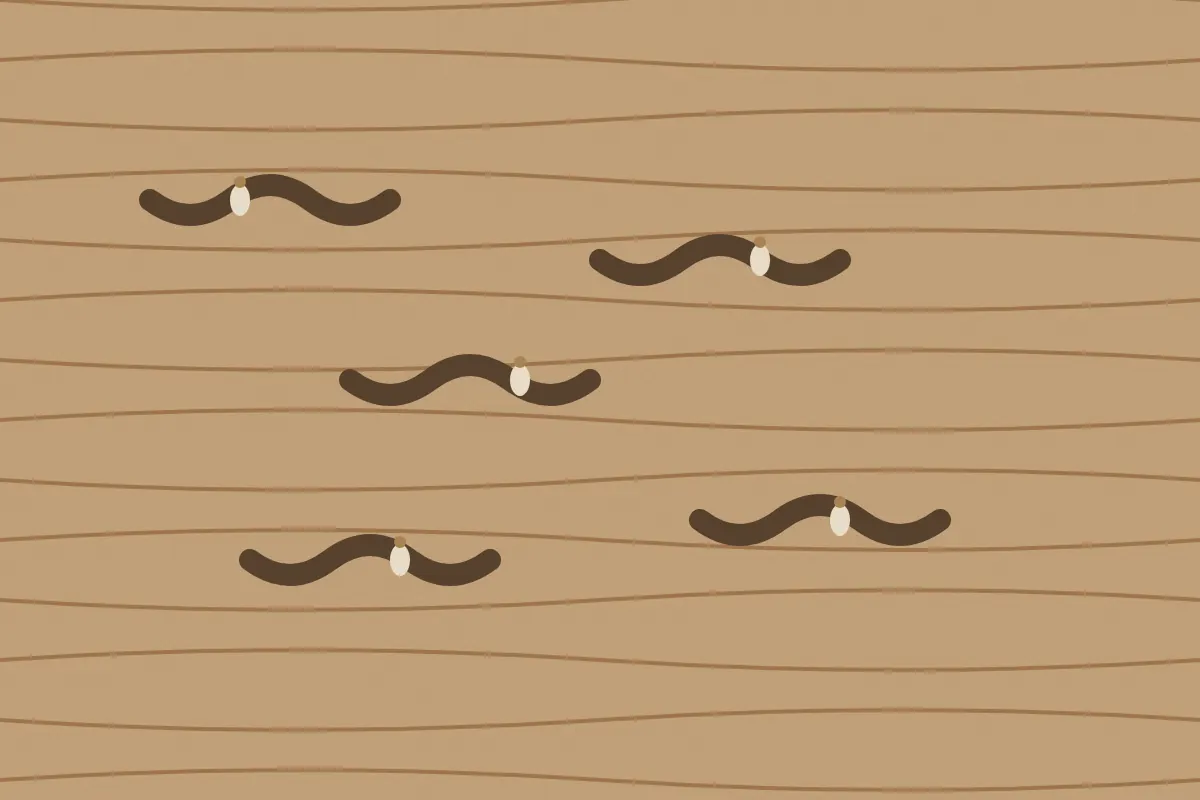
- Frass: tiny droppings that look like sawdust or coffee grounds, left by drywood termites
- Blistered paint or bubbling wood: damage just under the surface
- Sticking doors and windows: as termite damage and their moisture warp frames
Termites or ants?
Flying ants and termite swarmers look similar. Termites have straight antennae, a thick waist and wings of equal length. Ants have bent antennae, a pinched waist and front wings longer than the back wings.
What to do if you find signs
- Do not disturb mud tubes or damaged wood, which can make termites harder to find.
- Take photos and collect a few wings or swarmers in a sealed bag if you can.
- Call a licensed pest control company for an inspection.
- Ask about treatment options and warranties.
- Fix moisture problems, since termites need moisture.
Treatment options
- Liquid termiticide barriers: applied to the soil around and under the foundation
- Bait systems: stations around the home that colonies carry back to the nest
- Wood treatments: applied directly to wood
- Fumigation or heat: sometimes used for drywood termites
Subterranean and drywood termites
Subterranean termites live in the soil and build mud tubes to reach wood. They are the most common type across much of the country. Drywood termites live inside the wood itself, often in attics and furniture, and are more common in warm coastal areas such as parts of Florida and Southern California. The type decides the treatment, so an inspection matters.
Preventing termites
- Keep firewood, lumber and mulch away from the foundation
- Fix leaks and drainage problems
- Keep gutters and downspouts working
- Keep soil and wood siding from touching
- Schedule regular termite inspections, especially in warm, humid states
Read about pest control, and if damaged wood needs repair, siding repair or deck repair.

Quick answers
What are the first signs of termites?
Mud tubes, discarded wings, swarmers indoors, hollow sounding wood and frass that looks like sawdust.
How do I tell termites from flying ants?
Termites have straight antennae, a thick waist and equal wings. Ants have bent antennae, a pinched waist and unequal wings.
Does homeowners insurance cover termite damage?
Usually not, because it is considered preventable. Regular inspections help.
How are termites treated?
With liquid soil barriers, bait systems, wood treatments or, for drywood termites, fumigation or heat.
Who treats termites?
A licensed pest control company. Sifixit can connect you with a local provider.
Related
This guide covered signs of termites. For more background, see the EPA’s pest control advice, and if you need help, Sifixit can connect you with a local provider.
This guide is general information for homeowners, not professional, insurance or safety advice for your situation.