Short answer: Stay safe, stop the water, take photos, call your insurer and get the home drying as fast as possible. What you do in the first day decides how much can be saved.
Water damage feels overwhelming, but the first day follows a clear order. Here is what to do, hour by hour.
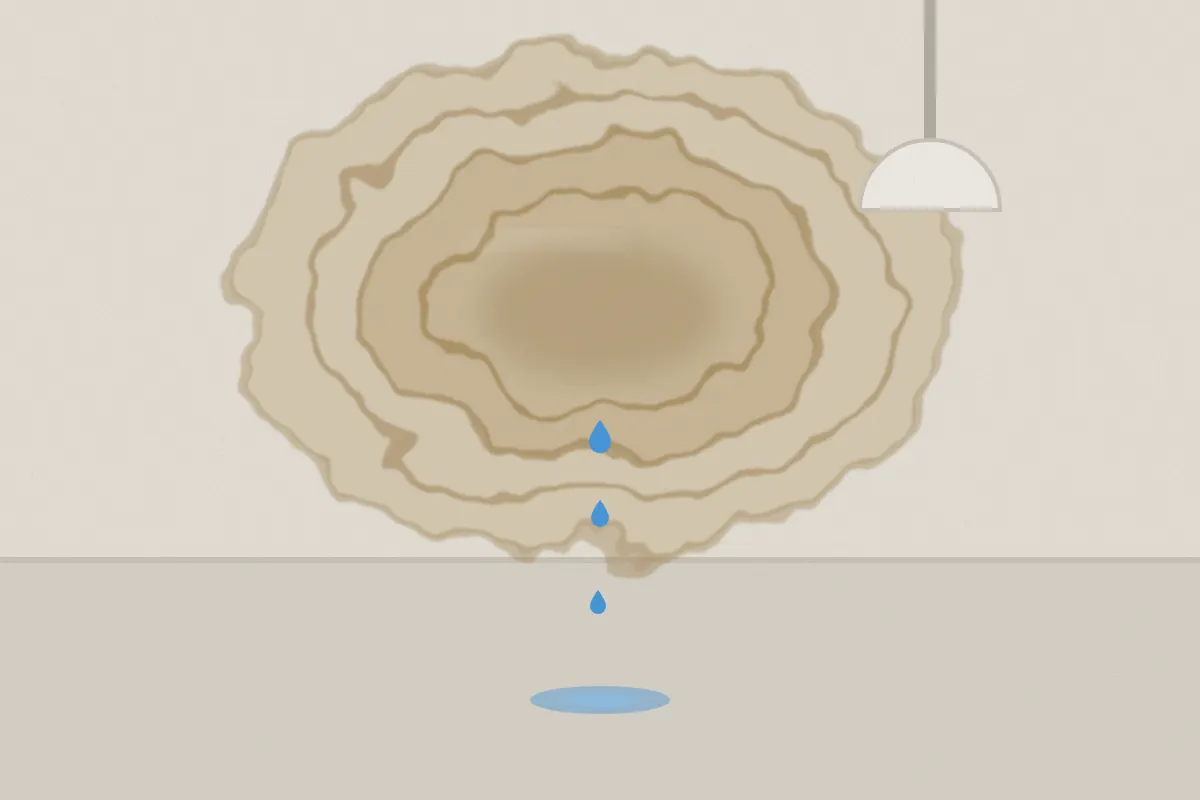
In the first hour
If water is near outlets or the fuse box, or you smell gas, stay out of the area. Switch the power off at the main panel only if you can reach it safely and dry.
Safety and stopping the water come before everything else.
- Stay out of standing water near anything electrical
- Shut off the main water valve if the leak is from a pipe
- Turn off the water heater once the water is off
- Move people and pets away from wet areas
- Unplug and move electronics if it is safe
In the first few hours
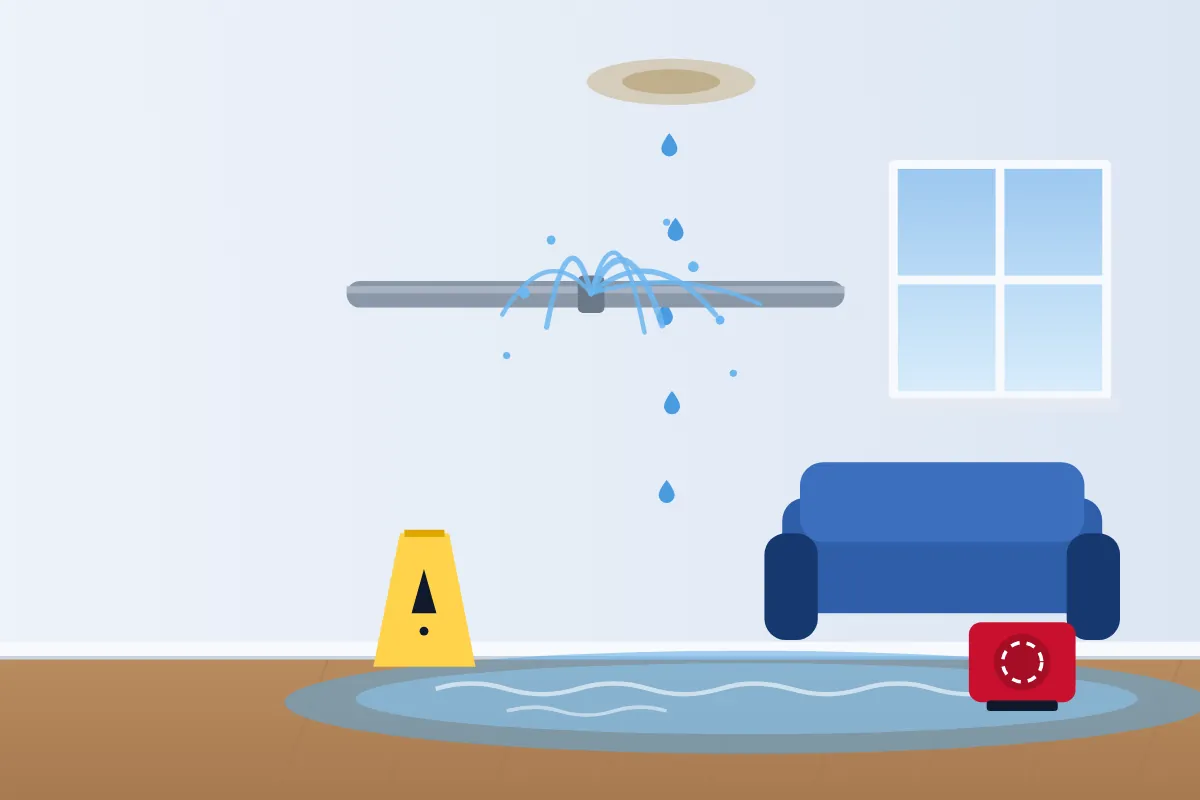
Now record the damage and start protecting what you can.
- Take photos and video of every wet area before cleaning
- Call your insurer and note the claim number
- Call a water damage restoration provider
- Lift rugs, furniture and boxes off wet floors
- Put foil under furniture legs on wet carpet
By the end of the day
Getting air moving and moisture out is what prevents mold.
- Open windows if the air outside is dry
- Remove standing water with towels or a wet vacuum if it is clean water
- Do not use a normal household vacuum on water
- Keep damaged items for the adjuster, or photograph them first
- Keep receipts for everything you spend
Why speed matters
The Environmental Protection Agency advises that mold can begin to grow on damp materials within 24 to 48 hours. Drywall, carpet pad and insulation hold water long after the surface looks dry, which is why professional drying equipment and moisture readings matter.
Mistakes to avoid
- Walking into water near outlets or the fuse box
- Waiting to see if it dries on its own
- Using a normal household vacuum on water
- Running fans at dirty water, which spreads contamination
- Throwing items away before photographing them
When to call a professional
Call a restoration provider when water has soaked into drywall, carpet, insulation or a sub floor, when it came from a drain, toilet or outside, or when more than one room is affected. Providers measure moisture inside walls and floors and dry them properly, which is what prevents mold and hidden damage.
Frequently asked questions
Can I dry water damage myself?
A small clean water spill that is dried within a few hours usually can be. Anything soaked into walls, floors or ceilings needs professional drying equipment.
Should I call my insurer or a restoration company first?
Stop the water first, then call both. Your policy likely expects you to take reasonable steps to prevent more damage.
Is it safe to stay in the house?
Often yes, if the power is safe and the damage is limited. Dirty water, sewage or electrical risks may mean staying elsewhere.
What should I throw away?
Food, medicine and porous items soaked by dirty water. Photograph everything first for your insurer.
Related
Read our water damage restoration guide and our guide to water damage insurance claims.
Sifixit is a free referral service and does not provide home services. Calls may be answered by a partner call center or connected directly to independent local providers, who are solely responsible for their work, pricing, licensing and insurance.