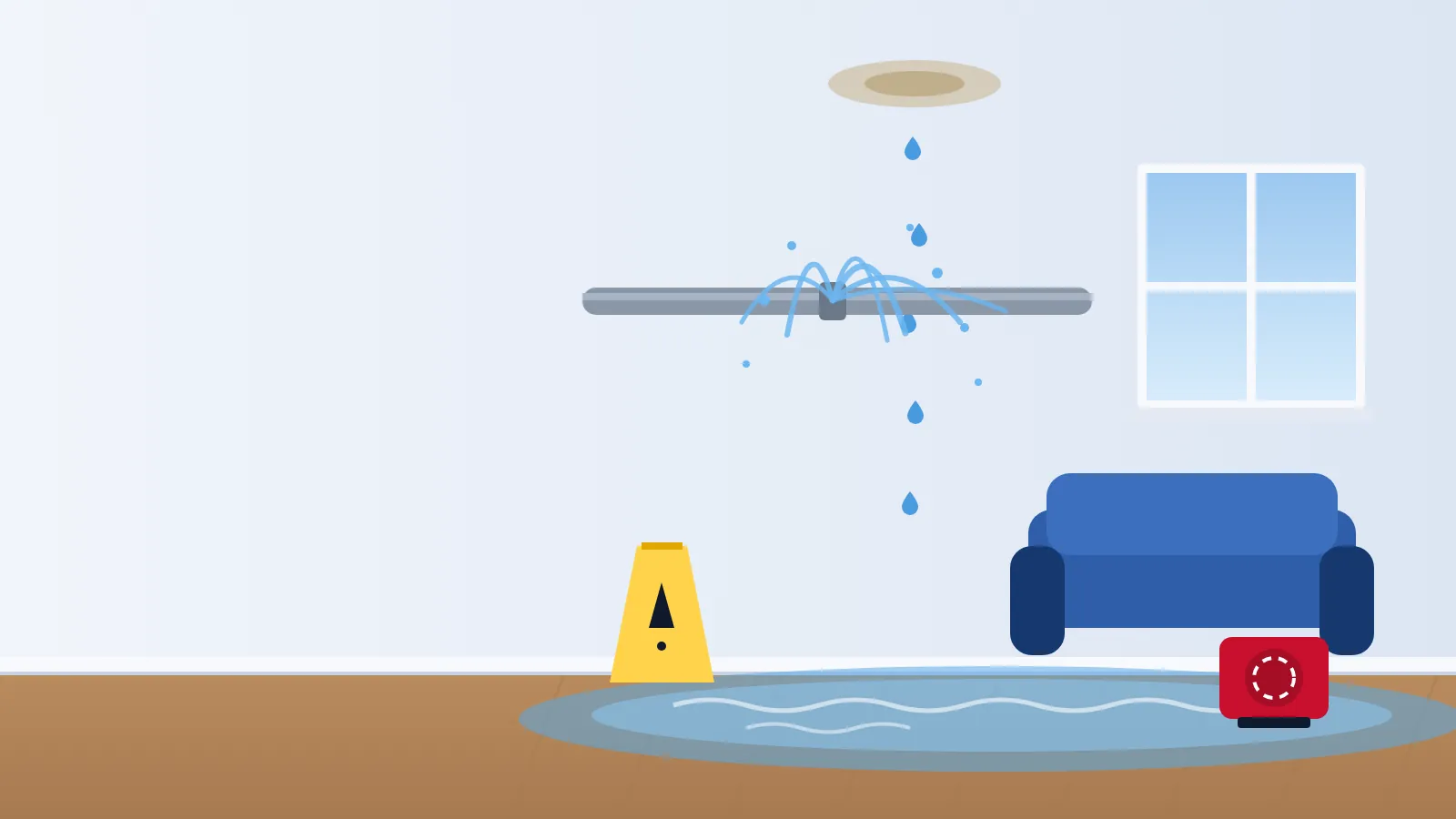
A water damage insurance claim is easier when you know what your insurer needs and act quickly. Most policies expect you to take reasonable steps to stop further damage, and good records make the difference between a smooth claim and a slow one.
Sifixit is a free referral service. Call the number on this page and you will be connected with an independent water damage restoration provider where one serves your area. Calling costs nothing and you are never obliged to hire anyone.
When to make a claim
Consider calling your insurer when any of these apply.
- A burst pipe, failed appliance or other sudden leak
- Water damage from a storm that damaged the roof or windows
- Damage that costs more than your deductible to fix
- Damage to belongings as well as the building
- A home you cannot live in while repairs are made
- Damage that could lead to mold if not handled quickly

What to do right now
Your first job is to stop the water safely. Most policies require you to take reasonable steps to prevent more damage, such as shutting off the water and arranging drying.
- Stop the water at the main valve if you can
- Take photos and video of every wet area before cleaning
- Call your insurer and note the claim number and the name of the person you spoke to
- Arrange drying quickly to prevent further damage
- Keep damaged items, or photograph them before throwing them away
- Keep receipts for everything you spend
What policies usually cover
Usually covered
Sudden and accidental water damage from inside the home, such as a burst pipe or a failed water heater.
Often not covered
Damage from slow leaks, poor maintenance or long term seepage.
Needs flood insurance
Rising water from outside, such as a river, street flooding or storm surge.
Often needs an add on
Sewer backup and sump pump overflow, which many policies only cover with an endorsement.
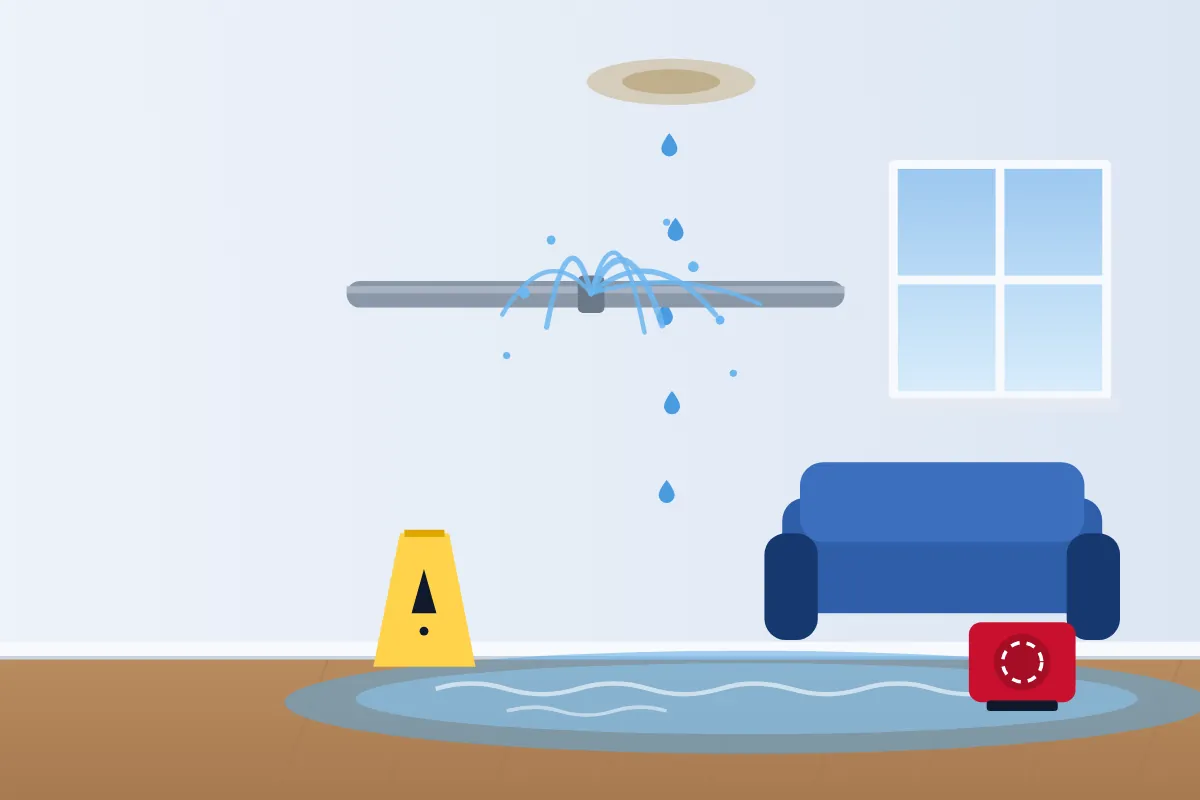
How a claim usually works
- You report the damage to your insurer and get a claim number.
- You take steps to stop further damage and keep records of what you spend.
- An adjuster inspects the damage, often with the restoration provider’s photos and moisture readings.
- The insurer reviews the claim against your policy and your deductible.
- Payment is made, and repairs are completed.
Tips for a smoother claim
- Read your policy for water, mold and sewer backup limits
- Keep a written log of every call and email with your insurer
- Ask for any decision in writing
- Get your own written quotes to compare with the adjuster’s estimate
- In most states you can hire a licensed public adjuster, who charges a share of the claim
Questions to ask before you hire
- Will you document moisture readings and photos for my adjuster?
- Can you work with my insurance company directly?
- What happens if the adjuster’s estimate is lower than your quote?
- Do I have to sign anything that hands my claim to you? Read any such document carefully.
- Will your invoice list each item clearly?
Frequently asked questions
How long do I have to report water damage?
Policies usually require prompt notice. Call your insurer as soon as you can, and check your policy for any deadlines.
Will my premium go up after a claim?
It can. Some homeowners pay small repairs themselves for this reason. Ask your agent before deciding.
What if my claim is denied?
Ask for the reason in writing and check it against your policy. You can appeal, and your state insurance department can help with complaints.
Do I have to use the insurer's contractor?
Usually not. You can choose your own provider, but tell your insurer and share the provider’s estimate.
Learn more
Our main water damage restoration guide covers the wider picture, including what affects the cost and when to call a professional.
Sifixit is a free referral service and does not provide home services. Calls may be answered by a partner call center or connected directly to independent local providers, who are solely responsible for their work, pricing, licensing and insurance.