
San Francisco roofs deal with fog, winter storms and a lot of old buildings. Many Victorian and Edwardian homes have flat or low slope roofs behind decorative fronts, and months of damp marine air help moss grow and seams wear out. When the winter rains arrive, every weak spot shows.
Sifixit is a free referral service. Call the number on this page and you will be connected with an independent roofing provider that serves the San Francisco area, where one is available for your ZIP code. Calling costs nothing and you are never obliged to hire anyone.
Roofing challenges in San Francisco
Flat roofs on older homes
Many homes have flat or low slope roofs hidden behind parapets, which need good drainage and sound seams to stay watertight.
Fog and moss
Damp marine air keeps roofs wet for long periods, which helps moss grow and ages roofing materials.
Winter storms
Most rain falls between November and March, and strong storms test drains, flashing and parapet walls.
Earthquakes
A strong earthquake can crack chimneys and shift flashing, opening paths for water.
Areas across San Francisco
Sifixit connects callers across the city of San Francisco, including neighborhoods such as the Mission, the Sunset, the Richmond, Noe Valley, Bernal Heights, Pacific Heights and the Excelsior, and in nearby cities such as Daly City, South San Francisco, Oakland, Berkeley and San Mateo.
Sifixit does not have an office or staff in San Francisco. Providers you speak to are independent local businesses, and availability depends on your ZIP code and the job.

Permits and local rules
Cleanup itself does not usually need a permit, but the repairs that follow often do. Inside the city of San Francisco, larger drywall, electrical and plumbing repairs can require permits from the San Francisco Department of Building Inspection. Homes in other cities, such as Daly City, Oakland or San Mateo, follow the rules of that city or county.
In California, most construction and repair work above a small dollar amount must be done by a contractor licensed by the Contractors State License Board. You can check a license on the board’s website.
Seasonal risks in San Francisco
Never climb onto a roof during wind, rain or ice. After a storm, watch for fallen power lines and call 911 if anyone is in danger.
- Before November: clear roof drains and check seams ahead of the rain.
- November to March: storms reveal leaks.
- Summer fog: keeps roofs damp and helps moss grow.
- Any time: earthquakes can damage chimneys and flashing.
Be prepared
- Clear roof drains and scuppers before the rainy season
- Check parapet walls and flashing for cracks
- Remove moss before it lifts roofing
- Have chimneys checked after any earthquake
- Check top floor ceilings after heavy storms
Learn more before you call
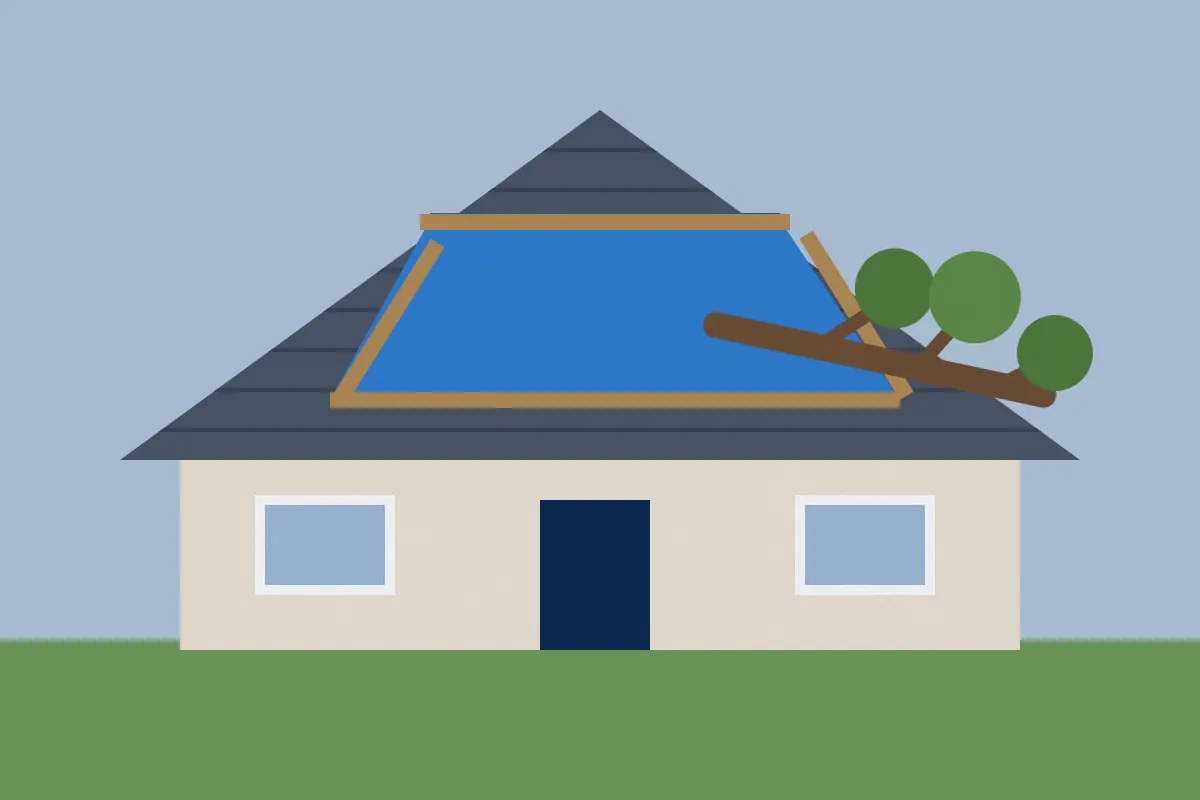
Our main roofing guide explains the warning signs, what affects the cost, what you can safely handle yourself and the questions to ask before you hire. It applies in San Francisco just as it does everywhere else.
San Francisco questions
Do I need a permit for a new roof in San Francisco?
Yes, reroofing usually needs a permit from the San Francisco Department of Building Inspection. Homes in historic districts may also need planning review for visible changes.
What kind of roof do older San Francisco homes have?
Many have flat or low slope roofs with membrane, modified bitumen or tar and gravel covers, often hidden behind a decorative front.
Do roofers need a license in California?
Most roofing work above a small dollar amount must be done by a contractor licensed by the Contractors State License Board.
Does Sifixit have an office in San Francisco?
No. Sifixit is a referral service. Providers you speak to are independent local businesses that serve the San Francisco area.
Sifixit is a free referral service and does not provide home services. Calls may be answered by a partner call center or connected directly to independent local providers, who are solely responsible for their work, pricing, licensing and insurance.