Short answer: Many Bay Area homes, from San Francisco Victorians to older San Jose bungalows, were built long before modern earthquake, electrical and energy codes. Have older homes checked for seismic weak spots such as unbolted foundations and soft stories, update old wiring and panels before adding EV chargers or heat pumps, and get permits for structural and electrical work.
Bay Area older homes have beautiful details, but they also face earthquakes, aging wiring and the demands of all electric living. The 1989 Loma Prieta earthquake showed how vulnerable older buildings can be. This guide covers the main issues and updates.
Earthquake weak spots in older homes
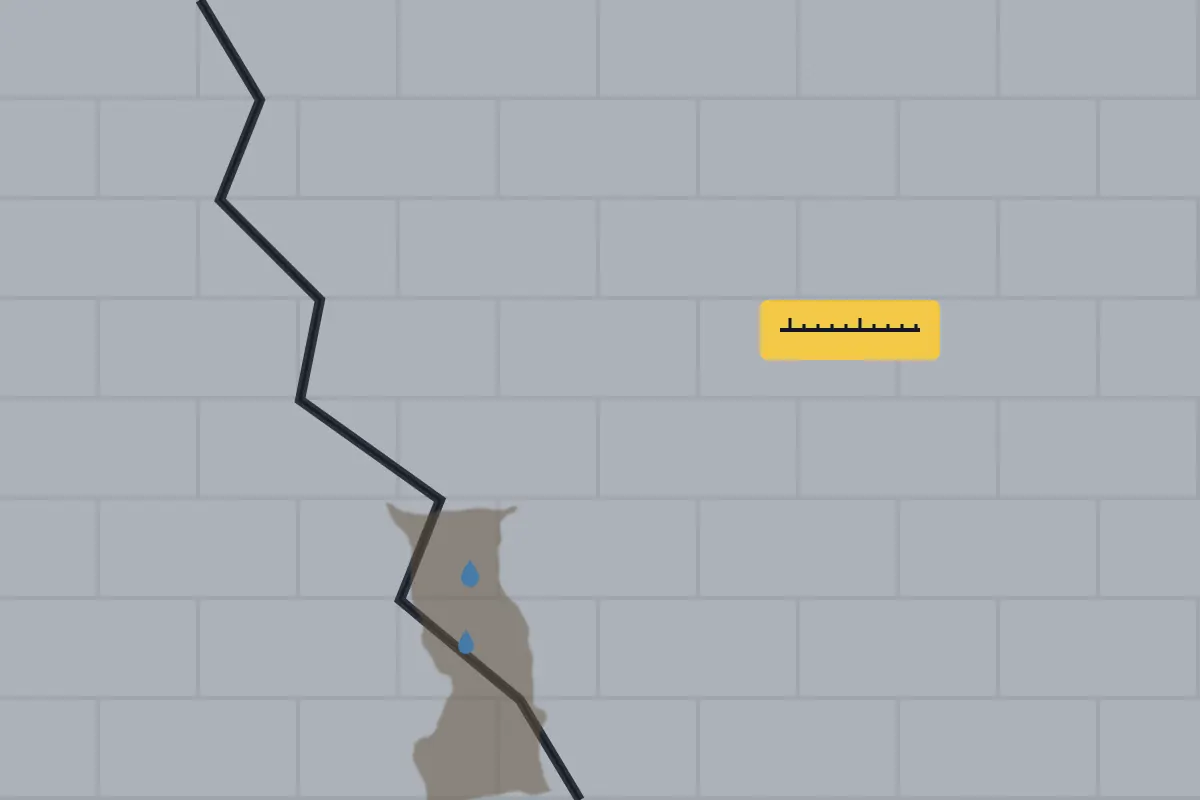
- Unbolted foundations: older wood homes may not be bolted to their foundations.
- Cripple walls: short walls in crawl spaces that can collapse without bracing.
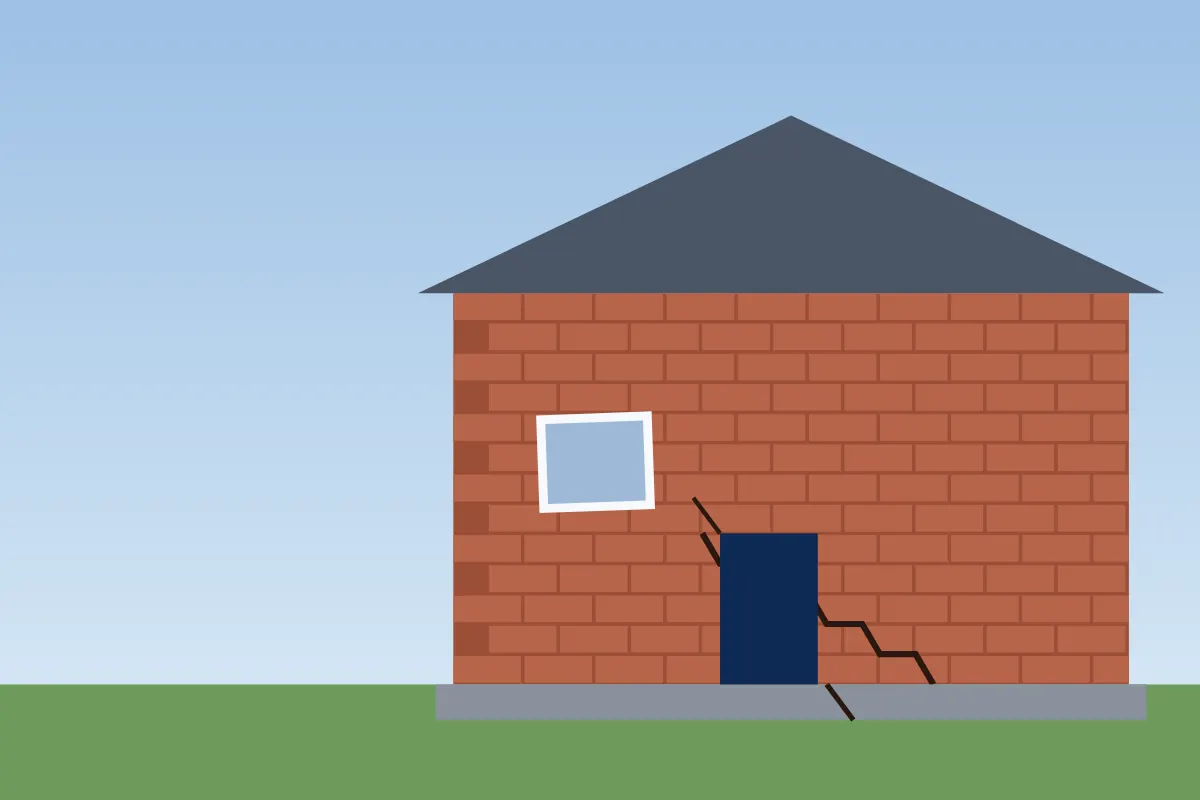
- Soft stories: ground floors with garages or large openings that can fail. San Francisco’s mandatory soft story program required many older wood buildings to be retrofitted.
- Brick chimneys: unreinforced chimneys can crack and fall.
Older wiring and all electric upgrades
- Knob and tube wiring in older Victorians and Edwardians
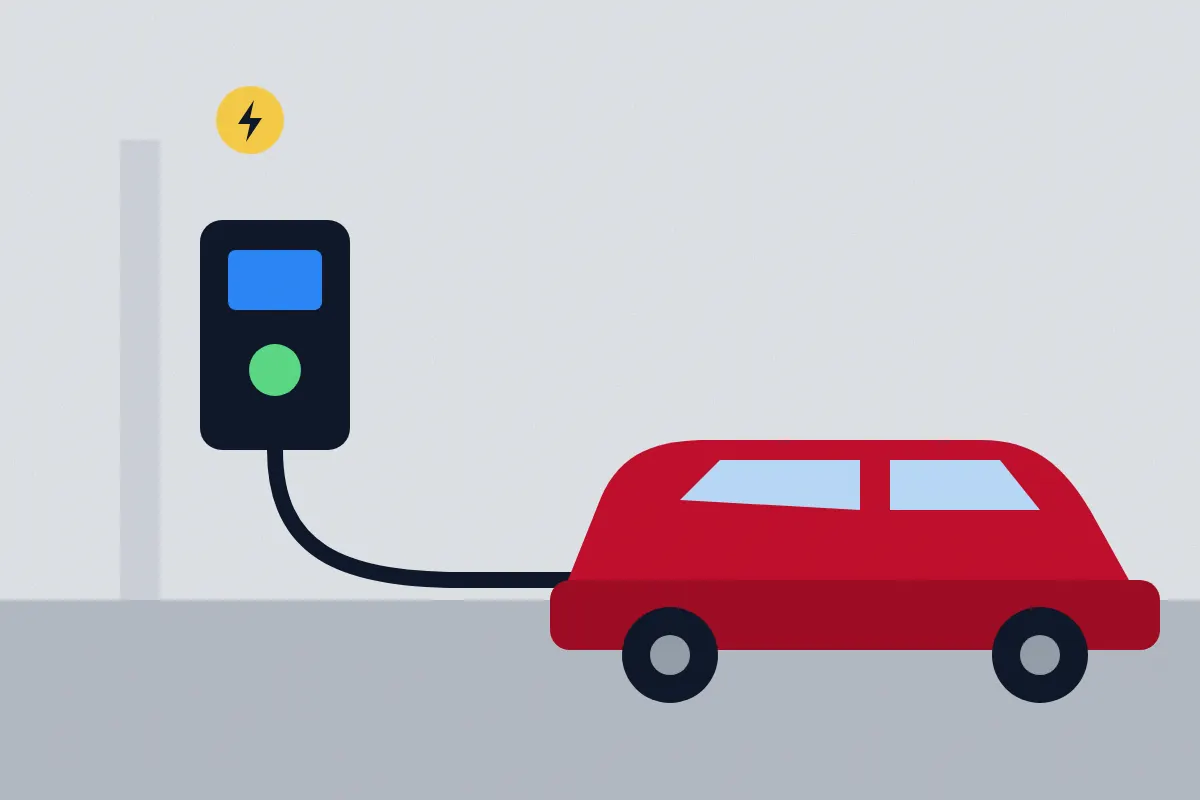
- Small panels that cannot support EV chargers, heat pumps or induction cooking
- PG&E power shutoffs during high fire risk, which make backup power popular
- San Jose has some of the highest electric vehicle ownership in the country
Read signs of dangerous wiring and whole house surge protection.
Fog, moisture and roofs
Coastal fog and winter storms keep roofs, siding and wood damp in parts of San Francisco. Older roofs and flat roofs on row houses need regular checks, and moisture can lead to rot and mold in crawl spaces.
Permits and licensing
Structural, electrical and plumbing work needs permits, from the Department of Building Inspection in San Francisco and the Building Division in San Jose. California contractors are licensed by the Contractors State License Board.

Local help in the Bay Area
- Biohazard cleanup in San Francisco, CA
- Roofing in San Francisco, CA
- Electrical in San Jose, CA
- Home services in San Francisco, CA
Quick answers: bay Area older homes
Is my older Bay Area home safe in an earthquake?
Older homes may need foundation bolting, cripple wall bracing or soft story work. A structural engineer or experienced contractor can check.
What is a soft story building?
A building with a weak ground floor, often with garages or large openings, that can fail in an earthquake.
Can my old panel handle an EV charger?
Often not without an upgrade. An electrician can do a load calculation.
Do contractors need a license in California?
Yes. The Contractors State License Board licenses contractors.
Who works on older Bay Area homes?
Sifixit can connect you with local roofing, electrical and cleanup providers.
Related
This guide covered bay Area older homes. For more background, see the FTC’s advice on hiring a contractor and avoiding home improvement scams, and if you need help, Sifixit can connect you with a local provider.
This guide is general information for homeowners, not professional, insurance or safety advice for your situation.
More helpful guides
- Sagging floors: causes and how they are fixedSagging floors are usually caused by settling or failing supports under the house, joists that are rotted, damaged...
- Basement waterproofing: options and how to chooseBasement waterproofing starts outside, with gutters, downspouts and grading that keep water away.
- Crawl space moisture: causes, problems and fixesCrawl space moisture comes from damp ground, outside humid air, plumbing leaks and poor drainage.
- Warning signs of foundation problemsSticking doors and windows, cracks above door frames, sloping floors and stair step cracks in brick are the...