San Diego has seen some of the largest wildfires in California history, and homes near canyons and open land face real risk when Santa Ana winds blow. Everyday kitchen and electrical fires happen all year too. After any fire, smoke, soot and ash need careful cleanup before a home is safe again.
Sifixit is a free referral service. Call the number on this page and you will be connected with an independent fire damage restoration provider that serves the San Diego area, where one is available for your ZIP code. Calling costs nothing and you are never obliged to hire anyone.
Fire risks in San Diego
Wildfire history
The 2003 Cedar Fire and the 2007 Witch Fire each destroyed more than a thousand homes in San Diego County. Areas like Scripps Ranch and Rancho Bernardo were among those hit.
Santa Ana winds
Hot, dry Santa Ana winds usually blow in fall and early winter. They can push a small fire through canyons and into neighborhoods very quickly.
Canyons in the city
Many San Diego neighborhoods back onto brush filled canyons. California law requires defensible space, usually 100 feet of cleared or managed vegetation around a home.
Cooking and everyday fires
Cooking is the leading cause of home fires in the United States, and kitchen fires leave greasy residue well beyond the stove.
Wildfire smoke and ash in San Diego homes
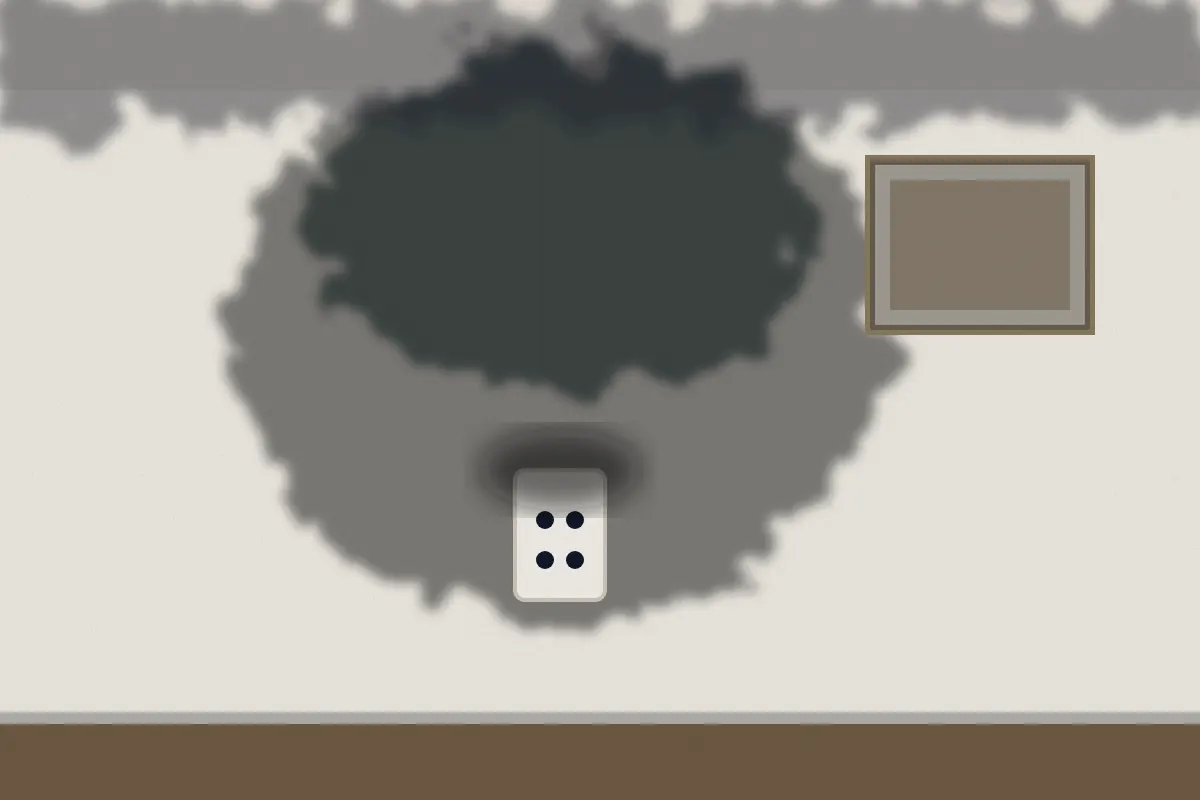
Many San Diego homes have smoke damage without ever being touched by flames. When Santa Ana winds push a wildfire toward the city, as in the Cedar fire of 2003 and the Witch Creek fire of 2007, smoke and fine ash get into attics, vents and closets across whole neighborhoods. A house fire next door can do the same on a smaller scale.
- Gray ash on windowsills, patios and inside the garage
- A smoke smell that returns when the AC or heat runs
- Soot around vents, outlets and light fixtures
- Stained or yellowed walls and ceilings
- Ash in the attic insulation
Our guide on wildfire smoke damage in your home and our smoke cleaning page explain how each one is handled.
The fire and smoke restoration process, step by step
- Inspection: the crew checks how far fire, heat, smoke and water spread and writes the scope for your insurer.
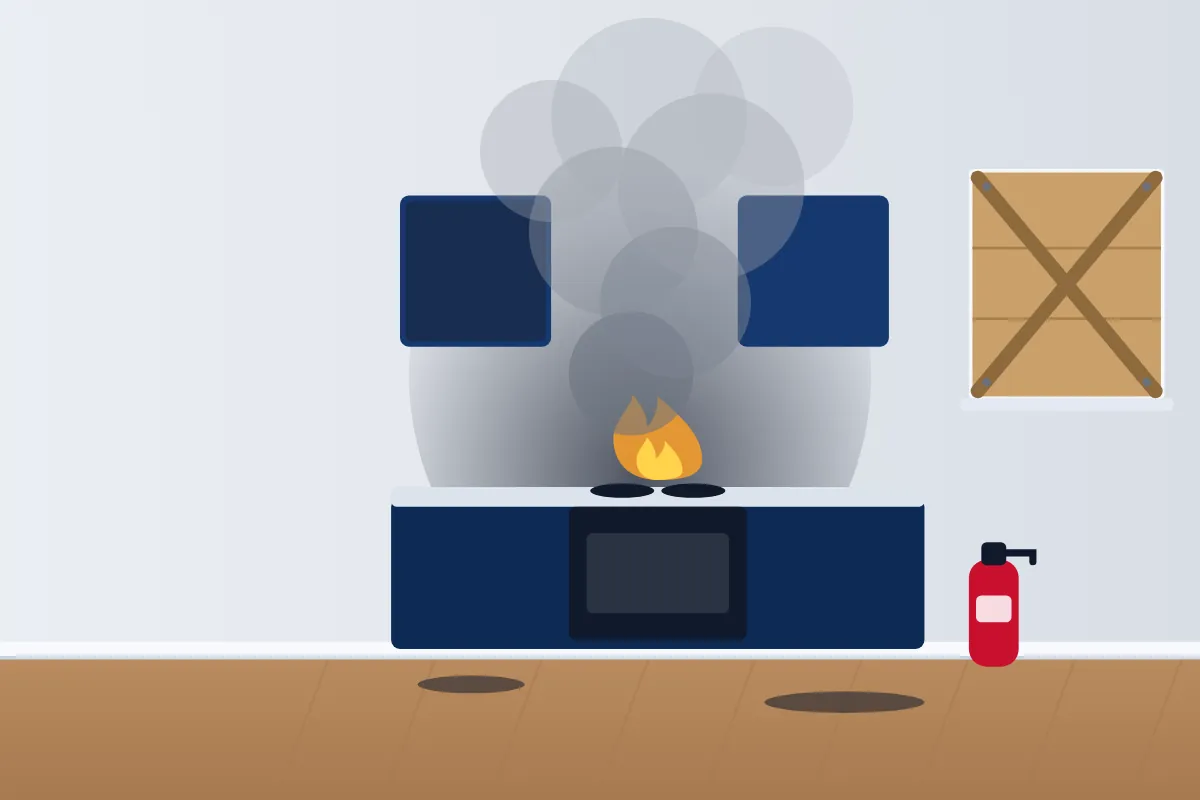
- Securing the home: windows and doors are boarded and roof openings tarped.
- Water removal and drying: water from firefighting is extracted and the structure dried.
- Soot and ash removal: dry soot and ash are lifted first with HEPA vacuums and dry sponges, then surfaces are washed.
- HVAC and duct cleaning: filters are replaced and ducts cleaned so smoke is not blown back into the house.
- Odor removal: thermal fogging, hydroxyl or ozone treatment (ozone only in an empty home), and sealing stained surfaces.
- Contents cleaning: clothes, furniture, electronics and documents are cleaned on site or packed out.
- Repairs: damaged drywall, insulation, flooring and roofing are replaced, with permits from the city or county.
Health and air quality after a fire
Ash and soot contain fine particles that irritate the lungs, eyes and skin, and are a bigger risk for children, older adults and people with asthma or heart disease. During and after a wildfire, check the San Diego County Air Pollution Control District for air quality alerts. Do not use a leaf blower or dry sweep ash, which puts it back in the air. Wear gloves and a well fitted N95 mask, wet ash lightly before cleaning it up, and keep the AC off until the filter is changed. Our guide is soot dangerous explains more.
What to do right after a fire in San Diego
- Do not go back in until San Diego Fire and Rescue, or CAL FIRE in county areas, says it is safe.
- Call your insurer and start a claim.
- Photograph every room and damaged item before anything is moved.
- Keep the AC off until the filter is replaced.
- Do not wipe soot with water or turn on wet electrical items.
- Keep receipts for hotels, meals and supplies.
- Call a fire and smoke restoration company to secure the home and start cleanup.
In California, many homes in high fire risk areas are insured through the California FAIR Plan. Check what your policy covers for smoke and contents before you need it. Our after a house fire checklist covers each step.
Areas across San Diego
Sifixit connects callers across the city of San Diego, including neighborhoods such as La Jolla, Pacific Beach, North Park, Mission Valley, Clairemont, Rancho Bernardo and Scripps Ranch, and in nearby cities such as Chula Vista, El Cajon, Escondido, Santee, La Mesa, Poway and Oceanside.
Sifixit does not have an office or staff in San Diego. Providers you speak to are independent local businesses, and availability depends on your ZIP code and the job.
Permits and rules after a fire in San Diego
Inside the city, repairs after a fire usually need permits from the City of San Diego Development Services Department, especially for electrical work, framing, roofing and anything structural. Homes in the county outside city limits go through the County of San Diego. Ask your restoration company to pull permits in the owner’s name only if you understand what that means for you.
California requires contractors to hold a license from the Contractors State License Board for most repair work over a small dollar limit. You can look up any license number on the CSLB website before you sign.
Many San Diego homes sit in high fire hazard zones near canyons. If you rebuild, newer fire safe building rules can apply to roofs, vents, siding and windows, which can change the price.
Fire and smoke risks across the San Diego year
- Fall: Santa Ana winds bring hot, dry air and the highest wildfire danger. Smoke from a fire miles away can still get into homes through vents and the attic.
- Summer: dry brush in canyons near neighborhoods such as Scripps Ranch, Tierrasanta and Rancho Bernardo.
- Winter: space heaters and fireplaces on the few cold nights.
- All year: kitchen fires, dryer fires and lithium battery fires from e bikes and scooters.
Be prepared
- Keep defensible space clear around your home and follow San Diego Fire Rescue brush rules
- Clear dry leaves from gutters and roofs before fire season
- Change heating and cooling filters after heavy smoke days
- Test smoke alarms every month
- Keep a photo record of each room for insurance
Before you call in San Diego
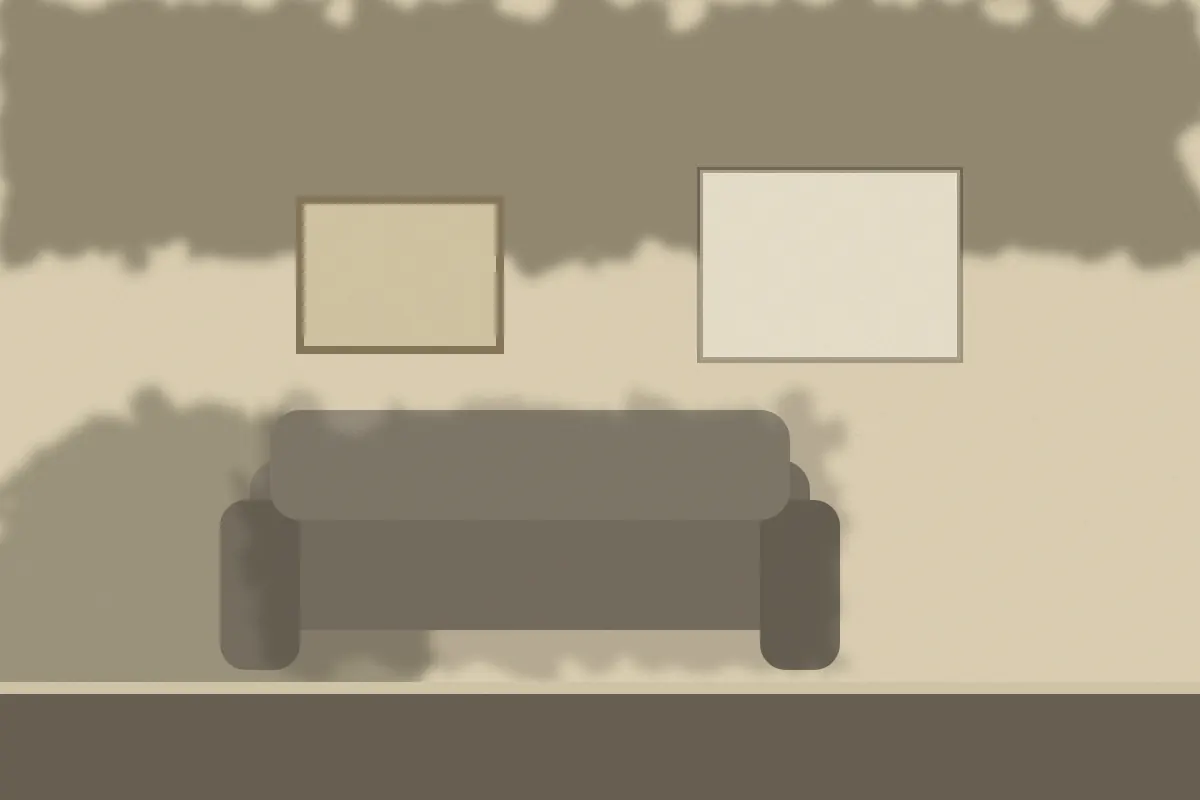
If smoke came from a wildfire rather than a fire in your home, say so. Wildfire smoke cleanup focuses on ash, the attic, the HVAC system and soft furnishings. Our fire damage restoration guide covers both, and the cost page has a calculator.
Questions from San Diego
Does homeowners insurance cover wildfire smoke damage in San Diego?
Usually yes, if you have a standard policy and the smoke caused real damage such as soot, ash or odor. Some San Diego homeowners have the California FAIR Plan instead, which has different coverage, so read your policy and document the damage with photos.
How do I clean wildfire ash from my San Diego home?
Wear an N95 mask and gloves, do not use a leaf blower, and wet ash lightly before sweeping outside. Inside, a HEPA vacuum is safer than a broom. If ash got into the attic or ducts, a restoration company should clean them.
Who can I call for fire damage restoration in San Diego?
Call the number on this page. Sifixit connects you with an independent fire damage restoration company serving San Diego, from the coast to the inland neighborhoods, where one is available for your ZIP code.
Do I need a licensed contractor for fire repairs in California?
For most repair work, yes. Check the license on the Contractors State License Board website before you sign a contract or pay a deposit.
Is it safe to stay home if wildfire smoke got inside?
It depends on how much got in. Keep windows closed, run an air purifier with a HEPA filter, and change the HVAC filter. If there is visible soot or a strong smell, ask for an inspection before sensitive family members stay.
Does insurance cover smoke damage from a wildfire?
Many homeowners policies cover smoke and ash damage from a nearby wildfire, even if the home did not burn. If you cannot find private coverage, the California FAIR Plan is the insurer of last resort.
Is it safe to clean wildfire ash myself?
Small amounts can be cleaned with care. Wear gloves and a well fitting N95 mask, dampen the ash and avoid sweeping or leaf blowers. Heavy ash inside is better left to a professional.
Do I need a permit for repairs after a fire?
Most repairs beyond cleaning need permits from the City of San Diego Development Services Department, or from your own city if you live outside San Diego.
Looking for fire damage restoration San Diego? Call the number on this page to be connected with an independent local provider. For more background, see the National Fire Protection Association.
This site is a free service to assist homeowners in connecting with local service contractors. All contractors are independent and this site does not warrant or guarantee any work performed. It is the responsibility of the homeowner to verify that the hired contractor furnishes the necessary license and insurance required for the work being performed. All persons depicted in a photo or video are actors or models and not contractors listed on this site.
Helpful guides
- San Diego storm flooding: protecting your home in heavy rainSan Diego rarely gets heavy rain, which is why storms like the January 2024 flash flood catch so...
- Space heater safety: rules that prevent firesSimple rules for using space heaters safely, from the three foot rule to cords, outlets and sleeping.
- What to throw away after a house fireWhich food, medicine, cosmetics and household items to throw away after a fire, what can often be cleaned,...
- Repair or rebuild after a house fire: how the decision is madeThe decision depends on how much of the structure is damaged, whether the foundation and framing are sound,...
- Wildfire smoke damage in your home: what to doEven when a wildfire does not reach your home, smoke and ash can get inside, leaving odor, soot...
- Kitchen grease fire: what to do and what never to doTurn off the heat, then smother the flames by sliding a metal lid or baking sheet over the...