San Diego’s mild climate means many homes, especially near the coast, were built without central air. As heat waves become more common, more homeowners are adding central air conditioning and heat pumps. California also has specific rules for replacing heating and cooling systems.
Sifixit is a free referral service. Call the number on this page and you will be connected with an independent heating and cooling provider that serves the San Diego area, where one is available for your ZIP code. Calling costs nothing and you are never obliged to hire anyone.
Heating and cooling challenges in San Diego
Homes without central air
Many coastal homes were built without air conditioning, and adding central air often means checking or adding ductwork.
Heat waves inland
Inland neighborhoods get much hotter than the coast, and heat waves push systems hard.
Heat pumps
Efficient heat pumps that heat and cool are common choices for new systems.
California rules
California’s energy code usually requires a permit for system replacements, and often a duct leakage test.
Areas across San Diego
Sifixit connects callers across the city of San Diego, including neighborhoods such as La Jolla, Pacific Beach, North Park, Mission Valley, Clairemont, Rancho Bernardo and Scripps Ranch, and in nearby cities such as Chula Vista, El Cajon, Escondido, Santee, La Mesa, Poway and Oceanside.
Sifixit does not have an office or staff in San Diego. Providers you speak to are independent local businesses, and availability depends on your ZIP code and the job.

Permits and local rules
Cleanup itself does not usually need a permit, but the repairs that follow often do. Inside the city of San Diego, larger drywall, electrical and plumbing repairs can require permits from the City of San Diego Development Services Department. Homes in other cities, such as Chula Vista, Escondido or Poway, follow the rules of that city or county.
In California, most construction and repair work above a small dollar amount must be done by a contractor licensed by the Contractors State License Board. You can check a license on the board’s website.
Seasonal risks in San Diego
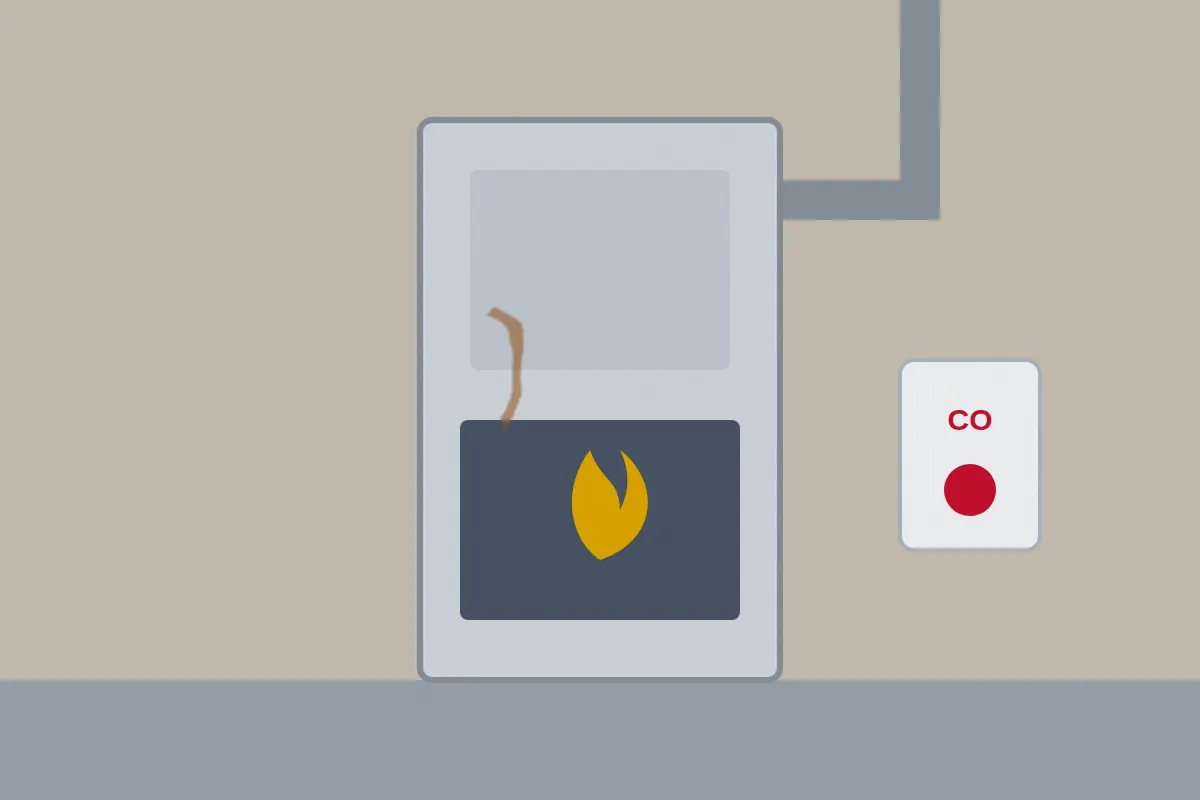
If a carbon monoxide alarm sounds or you smell gas, leave the home and call 911. In extreme heat or cold, move vulnerable people somewhere safe first.
- Late summer and fall: the hottest weeks and heat waves.
- Santa Ana winds: hot, dry winds raise cooling demand.
- Winter: mild, but heating is still needed on cold nights.
- Spring: a good time to plan new installations.
Be prepared
- Have systems checked before late summer
- Have your ducts checked before adding or replacing central air
- Make sure any replacement has a permit
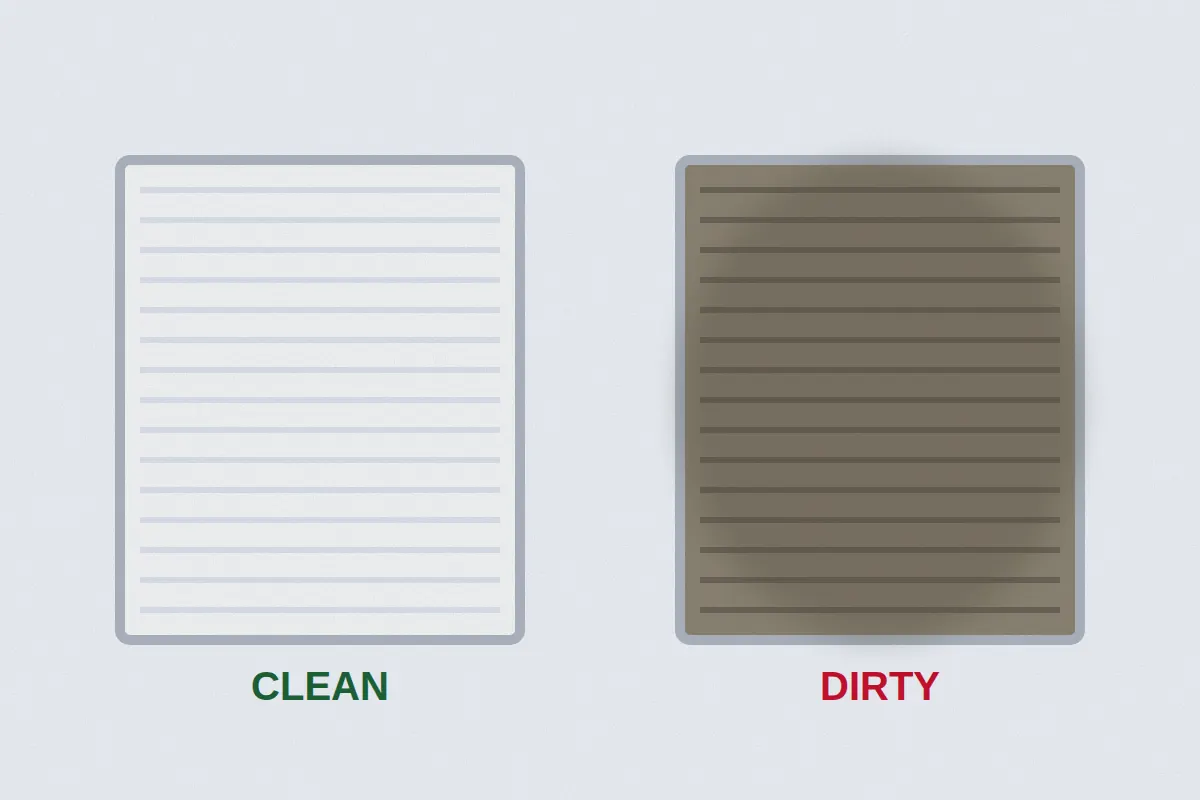
- Change filters regularly, more often during wildfire smoke
Learn more before you call
Our main heating and cooling guide explains the warning signs, what affects the cost, what you can safely handle yourself and the questions to ask before you hire. It applies in San Diego just as it does everywhere else.
Quick answers: hvac San Diego
Straight answers to the questions people in San Diego ask most when they look for heating and cooling, including in AI assistants.
Who can I call for heating and cooling in San Diego, CA?
Call the number on this page. Sifixit is a free referral service that connects you with an independent local HVAC technician serving San Diego where one is available for your ZIP code. If anyone is in danger, call 911 first.
What is the best HVAC technician in San Diego?
Sifixit does not rank companies. The best choice is an insured provider that holds any license your state requires, puts the scope of work and price in writing and answers your questions clearly.
How quickly can a HVAC technician come out in San Diego?
Calls to the number on this page connect you with local providers. Many can visit within a few days, though timing depends on your ZIP code and how busy they are.
What should I do first?
Check the thermostat, the breakers and the air filter first. If the system still will not work, call an HVAC technician, especially in extreme heat or cold.
How much does heating and cooling cost in San Diego?
It depends on the size of the job, materials, access and local labor rates. Sifixit does not quote prices, and the provider you speak to can explain costs for your home.
San Diego questions
Do I need a permit to replace my AC in San Diego?
Usually, yes. California’s energy code generally requires a permit for HVAC replacements, and duct testing is often required.
Do HVAC contractors need a license in California?
Heating and air conditioning contractors are licensed by the Contractors State License Board. Check before hiring.
Is a heat pump a good choice in San Diego?
Heat pumps suit San Diego’s mild climate well and can both heat and cool efficiently.
Does Sifixit have an office in San Diego?
No. Sifixit is a referral service. Providers you speak to are independent local businesses that serve the San Diego area.
How do I choose a reliable AC repair company in San Diego?
Check that the company is insured and holds any license California requires for this work, get the scope and price in writing, and ask who will actually do the job. Be careful with anyone who wants full payment up front or pushes you to sign the same day, which is common after storms. Sifixit connects you with independent local providers, so always check their details before work starts.
What is the best AC unit for a heat wave in San Diego?
The best unit is one sized correctly for your home, not simply the biggest. Ask for a load calculation (often called Manual J), compare SEER2 efficiency ratings, and ask whether a heat pump suits San Diego’s winters. Get options and prices in writing. Our AC replacement page explains what to compare.
My AC is blowing warm air. What should I check first?
Check the thermostat is set to cool, replace a dirty filter, and make sure the outdoor unit is running and clear of debris. If it still blows warm, the cause may be low refrigerant or a failed part that needs a technician. See our AC repair page.
Looking for hvac San Diego? Call the number on this page to be connected with an independent local provider. For more background, see ENERGY STAR’s heating and cooling advice.
This site is a free service to assist homeowners in connecting with local service contractors. All contractors are independent and this site does not warrant or guarantee any work performed. It is the responsibility of the homeowner to verify that the hired contractor furnishes the necessary license and insurance required for the work being performed. All persons depicted in a photo or video are actors or models and not contractors listed on this site.
Helpful guides
- San Diego storm flooding: protecting your home in heavy rainSan Diego rarely gets heavy rain, which is why storms like the January 2024 flash flood catch so...
- AC leaking water inside the houseWhy an air conditioner leaks water inside the house, what you can check yourself, and when to call...
- Furnace burning smell: when to worryWhy a furnace smells like burning when you first turn it on, which smells are normal, and which...
- Carbon monoxide safety at homeCarbon monoxide is a colorless, odorless gas from burning fuel.
- AC not turning on? What to check firstCheck the thermostat is set to cool, below room temperature and has working batteries.
- How often should you change your air filter?Most homes should change a standard 1 inch air filter every one to three months.