A furnace that will not heat, blows cold air or keeps switching off is a problem you want fixed fast in cold weather. Gas furnaces also carry safety risks, so some warning signs need immediate action and every home with gas appliances needs working carbon monoxide alarms.
Sifixit is a free referral service. Call the number on this page and you will be connected with an independent heating and cooling provider where one serves your area. Calling costs nothing and you are never obliged to hire anyone.
Signs your furnace needs repair
Watch for these signs.
- No heat, or cold air from the vents
- The furnace turns on and off often
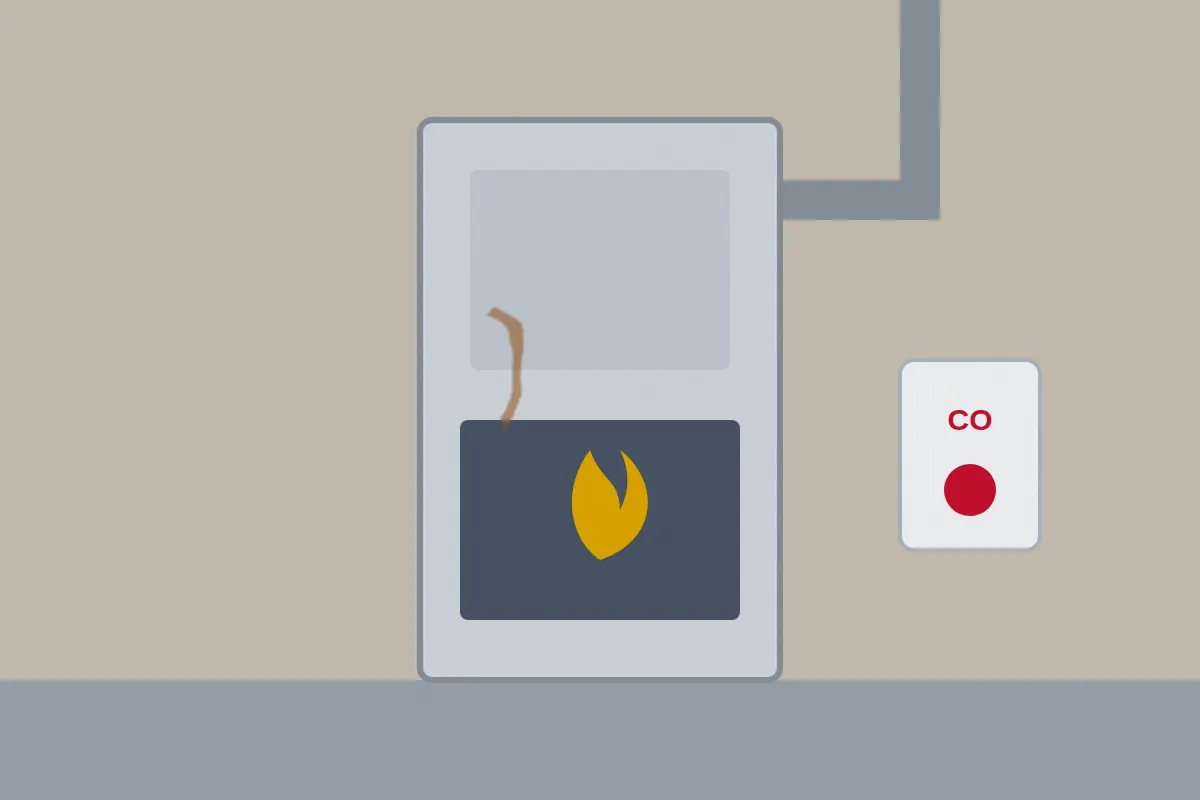
- A yellow or flickering burner flame instead of blue
- Banging, rattling or squealing noises
- A burning or dusty smell that does not fade
- Rising gas or electric bills
What to do right now
If a carbon monoxide alarm sounds, or anyone feels dizzy, sick or has a headache at home, leave immediately and call 911. If you smell gas, leave and call 911 or your gas company from outside.
- Check the thermostat is set to heat and has working batteries
- Check the breaker and the furnace power switch
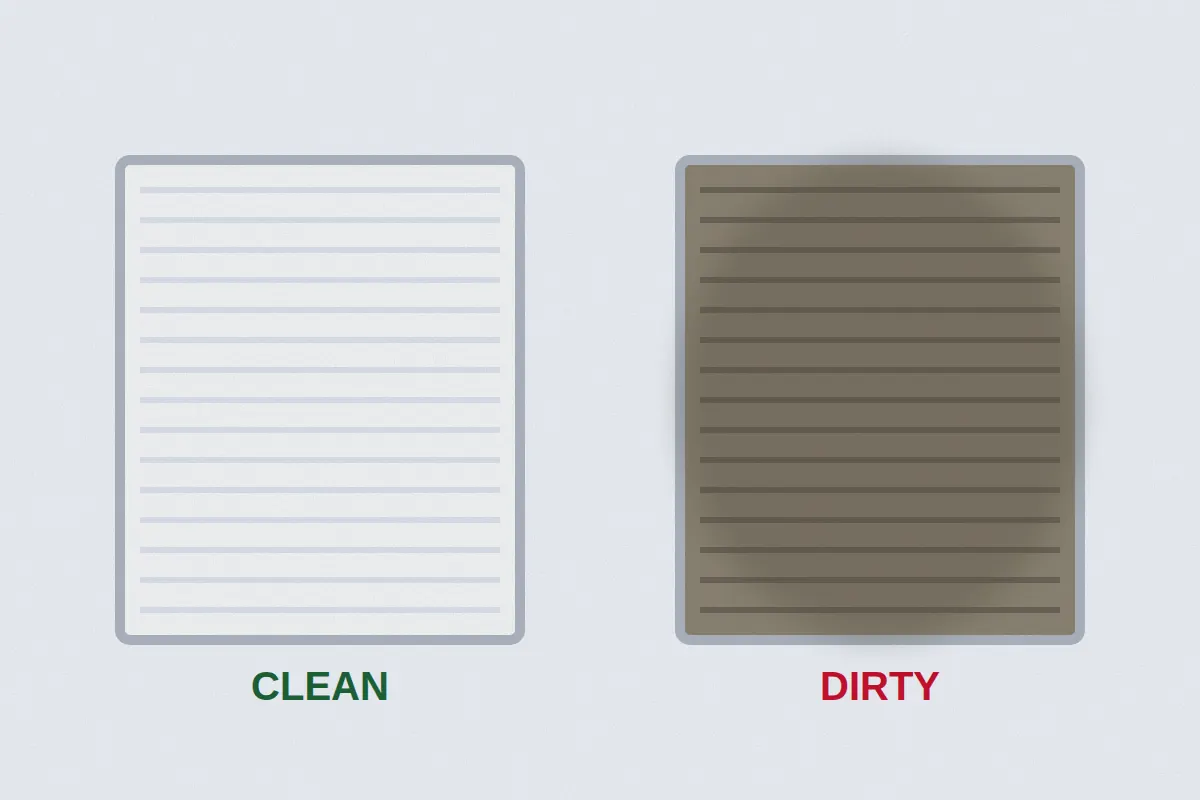
- Replace a dirty air filter
- Make sure the furnace door panel is closed properly
- Keep people warm with blankets and safe heating while you wait
- Call a furnace technician
Common causes of furnace problems
Dirty filter
A clogged filter can make the furnace overheat and shut down.
Ignition problems
Faulty igniters and pilot lights stop the burners from lighting.
Dirty flame sensor
A dirty sensor can shut off the gas moments after lighting.
Blower and belts
Worn motors and belts cause noise and weak airflow.

How a technician repairs a furnace
- The technician checks the thermostat, power, gas supply and filter.
- Ignition, flame sensor and safety controls are tested.
- The heat exchanger is checked for cracks, which can leak carbon monoxide.
- Burners and blower are cleaned and adjusted.
- The system is tested, including for carbon monoxide.
Furnace safety
- Install carbon monoxide alarms on every level and near sleeping areas
- Test alarms every month
- Keep the area around the furnace clear of storage
- Have the furnace checked every fall
- Never block vents or the flue
Questions to ask before you hire
- What is causing the problem?
- Did you check the heat exchanger for cracks?
- Is it safe to keep using the furnace?
- Is repair worth it compared with replacement?
- What warranty do you give?
Frequently asked questions about furnace repair near me
Why is my furnace blowing cold air?
Common causes are a thermostat set to fan only, ignition problems, a dirty flame sensor or an overheated furnace from a clogged filter.
Is a yellow furnace flame dangerous?
It can mean poor combustion, which can produce carbon monoxide. Have it checked promptly.
How long does a furnace last?
Many furnaces last around 15 to 20 years with regular maintenance.
Can I use space heaters while I wait?
Yes, carefully. Keep them three feet from anything that can burn and never leave them unattended.
Learn more
Our main heating and cooling guide covers the wider picture, including what affects the cost and when to call a professional.
Looking for furnace repair near me? Call the number on this page to be connected with an independent local provider. For more background, see ENERGY STAR’s heating and cooling advice.
This site is a free service to assist homeowners in connecting with local service contractors. All contractors are independent and this site does not warrant or guarantee any work performed. It is the responsibility of the homeowner to verify that the hired contractor furnishes the necessary license and insurance required for the work being performed. All persons depicted in a photo or video are actors or models and not contractors listed on this site.
Helpful guides
- AC leaking water inside the houseWhy an air conditioner leaks water inside the house, what you can check yourself, and when to call...
- Furnace burning smell: when to worryWhy a furnace smells like burning when you first turn it on, which smells are normal, and which...
- Carbon monoxide safety at homeCarbon monoxide is a colorless, odorless gas from burning fuel.
- AC not turning on? What to check firstCheck the thermostat is set to cool, below room temperature and has working batteries.
- How often should you change your air filter?Most homes should change a standard 1 inch air filter every one to three months.
- Why is my AC freezing up? Causes and what to doAn AC usually freezes because too little warm air is flowing over the indoor coil, from a dirty...