Short answer: Many Cleveland area homes have basements with floor drains, and parts of the region are served by combined sewers that carry both rain and sewage. Heavy storms can push sewage back into basements. A backwater valve, clear sewer laterals, proper downspout drainage and sewer backup insurance coverage all help protect your home.
A basement full of sewage is one of the worst home emergencies, and it is common in older Cleveland neighborhoods after heavy storms. This guide explains why Cleveland sewer backups happen and how to prevent them.
Why Cleveland basements back up
- Combined sewers in parts of the area that overload in heavy rain
- Old clay or cast iron sewer laterals with roots and cracks
- Basement floor drains connected directly to the sewer
- Downspouts connected to sewer lines in older homes
- Blockages from grease and wipes
The Northeast Ohio Regional Sewer District’s Project Clean Lake is a long term effort to reduce combined sewer overflows in the region.
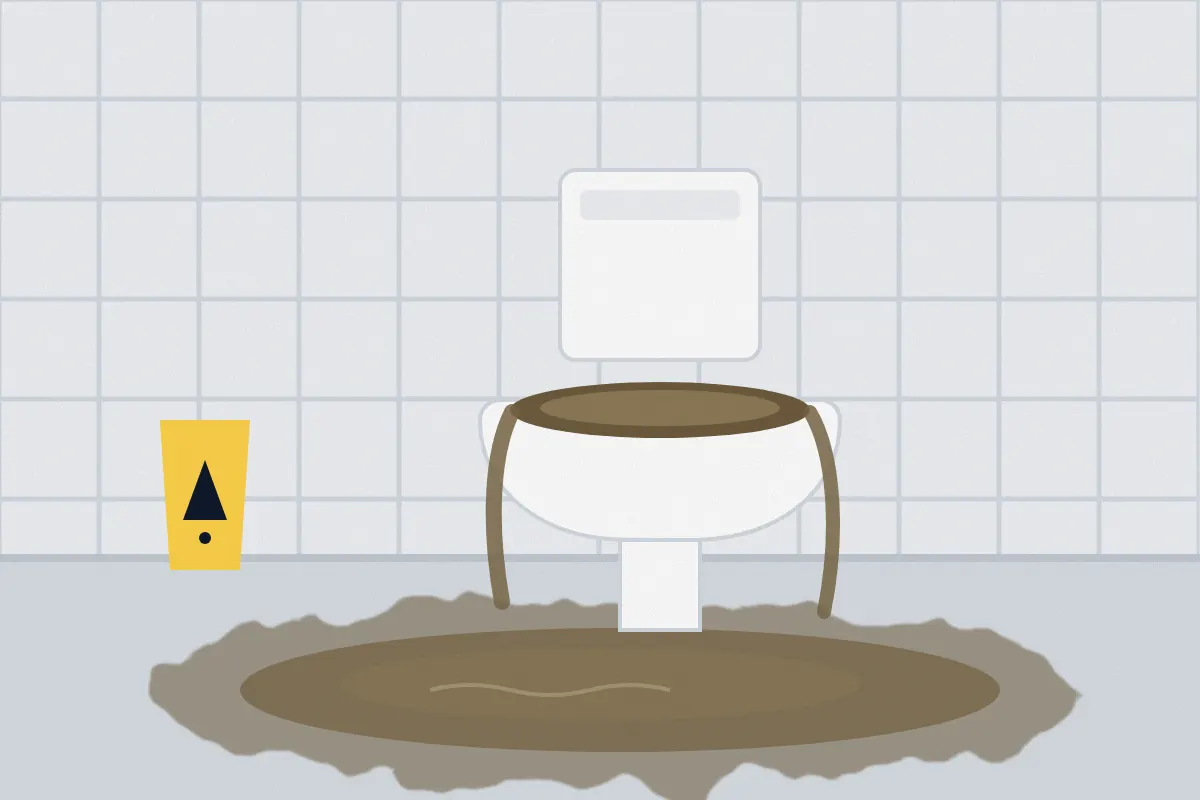
How to protect your basement
- Ask a plumber about a backwater valve on your sewer line
- Have your lateral inspected with a camera and roots cleared
- Disconnect downspouts from sewer lines where allowed, and direct water away from the house
- Keep valuables and documents off the basement floor
- Add sewer backup coverage to your homeowners policy
Sewage is dangerous. Stay out of backed up water, keep children and pets away, and do not touch electrical equipment in a flooded basement.
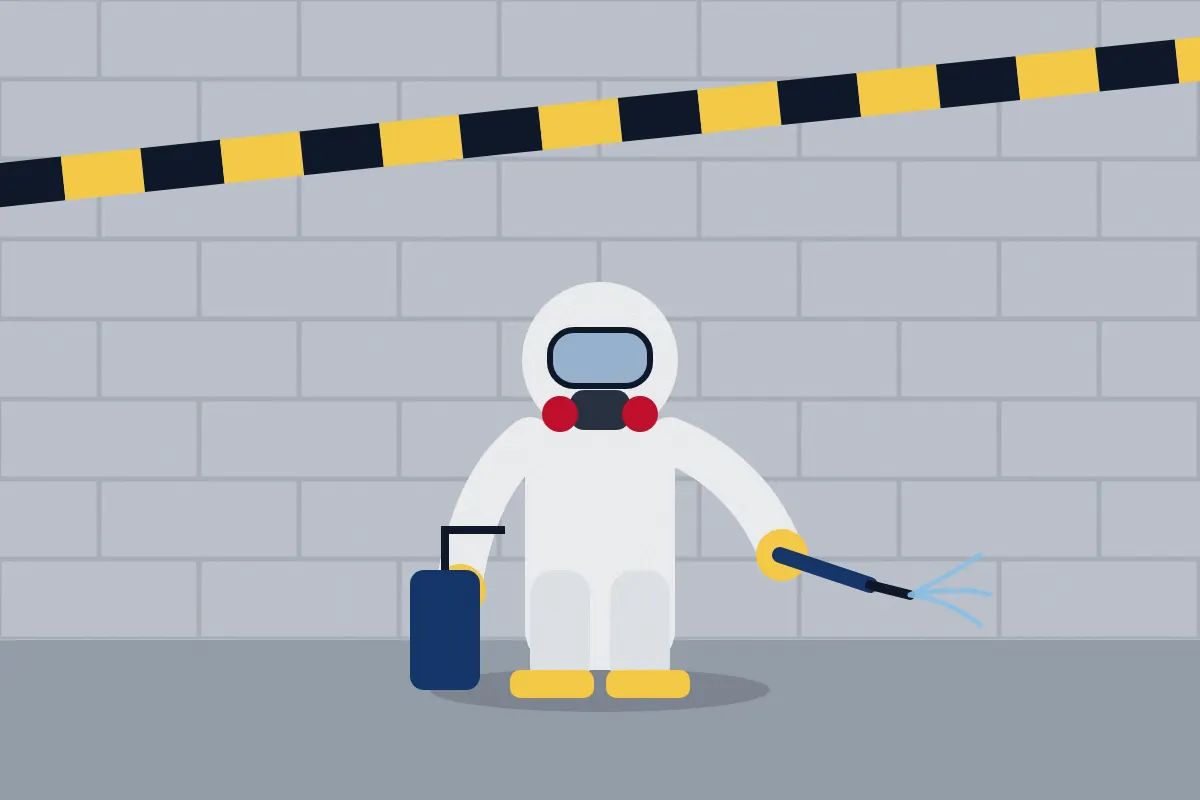
After a backup
- Stop using all water in the home.
- Photograph damage and call your insurer.
- Call a plumber to clear the line.
- Call a sewage cleanup service to remove contaminated materials and disinfect.
- Dry the basement to prevent mold.
Read what causes a sewer backup and about sewage cleanup.
Local help in Cleveland
Quick answers: cleveland sewer backup
Why does my Cleveland basement back up in storms?
Combined sewers overload, and old laterals and floor drains let sewage back into basements.
What is a backwater valve?
A valve on the sewer line that lets waste flow out but closes if sewage flows back.
Does insurance cover basement sewer backups in Ohio?
Usually only with a sewer backup endorsement.
What is Project Clean Lake?
A long term effort by the Northeast Ohio Regional Sewer District to reduce combined sewer overflows.
Who cleans up sewage in Cleveland?
Sifixit can connect you with a local sewage cleanup provider.
Related
This guide covered cleveland sewer backup. For more background, see OSHA’s bloodborne pathogens guidance, and if you need help, Sifixit can connect you with a local provider.
This guide is general information for homeowners, not professional, insurance or safety advice for your situation.
More helpful guides
- Animal waste and urine cleanup in homesSmall pet accidents can be cleaned with enzyme cleaners.
- Toilet overflow: how to stop it and clean up safelyStop the water first: lift the float or take off the tank lid and push the flapper down,...
- How to help someone with hoarding disorderStart with patience and respect, not a surprise cleanout.
- How to clean up rodent droppings safelyDo not sweep or vacuum rodent droppings, which can put virus particles into the air.
- What happens after an unattended death at homeCall 911 first.
- Who pays for biohazard cleanup?Usually the property owner is responsible, but homeowners or renters insurance often pays when the cleanup follows a...