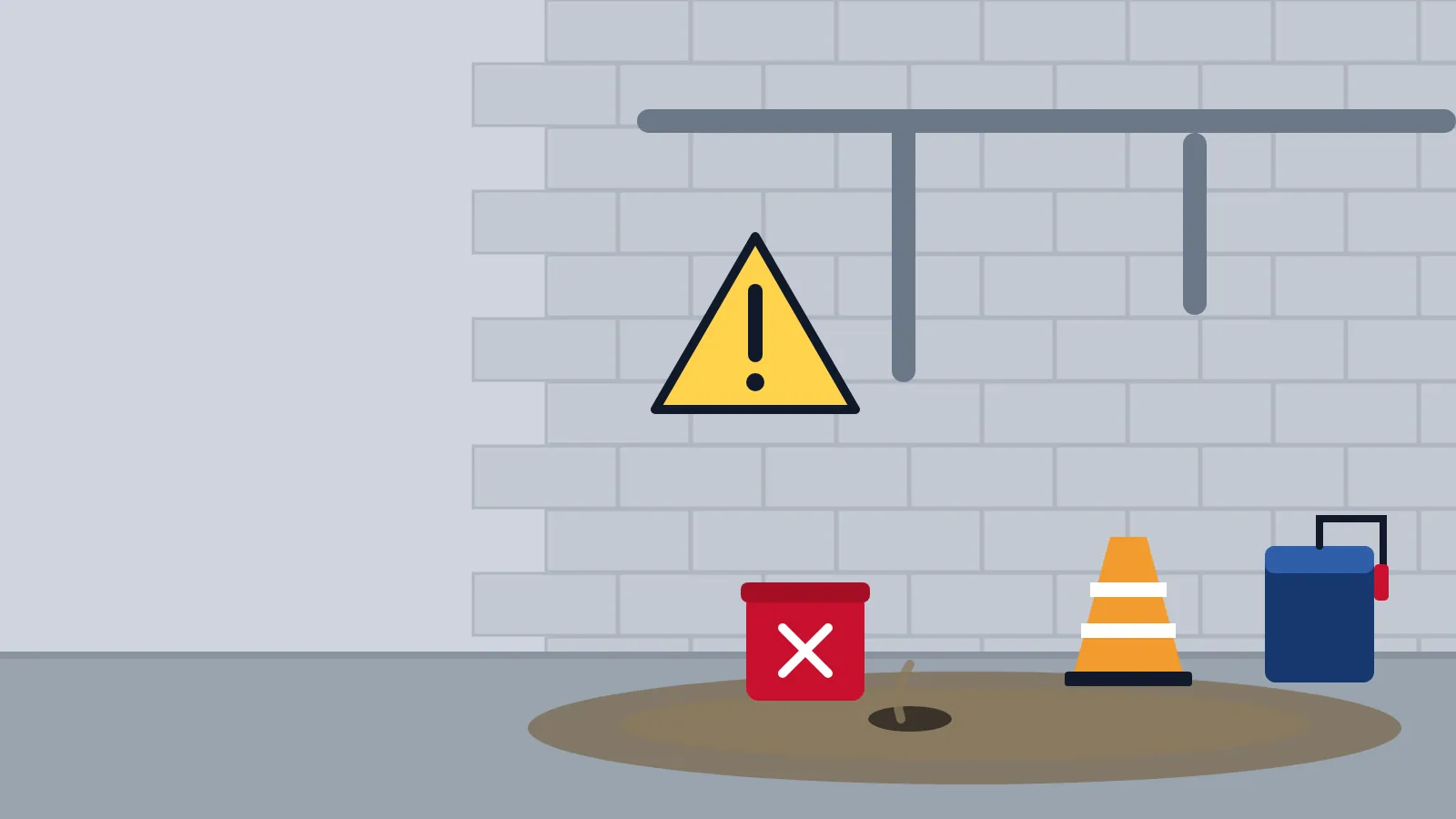
A sewage backup is one of the most unpleasant things that can happen in a home, and one of the most serious. Sewage carries bacteria and viruses, and anything it touches needs to be cleaned, disinfected or thrown away. The sooner it is handled, the less damage it does.
Sifixit is a free referral service. Call the number on this page and you will be connected with an independent biohazard cleanup provider where one serves your area. Calling costs nothing and you are never obliged to hire anyone.
Signs of a sewage backup
A backup often starts with small warnings before sewage comes up into the home.
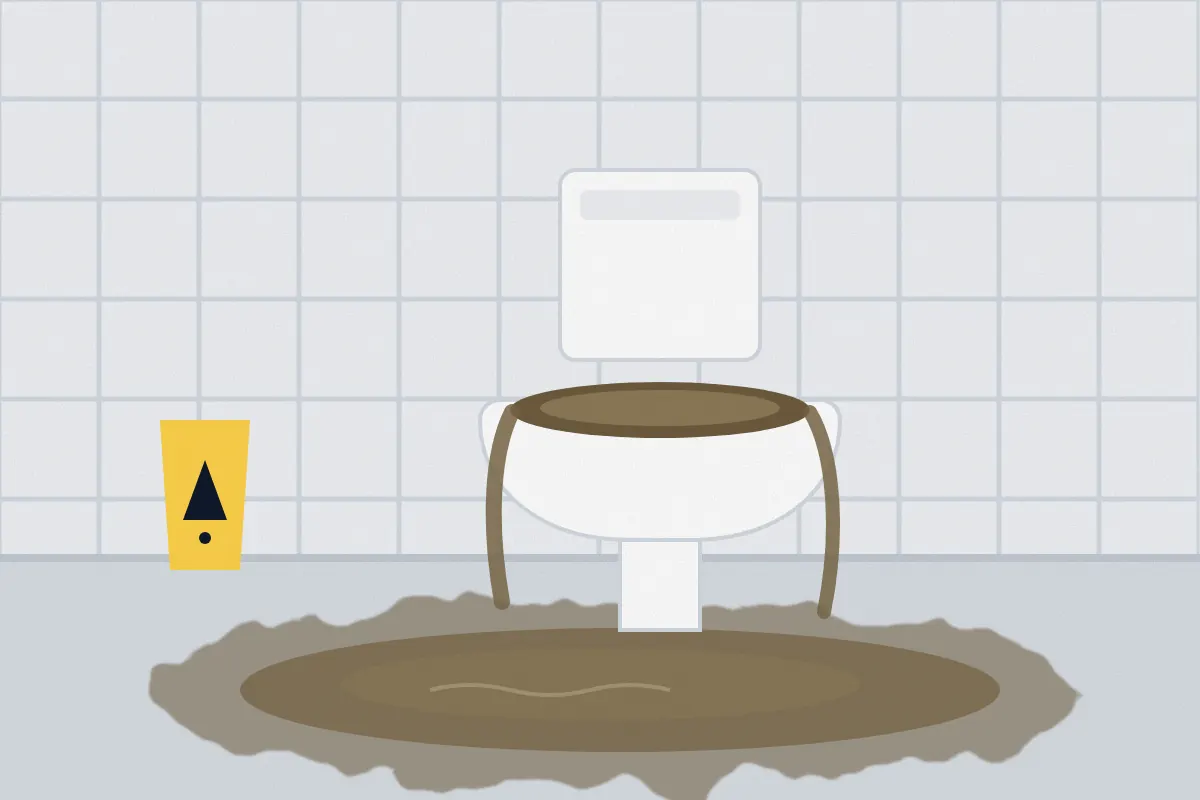
- Sewage coming up through a floor drain, shower or toilet
- Several drains slow or gurgling at the same time
- Water backing up in the lowest drain when you run a tap
- A strong sewer smell indoors
- Toilets that bubble or overflow when other fixtures run
- Wet, smelly patches in the yard above the sewer line
What to do right now
Keep children and pets away from sewage. Do not touch it without gloves, and wash your hands thoroughly if you do. If sewage is near electrical outlets or appliances, keep out of the area.
- Stop using sinks, toilets, showers, the dishwasher and the washing machine.
- Keep people and pets out of the affected area.
- Do not try to clean with household products, and never mix bleach with ammonia.
- Take photos of the damage for your insurer.
- Call a biohazard cleanup provider, and a plumber to clear the blockage.
What causes sewage backups
Blockages
Grease, wipes and other items flushed or poured down drains can build up and block the line.
Tree roots
Roots grow into small cracks in older sewer pipes and can block them completely.
Heavy rain
In some areas, storms overload the sewer system and push sewage back toward homes.
Damaged pipes
Old, cracked or collapsed sewer lines can stop flowing and send sewage back into the home.
How a professional cleans up sewage
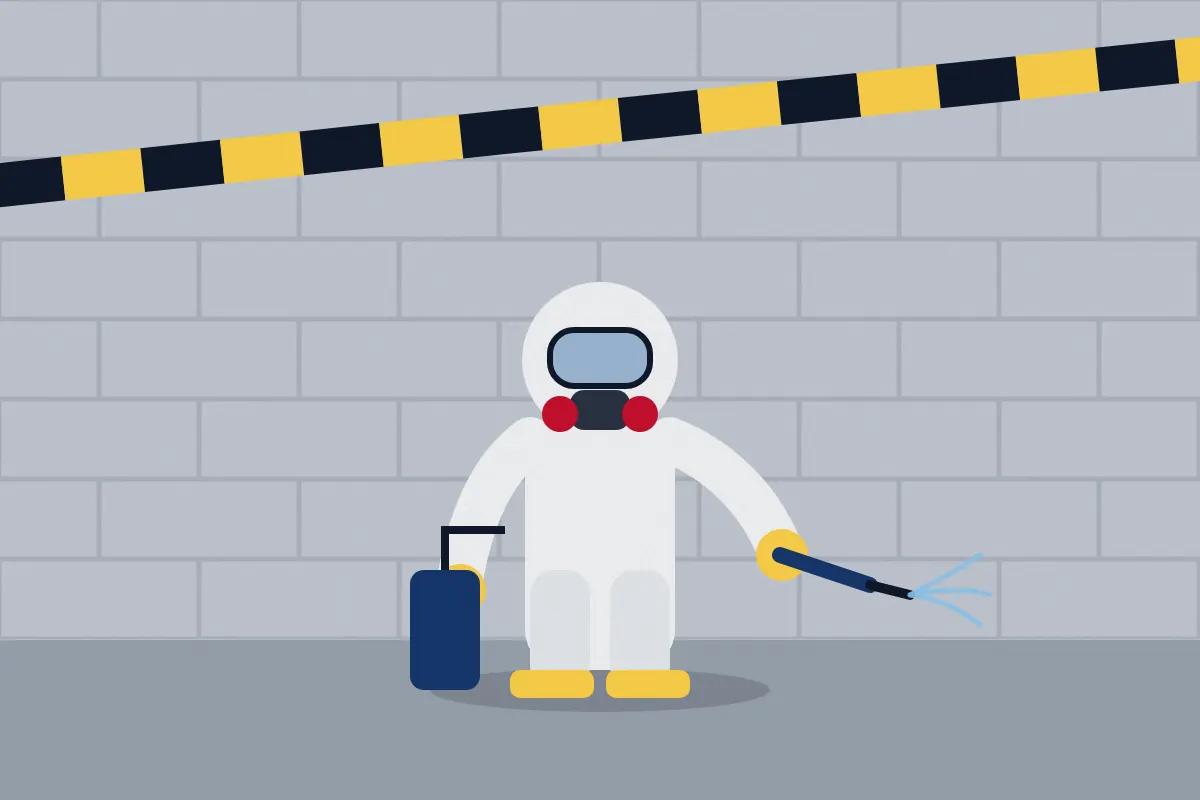
- The provider wears protective suits, gloves, boots and respirators.
- Sewage and contaminated water are removed and disposed of safely.
- Porous materials that soaked up sewage, such as carpet, pad and lower drywall, are removed.
- Every affected surface is cleaned and disinfected.
- The area is dried with air movers and dehumidifiers to prevent mold.
- The provider may test surfaces to confirm the area is clean.
How to prevent sewage backups
- Never pour grease down the drain
- Only flush toilet paper, even if wipes say flushable
- Have old sewer lines checked with a camera if drains are often slow
- Ask a plumber about a backwater valve if backups keep happening
- Check whether your insurance includes sewer backup coverage
Questions to ask before you hire
- What protective equipment do your workers use?
- Which materials must be removed, and which can be cleaned?
- How will you confirm the area is clean and safe?
- Can you work with my plumber to fix the cause?
- Will you work with my insurance company and document the damage?
Frequently asked questions
Is sewage dangerous?
Yes. Sewage can carry bacteria and viruses that make people sick. Keep away from it and leave cleanup to trained providers with protective equipment.
Who is responsible for the sewer line?
In many areas, the homeowner is responsible for the pipe from the house to the city sewer main, and the city is responsible for the main. Rules vary, so check with your local utility.
Does insurance cover sewage backup?
Often only if your homeowners policy has a sewer backup endorsement. Flooding from outside needs separate flood insurance.
Can I stay home during sewage cleanup?
If the backup is small and away from living areas, sometimes yes. Large backups, or any in living spaces, may mean staying elsewhere until cleanup is done.
Learn more
Our main biohazard cleanup guide covers the wider picture, including what affects the cost and when to call a professional.
Sifixit is a free referral service and does not provide home services. Calls may be answered by a partner call center or connected directly to independent local providers, who are solely responsible for their work, pricing, licensing and insurance.