Short answer: Basement waterproofing starts outside, with gutters, downspouts and grading that keep water away. Inside, the main options are sealing cracks, installing an interior drain tile and sump pump, and dehumidifying. Exterior waterproofing, which excavates and seals the outside of the walls, is the most thorough but also the most disruptive.
A wet basement ruins stored belongings, grows mold and can signal foundation problems. The right fix depends on where the water comes from. This guide explains basement waterproofing options, from simple to major.
First, find where the water comes from
- Condensation: damp walls in humid summer, often fixed with a dehumidifier.
- Surface water: rain and snowmelt running toward the house, fixed with drainage and grading.
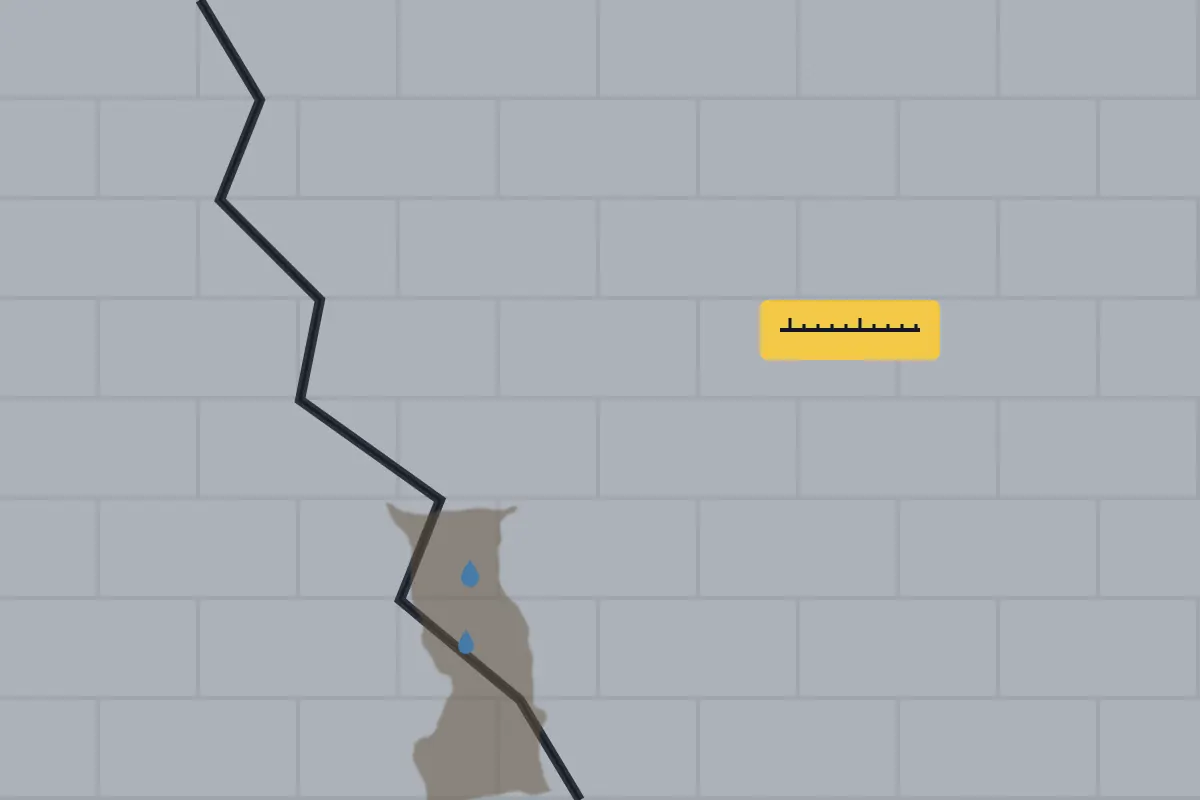
- Cracks and joints: water seeping through wall cracks or where the wall meets the floor.
- Groundwater: water pushed up by a high water table, called hydrostatic pressure.
A simple test for condensation: tape a square of foil to the wall for a few days. Moisture on the room side points to condensation. Moisture behind it points to water coming through the wall.
Outside fixes: start here
- Clean and repair gutters
- Extend downspouts 4 to 6 feet from the house
- Regrade soil to slope away from the foundation
- Fix window wells with covers and drains
These are often the lowest cost and most effective steps. Read our guide to downspout drainage.
Inside waterproofing options
- Crack injection: epoxy or polyurethane sealing of individual wall cracks.
- Interior drain tile: a perforated pipe in a trench along the inside of the walls that collects water and carries it to a sump pump.
- Sump pump: pumps collected water out and away. A battery backup keeps it running in power outages.
- Wall coatings and membranes: help with dampness but will not stop water under pressure on their own.
- Dehumidifier: controls humidity and condensation.
Sump pump tips
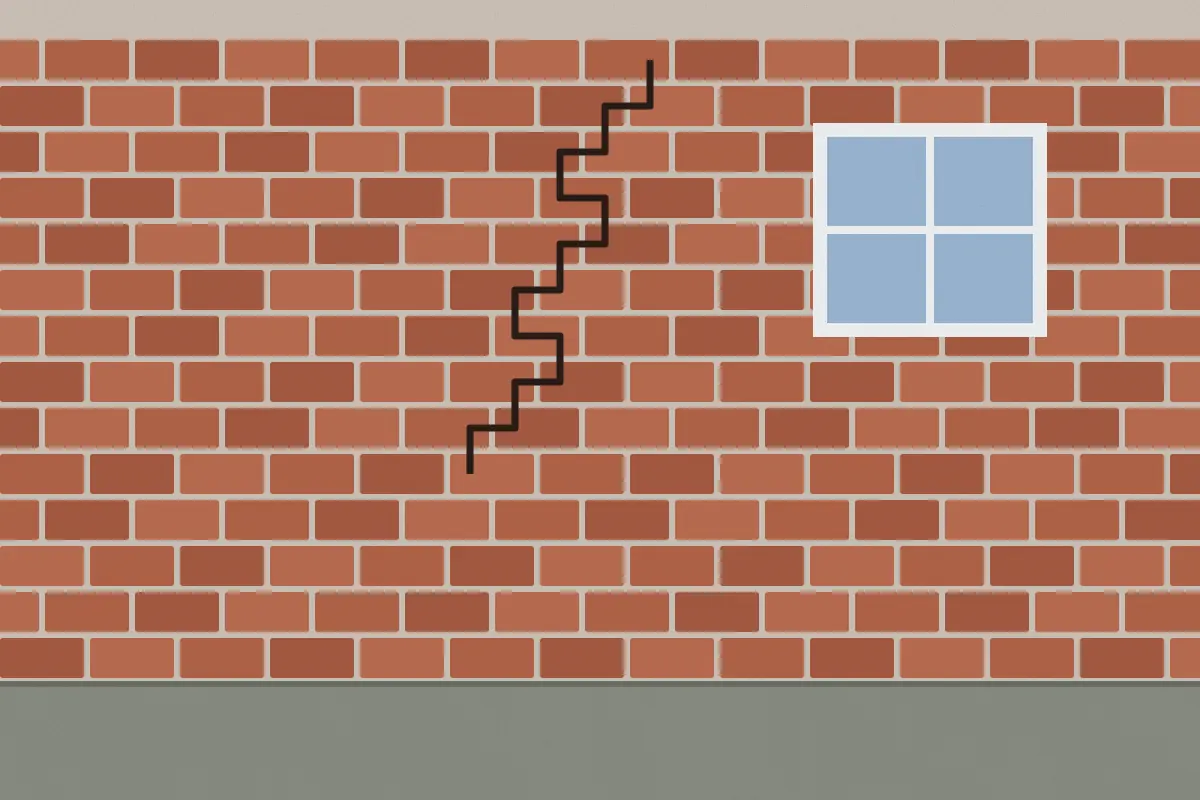
- Test the pump every few months by pouring water into the pit
- Install a battery backup or a water powered backup for power outages
- Make sure the discharge line carries water well away from the house
- Add a high water alarm
- Replace older pumps before they fail, often every 7 to 10 years
Exterior waterproofing
Exterior waterproofing digs down to the footing around the outside of the house, cleans and seals the walls with a membrane, and installs footing drains. It stops water before it reaches the wall, but it is disruptive, costly and affected by landscaping, decks and walkways. It is often chosen for new construction or major repairs.
When waterproofing becomes foundation repair
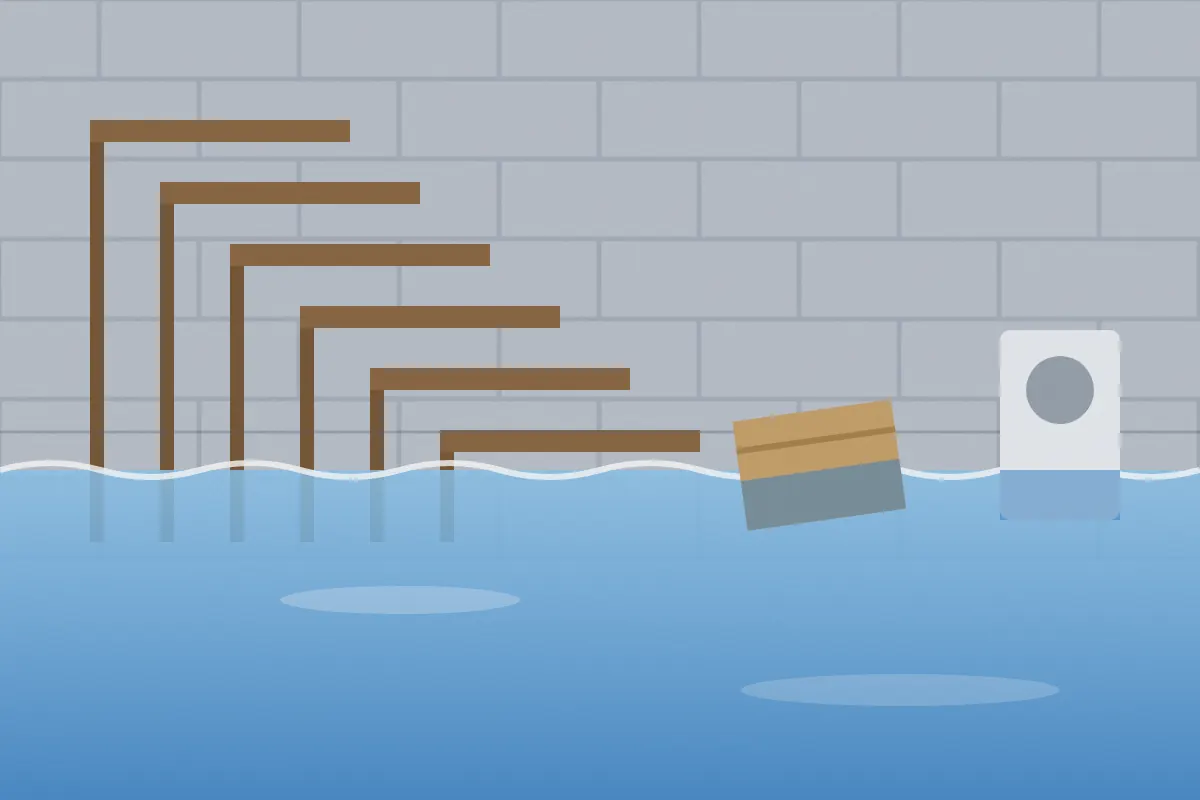
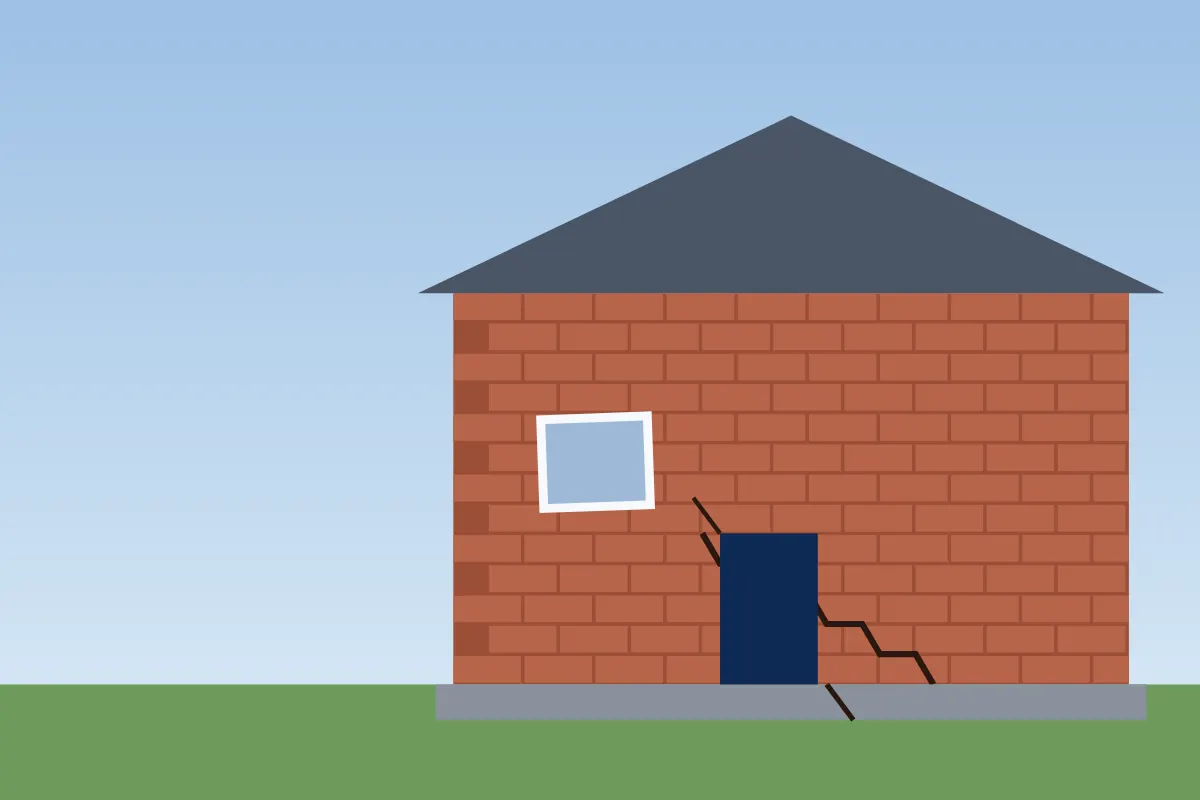
Horizontal cracks, bowing walls and stair step cracks can mean soil pressure is moving the walls. Waterproofing alone will not fix this. Have a foundation specialist or structural engineer look first. Read about foundation repair and foundation crack repair.
Quick answers: basement waterproofing
What is the best way to waterproof a basement?
Start with gutters, downspouts and grading. Inside, interior drain tile with a sump pump is a common, effective fix for leaks.
Does waterproof paint work on basement walls?
It can reduce dampness but will not stop water under pressure or through cracks.
Do I need a sump pump?
If groundwater collects under or around the basement, a sump pump with a battery backup is often the key part of the fix.
Is a wet basement a foundation problem?
Not always, but bowing walls, horizontal cracks and stair step cracks need a foundation specialist.
Who waterproofs basements?
A basement waterproofing or foundation company. Sifixit can connect you with local providers.
Related
This guide covered basement waterproofing. For more background, see the FTC’s advice on hiring a contractor and avoiding home improvement scams, and if you need help, Sifixit can connect you with a local provider.
This guide is general information for homeowners, not professional, insurance or safety advice for your situation.
More helpful guides
- Sagging floors: causes and how they are fixedSagging floors are usually caused by settling or failing supports under the house, joists that are rotted, damaged...
- Crawl space moisture: causes, problems and fixesCrawl space moisture comes from damp ground, outside humid air, plumbing leaks and poor drainage.
- Warning signs of foundation problemsSticking doors and windows, cracks above door frames, sloping floors and stair step cracks in brick are the...