Short answer: Black mold can cause health problems, mainly for people with allergies, asthma, lung disease or weak immune systems, and any mold growing indoors should be removed. The color alone does not tell you how harmful a mold is. What matters is removing it safely and fixing the moisture that let it grow.
Few home problems cause as much worry as black mold. Headlines about toxic mold have made many people afraid of any dark spot on a wall. This guide explains what black mold is, how it can affect health, and what to do if you find it, based on guidance from the CDC and the EPA.
What people mean by black mold
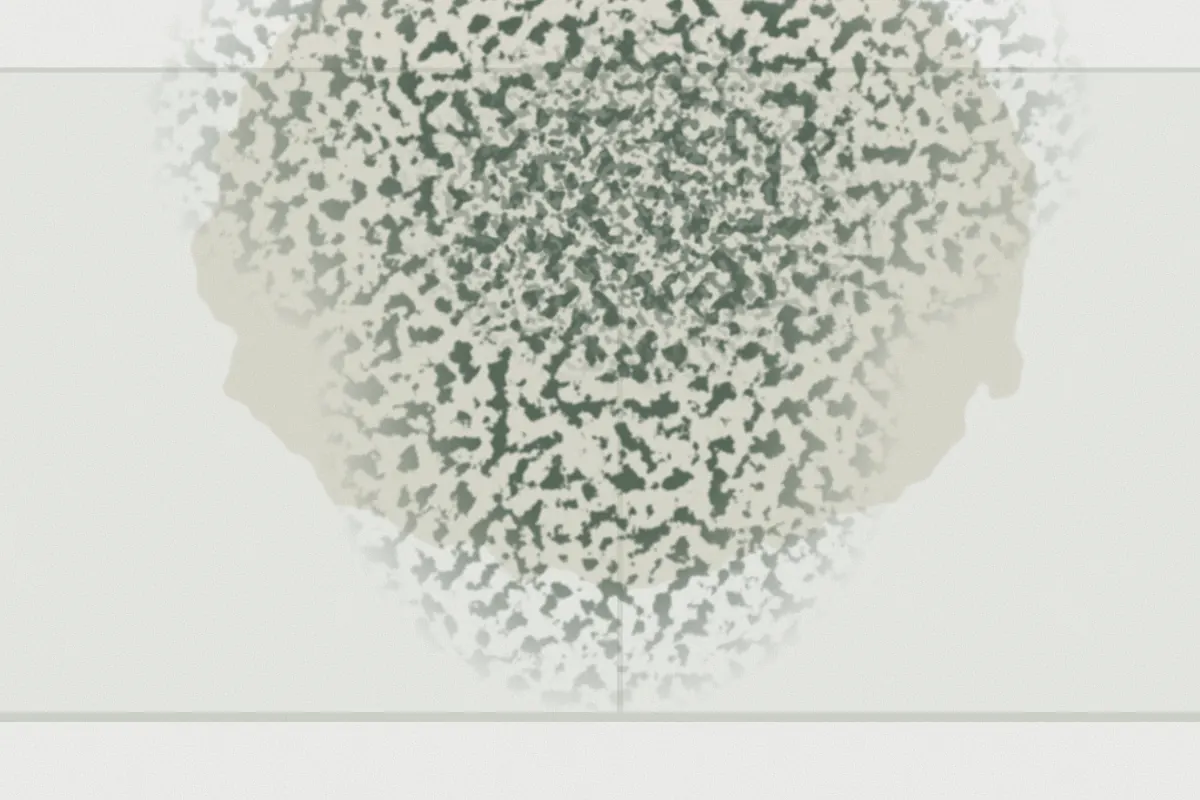
Black mold usually refers to Stachybotrys chartarum, a greenish black mold that grows on materials rich in cellulose, such as drywall paper, wood and cardboard, when they stay wet for a long time. Many other molds are also dark green or black, so you cannot tell which mold it is by looking. Only lab testing can identify it, and for most homes that is not necessary.
How mold can affect health
According to the CDC, exposure to damp and moldy environments can cause a range of effects, and some people have no reaction at all. Common effects include:
- Stuffy or runny nose and sneezing
- Throat irritation and coughing
- Wheezing and shortness of breath
- Eye irritation
- Skin irritation or rash
People with mold allergies, asthma or chronic lung disease can have stronger reactions. People with weakened immune systems are at higher risk of infections. The CDC notes that it has not found a proven link between Stachybotrys and rare health conditions sometimes blamed on it, but it still advises removing all indoor mold.
If someone at home has trouble breathing, worsening asthma or other health concerns you think may be linked to mold, talk to a doctor.
Is black mold more dangerous than other mold?
Some molds, including Stachybotrys, can produce substances called mycotoxins, but the presence of the mold does not mean mycotoxins are present, or that anyone will be harmed. Public health agencies advise treating all indoor mold the same way: remove it and fix the moisture problem, rather than worrying about the species.
What to do if you find black mold
- Do not scrub, scrape or sand large areas, which releases spores.
- Keep people with asthma, allergies or weak immune systems away.
- Find the moisture source, such as a leak, flooding or condensation.
- For small areas on hard surfaces, clean with detergent and water while wearing gloves, goggles and an N95 mask.
- For areas larger than about 10 square feet, mold on drywall or insulation, or mold after flooding, call a professional.
How professionals remove black mold
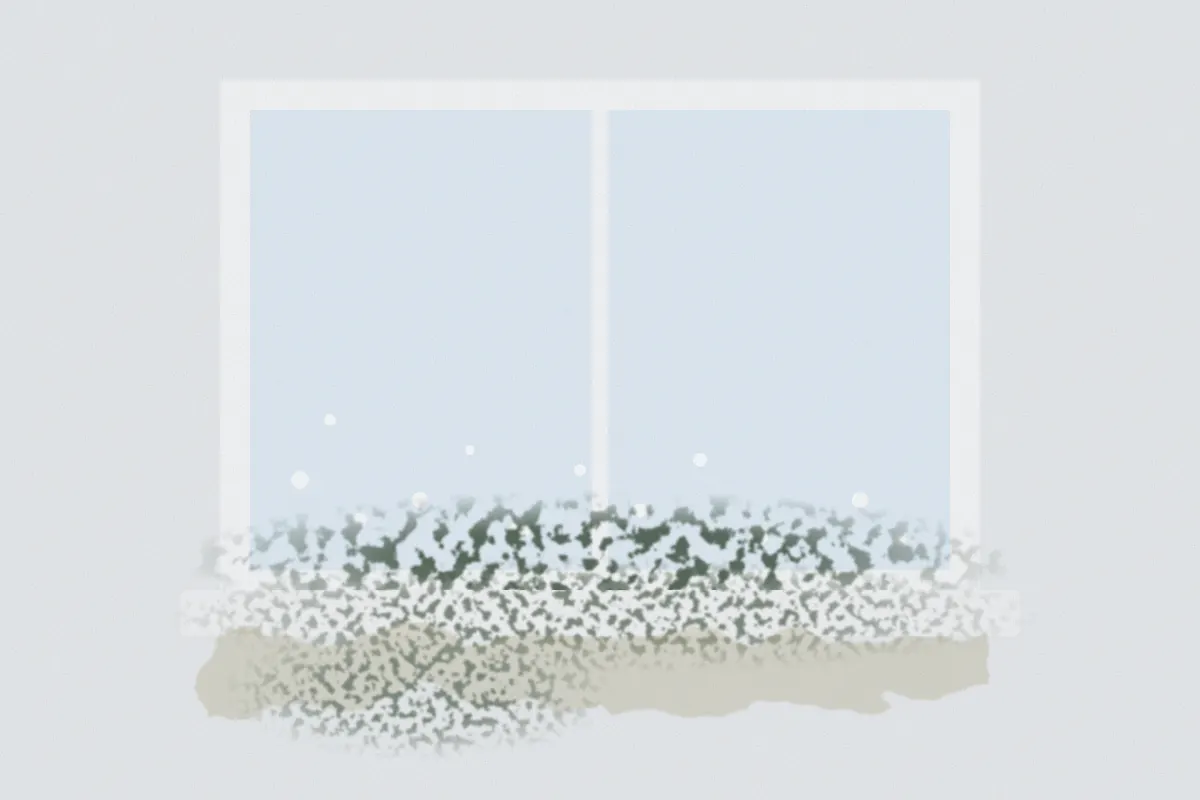
A mold removal company sets up containment with plastic sheeting and negative air pressure, runs HEPA air scrubbers, removes moldy drywall, insulation and carpet, cleans and treats the framing, and dries the area. The most important step is fixing the moisture source, or the mold will come back. Read about black mold removal.
Black mold in a rental home
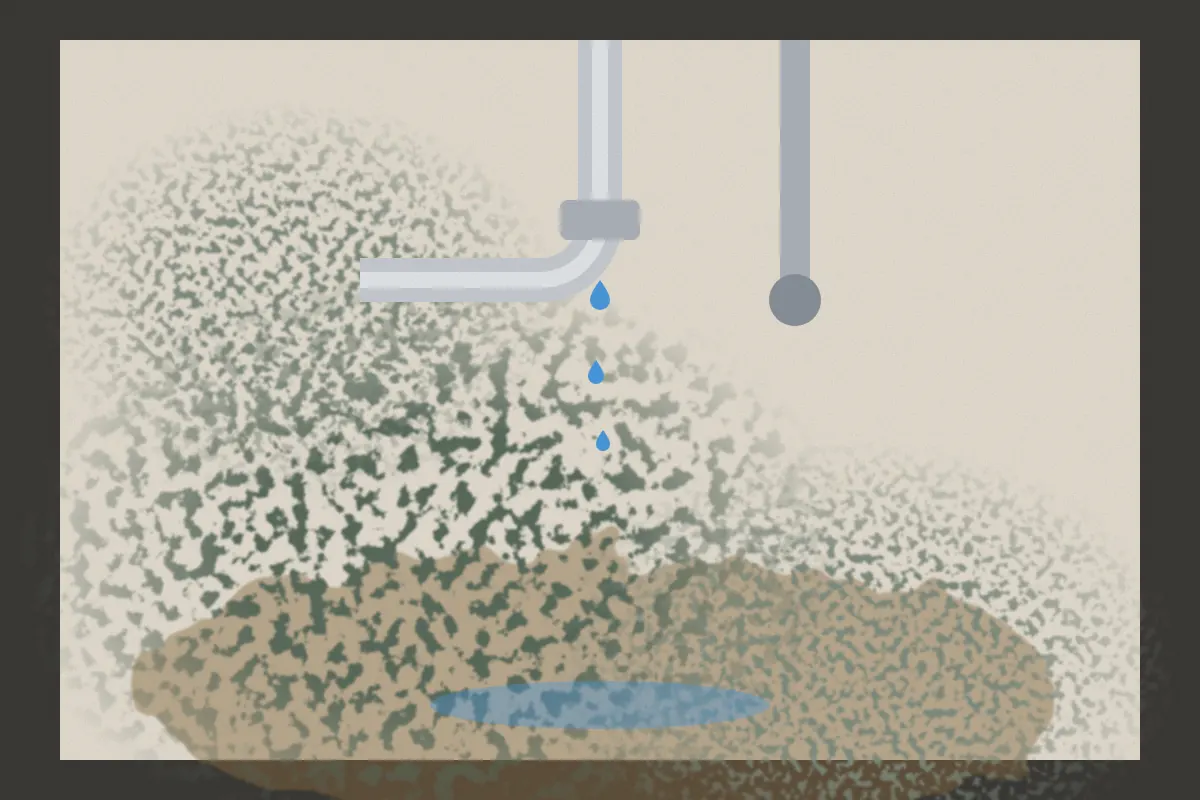
Renters should tell the landlord about mold and any leak in writing, with photos, and keep a copy. Many states and cities treat serious mold or the water problem behind it as a habitability issue that landlords must fix, and local code enforcement or health departments can often inspect. Rules vary widely, so check your state and city before withholding rent or taking other action.
Does insurance cover black mold?
Mold that follows a sudden covered event, such as a burst pipe, may be covered up to a set limit. Mold from long term leaks, humidity or poor maintenance usually is not. Report water damage quickly and keep records.
Preventing black mold
- Fix leaks quickly and dry wet areas within 24 to 48 hours
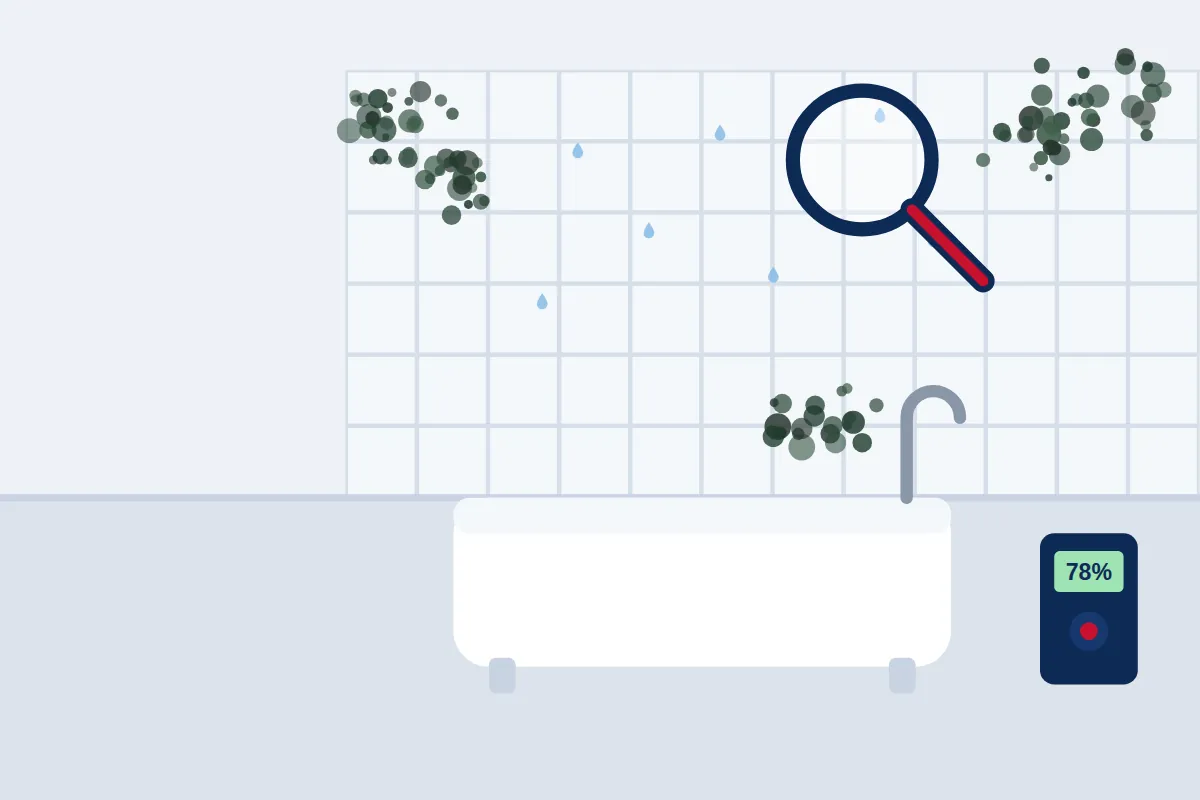
- Keep indoor humidity below 60 percent, ideally 30 to 50 percent
- Run bathroom and kitchen exhaust fans
- Keep gutters clean and water draining away from the house
- Do not store cardboard and paper in damp basements
Quick answers: is black mold dangerous
Is black mold dangerous?
It can cause health problems, especially for people with allergies, asthma, lung disease or weak immune systems. All indoor mold should be removed.
How can I tell if mold is black mold?
You cannot tell by color. Only a lab can identify the species, and most homes do not need testing to remove it.
Can I remove black mold myself?
Small areas on hard surfaces can be cleaned with protection. Larger areas, drywall and insulation need a professional.
What are the symptoms of mold exposure?
Stuffy nose, coughing, wheezing, eye and skin irritation are common. People with asthma may have stronger reactions.
Who removes black mold?
A mold removal company that uses containment and HEPA air scrubbers. Sifixit can connect you with a local provider.
Related
This guide covered is black mold dangerous. For more background, see the EPA’s mold guide, and if you need help, Sifixit can connect you with a local provider.
This guide is general information for homeowners, not professional, insurance or safety advice for your situation.
More helpful guides
- Mold under carpet: signs and what to doHow to tell if mold is growing under your carpet, why it happens, and whether the carpet can...
- Mold in a rental home: what tenants and landlords should knowTenants should report mold and any leak to the landlord in writing, with photos, and keep a copy.
- Mold on windows and window sills: causes and preventionMold on windows usually comes from condensation: warm, damp indoor air hits cold glass and frames, and water...
- Mold in AC vents and air ducts: signs and what to doDark spots on vent covers, a musty smell when the air conditioning runs and allergy symptoms that worsen...
- Bathroom mold: causes, cleaning and preventionBathroom mold grows because of steam, standing water and poor ventilation.
- Do I need mold testing? When it helps and when it does notIf you can see or smell mold, you usually do not need testing to know it must be...