Short answer: Mold can begin to grow within 24 to 48 hours on materials that stay wet, according to the EPA. That is why wet drywall, carpet, insulation and wood need to be dried, or removed, within a day or two of any leak or flood.
After a leak or flood, most people focus on the water they can see. The bigger long term risk is often mold, which starts in the damp materials left behind. Understanding the timeline helps you act before a water problem becomes a mold problem.
The mold timeline after water damage
- First 24 to 48 hours: mold spores, which are present in almost every home, can start to grow on wet materials.
- Days 3 to 12: growth can spread and become visible as spots or fuzz, often with a musty smell.
- After a few weeks: mold can spread through wall cavities, under flooring and into insulation, making removal larger and costlier.
These are general guides. Warm, humid homes and dark, closed spaces such as wall cavities and basements speed growth up. Cool, dry, well ventilated spaces slow it down.

What mold needs to grow
- Moisture, which is the one you can control
- A food source, such as drywall paper, wood, cardboard, carpet backing and dust
- Warm temperatures, which most homes provide
- Time
Take away the moisture and mold cannot grow. That is why fast, thorough drying is the best mold prevention there is.
How to prevent mold after water damage
- Stop the water source.
- Remove standing water as soon as it is safe.
- Start drying immediately with fans, dehumidifiers and air conditioning, or call a restoration company for professional equipment.
- Pull up wet rugs and remove soaked carpet pad.
- Open wet walls if insulation behind them is soaked, since it will not dry in place.
- Keep indoor humidity below 60 percent, ideally between 30 and 50 percent, as the EPA recommends.
- Check moisture with a meter before closing up walls or laying new flooring.
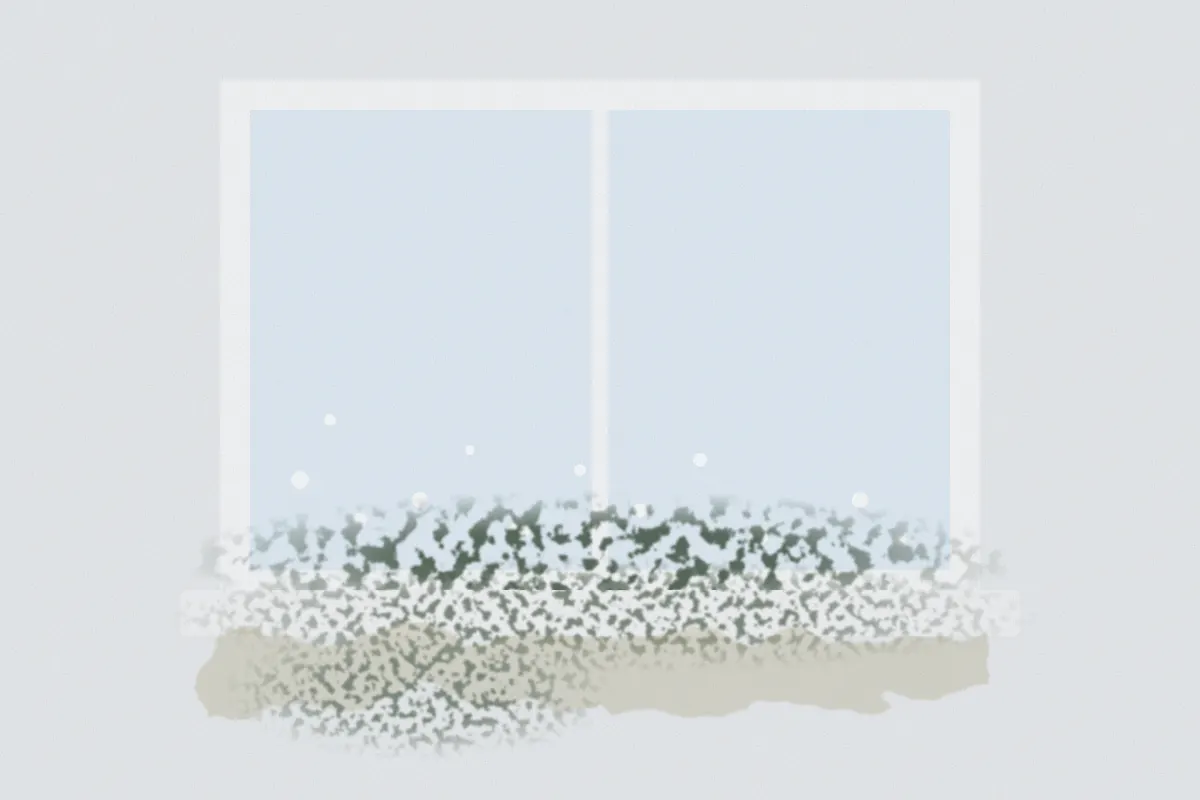
Signs mold has already started
- A musty or earthy smell
- Spots of black, green, gray or white growth
- Stains that keep spreading
- Allergy like symptoms that ease when you leave the home
If you see mold, do not scrub large areas or run fans across it, which can spread spores. The EPA suggests that areas larger than about 10 square feet are usually a job for a professional. Read about mold removal and mold behind walls.
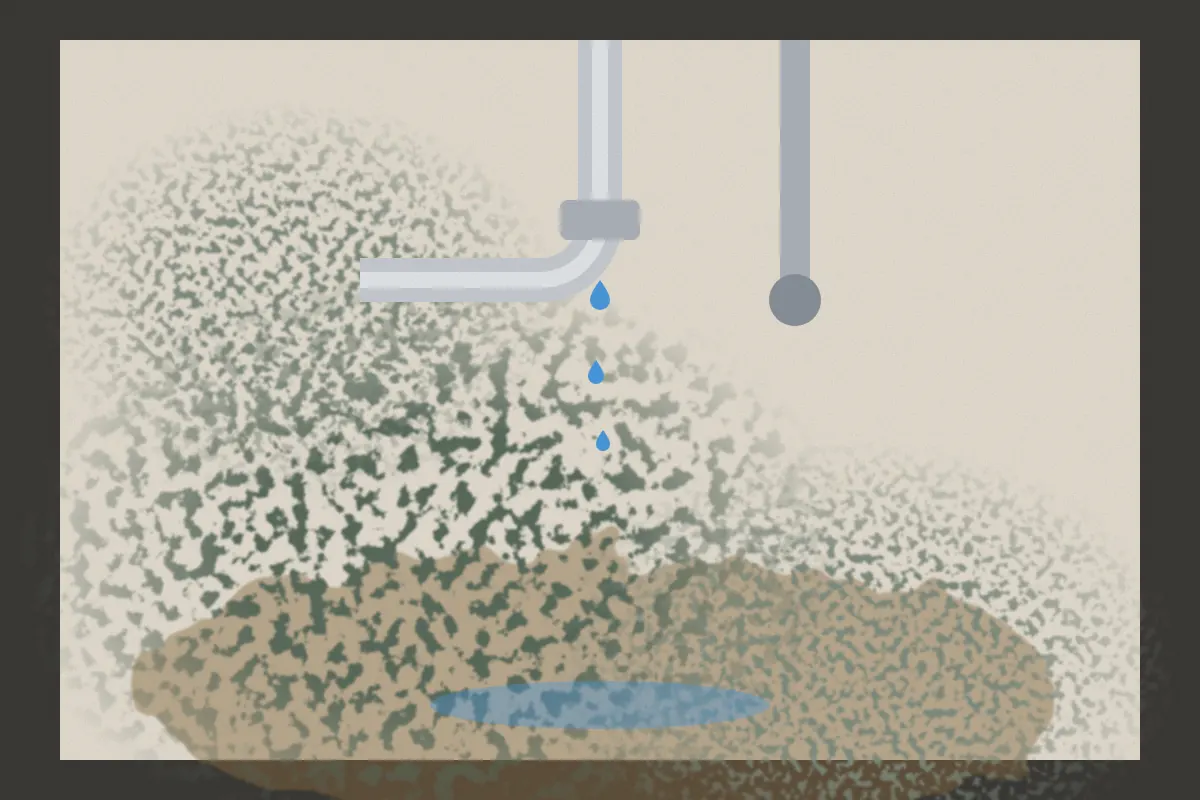
Where mold hides after a leak
- Behind baseboards and inside the bottom of walls
- Under carpet pad and vinyl flooring
- Inside wall and ceiling insulation
- Under sinks and behind appliances
- In air conditioning ducts, if wet air was pulled through them
These are the places a quick visual check misses. After any significant water damage, ask the restoration company to check them with a moisture meter before closing up.
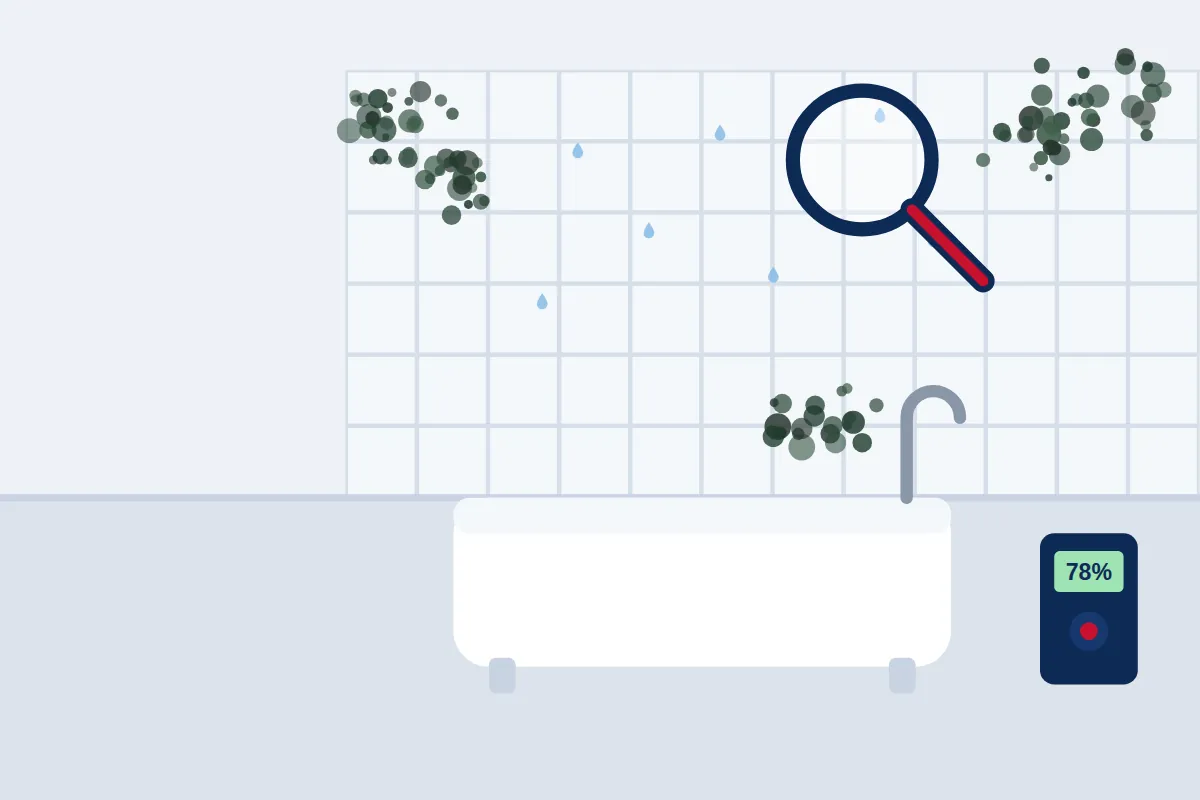
Can you remove mold yourself?
Small areas on hard surfaces, less than about 10 square feet, can often be cleaned by a healthy adult wearing gloves, goggles and an N95 mask, using detergent and water, and drying the area fully. Moldy drywall, carpet and insulation usually need to be removed, not cleaned. Larger areas, mold after sewage or flooding, mold in ducts, and mold in homes with vulnerable people are jobs for professionals, who use containment and HEPA air scrubbers to stop spores spreading.
How mold can affect health
According to the CDC, damp and moldy homes can cause stuffy noses, throat irritation, coughing, wheezing, eye irritation and skin irritation in some people. People with asthma, allergies, lung disease or weakened immune systems can have stronger reactions. This is why drying quickly matters, and why vulnerable people should stay away from mold cleanup.
Using a dehumidifier after a leak
- Close windows and doors in the room so the dehumidifier works on that space
- Empty the tank often, or connect a drain hose
- Aim for indoor humidity below 60 percent, and check with a simple hygrometer
- Run fans to move air across wet surfaces
- Remember that a household dehumidifier cannot dry soaked walls or subfloors on its own
Does insurance cover mold after water damage?
It depends on the cause and your policy. Mold that follows a sudden covered event, such as a burst pipe, may be covered, often up to a set limit. Mold from slow leaks, long term humidity or delays in drying usually is not. Acting quickly after water damage protects both your home and your claim.
Quick answers: how fast does mold grow after water damage
How fast does mold grow after water damage?
Mold can begin growing within 24 to 48 hours on wet materials, and it can become visible within days.
Can I stop mold after a leak?
Yes, by removing water and drying everything thoroughly within a day or two, and keeping humidity below 60 percent.
Will mold grow if the carpet dries on its own?
It can, especially if the pad and subfloor stay wet. Professional drying and moisture checks reduce the risk.
How do I know if walls are really dry?
A moisture meter reading compared with dry areas of the home confirms it. Looks and touch are not reliable.
Who should I call after water damage to prevent mold?
A water damage restoration company to dry the home, and a mold removal company if mold has already started.
Related
This guide covered how fast does mold grow after water damage. For more background, see the EPA’s mold guide, and if you need help, Sifixit can connect you with a local provider.
This guide is general information for homeowners, not professional, insurance or safety advice for your situation.
More helpful guides
- Mold under carpet: signs and what to doHow to tell if mold is growing under your carpet, why it happens, and whether the carpet can...
- Mold in a rental home: what tenants and landlords should knowTenants should report mold and any leak to the landlord in writing, with photos, and keep a copy.
- Mold on windows and window sills: causes and preventionMold on windows usually comes from condensation: warm, damp indoor air hits cold glass and frames, and water...
- Mold in AC vents and air ducts: signs and what to doDark spots on vent covers, a musty smell when the air conditioning runs and allergy symptoms that worsen...
- Bathroom mold: causes, cleaning and preventionBathroom mold grows because of steam, standing water and poor ventilation.
- Do I need mold testing? When it helps and when it does notIf you can see or smell mold, you usually do not need testing to know it must be...