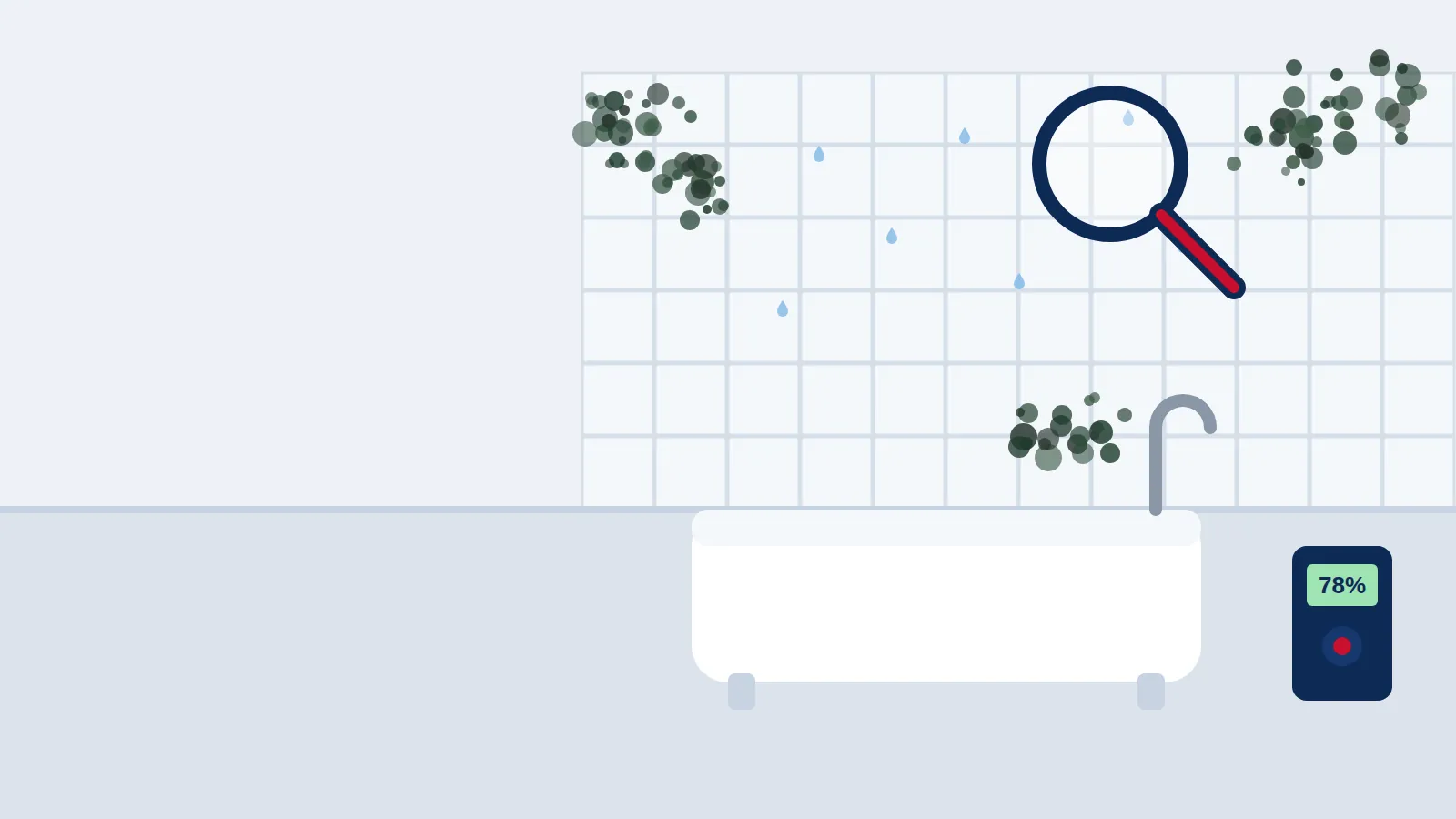
Black mold is a name people often use for Stachybotrys chartarum, a greenish black mold that grows on materials that stay wet for a long time, such as drywall paper, wood and ceiling tiles. Many other molds look black too. Whatever the type, mold growing indoors should be removed and the moisture that feeds it fixed.
Sifixit is a free referral service. Call the number on this page and you will be connected with an independent mold removal provider where one serves your area. Calling costs nothing and you are never obliged to hire anyone.
Signs of black mold
Black mold usually appears where water has been present for days or weeks.
- Dark green or black patches on drywall, wood or ceiling tiles
- Spots that look slimy when wet or powdery when dry
- A strong musty smell
- Growth near a past leak, flood or constant condensation
- Stained, soft or peeling drywall
- Mold that returns after surface cleaning
What to do right now
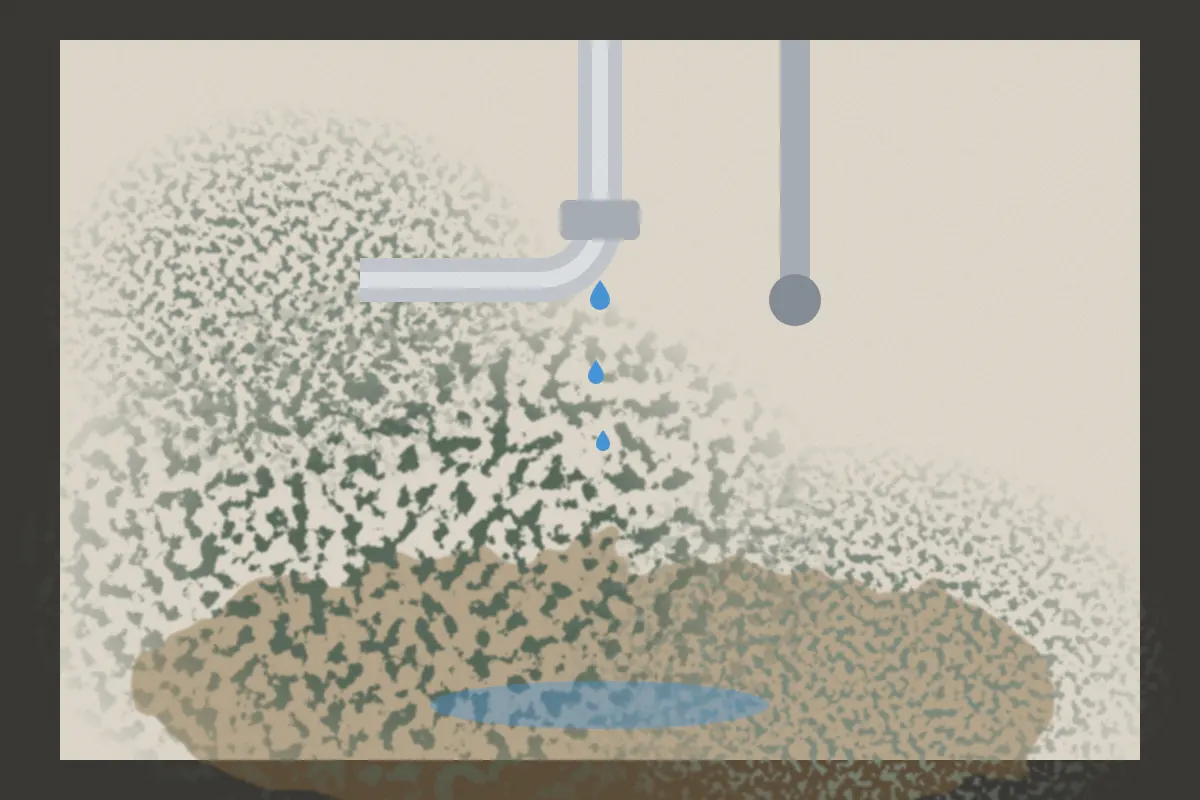
Do not scrub, sand or dry brush black mold, which releases spores into the air. Keep children, older people and anyone with asthma or a weak immune system away from the area.
- Stop the water source if you can safely reach it.
- Close the door to the affected room.
- Do not run fans that blow across the moldy area.
- Do not try to kill mold on drywall with bleach.
- Take photos of the mold and any water damage.
- Call a mold removal provider.
Why black mold grows
Long lasting moisture
Black mold needs materials that stay wet for a long time, such as after a slow leak or an undried flood.
Paper and wood
It grows well on materials high in cellulose, like the paper facing on drywall, ceiling tiles and wood.
Hidden leaks
Leaks under sinks, behind walls and above ceilings can feed mold for months before anyone notices.
Poor ventilation
Bathrooms, basements and closets without airflow stay damp and give mold time to grow.
How a professional removes black mold
- The area is sealed off with plastic sheeting so spores do not spread.
- Air scrubbers with HEPA filters clean the air, often under negative pressure.
- Moldy porous materials such as drywall, insulation and carpet are cut out and bagged.
- Hard surfaces are cleaned, and the area is HEPA vacuumed.
- The moisture source is fixed and the area is dried.
- The area may be checked or tested before new materials are installed.
Facts about black mold
- The Centers for Disease Control and Prevention advises treating all mold the same way, whatever its color
- Mold can cause allergy symptoms, and can make asthma worse
- Bleach does not fix the moisture problem and does not work well on porous materials
- The Environmental Protection Agency advises that areas larger than about 10 square feet are best handled by a professional
- Mold will come back if the moisture is not fixed
Questions to ask before you hire
- How will you seal off the area and clean the air?
- Which materials will you remove, and which will you clean?
- Will you find and fix the moisture source?
- Do you recommend testing after the work, and who does it?
- Is a mold license required in my state, and do you have one?
Frequently asked questions
Is black mold toxic?
Some molds, including Stachybotrys, can produce substances that may affect health, but the color alone does not tell you how harmful a mold is. Any indoor mold can cause problems for sensitive people, so it should be removed.
Can I remove black mold myself?
Small areas on hard surfaces can often be cleaned with detergent and water while wearing gloves and a mask. Mold on drywall, large areas and hidden growth are best left to a professional.
Does black mold always need testing?
No. If you can see it, testing is usually not needed to decide on removal. Testing can help find hidden growth or confirm the work is finished.
Will black mold come back?
It will if the moisture that feeds it is not fixed. Fixing leaks, drying the area and improving ventilation are what stop it returning.
Learn more
Our main mold removal guide covers the wider picture, including what affects the cost and when to call a professional.
Sifixit is a free referral service and does not provide home services. Calls may be answered by a partner call center or connected directly to independent local providers, who are solely responsible for their work, pricing, licensing and insurance.