Short answer: Sagging floors are usually caused by settling or failing supports under the house, joists that are rotted, damaged or too small, beams spanning too far, or foundation movement. Fixes include adding support posts or piers, sistering new lumber to weak joists, replacing rotted sills and beams, and leveling the foundation.
A floor that dips, slopes or feels bouncy is more than an annoyance. It can mean a problem with the structure under the house. This guide explains what causes sagging floors and how they are fixed.
Signs of a sagging floor
- Floors that slope or dip, especially in the middle of a room
- Bouncy or springy spots when you walk
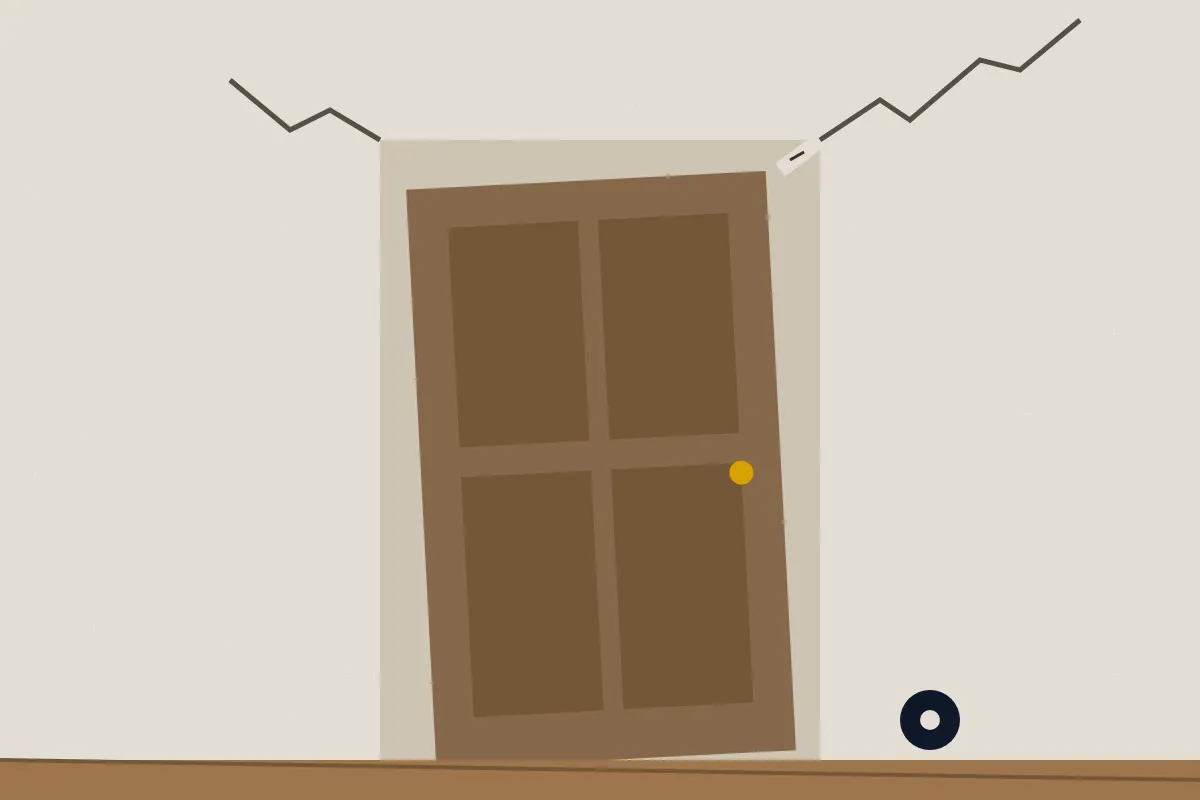
- Doors and windows that stick or will not latch
- Gaps between the floor and baseboards
- Cracks in drywall above doors
- Tile or grout that cracks
Common causes
- Settling piers or posts: common in pier and beam homes and crawl spaces
- Moisture and rot: damp crawl spaces rot joists, sill plates and beams
- Termite damage: weakens wood from the inside
- Undersized or overspanned joists: especially in older homes and additions
- Cut or notched joists: from past plumbing or HVAC work
- Foundation movement: soil settling or clay soil swelling and shrinking
How sagging floors are fixed
- Support posts or jacks: added under beams to shorten spans
- Sistering joists: bolting new lumber alongside weak or damaged joists
- Replacing rotted wood: sills, joists or beams
- New piers or footings: under settled supports
- Shimming and leveling: gradual adjustment of pier and beam homes
- Fixing moisture: drainage, vapor barriers or encapsulation so the problem does not return
Why slow leveling matters
Lifting a house too quickly can crack drywall, tile and plumbing. Good contractors raise sagging areas gradually and check doors, walls and pipes as they go.
Who to call
For a bouncy or sagging floor, a foundation repair company or structural contractor can inspect the crawl space or basement. For large or unclear problems, a structural engineer can assess the house first. Read about foundation repair, crawl space moisture and signs of termites.
Quick answers
What causes sagging floors?
Settling supports, rotted or damaged joists, undersized joists, long beam spans and foundation movement.
Are sagging floors dangerous?
They can signal structural problems, so have them inspected, especially if they get worse.
How are sagging floors fixed?
With support posts, sistered joists, replaced rotted wood, new piers and gradual leveling.
Can a sagging floor be fixed without lifting the house?
Often, by adding supports and reinforcing joists from the crawl space or basement.
Who fixes sagging floors?
A foundation repair company or structural contractor. Sifixit can connect you with local providers.
Related
This guide covered sagging floors. For more background, see the FTC’s advice on hiring a contractor and avoiding home improvement scams, and if you need help, Sifixit can connect you with a local provider.
This guide is general information for homeowners, not professional, insurance or safety advice for your situation.
More helpful guides
- Basement waterproofing: options and how to chooseBasement waterproofing starts outside, with gutters, downspouts and grading that keep water away.
- Crawl space moisture: causes, problems and fixesCrawl space moisture comes from damp ground, outside humid air, plumbing leaks and poor drainage.
- Warning signs of foundation problemsSticking doors and windows, cracks above door frames, sloping floors and stair step cracks in brick are the...