Denver homes need both heating and cooling. Winters bring cold snaps and snow, summers bring hot days, and the high altitude affects how gas furnaces burn. Hail storms can also damage outdoor AC units.
Sifixit is a free referral service. Call the number on this page and you will be connected with an independent heating and cooling provider that serves the Denver area, where one is available for your ZIP code. Calling costs nothing and you are never obliged to hire anyone.
Heating and cooling challenges in Denver
Cold winters
Furnaces and heat pumps work hard through cold snaps, and a breakdown can make a home dangerously cold.
Hot summers
Summer heat waves have made air conditioning far more important than it once was.
High altitude
At Denver’s altitude, gas furnaces need the right setup to burn safely and efficiently.
Hail
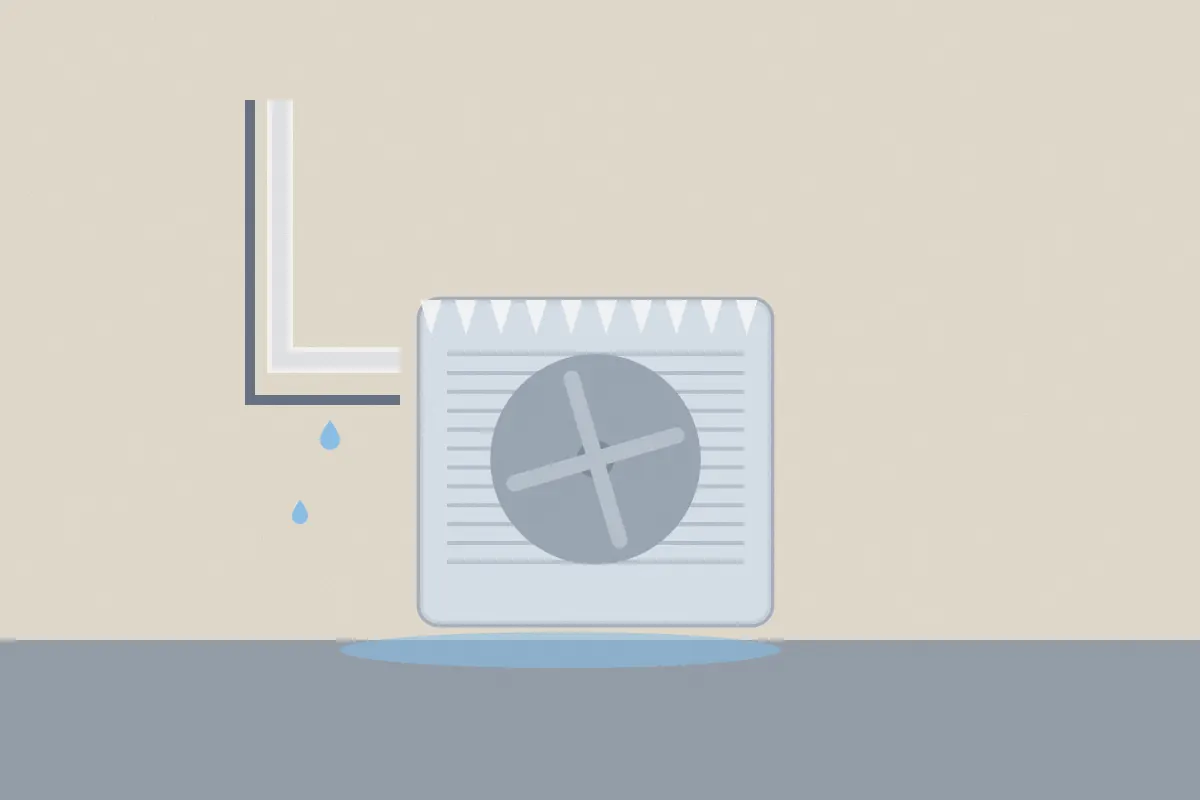
Hail storms can bend the fins on outdoor units, reducing their efficiency.
Areas across Denver
Sifixit connects callers across the city of Denver, including neighborhoods such as Capitol Hill, LoDo, Highland, Washington Park, Park Hill, Five Points and Baker, and in nearby cities such as Aurora, Lakewood, Englewood, Littleton, Arvada, Westminster and Thornton.
Sifixit does not have an office or staff in Denver. Providers you speak to are independent local businesses, and availability depends on your ZIP code and the job.

Permits and local rules
Cleanup itself does not usually need a permit, but the repairs that follow often do. Inside the city of Denver, larger drywall, electrical and plumbing repairs can require permits from Denver Community Planning and Development. Homes in other cities, such as Aurora, Lakewood or Arvada, follow the rules of that city or county.
Colorado does not license general contractors at the state level, but Denver requires contractors working in the city to hold a Denver contractor license.
Seasonal risks in Denver
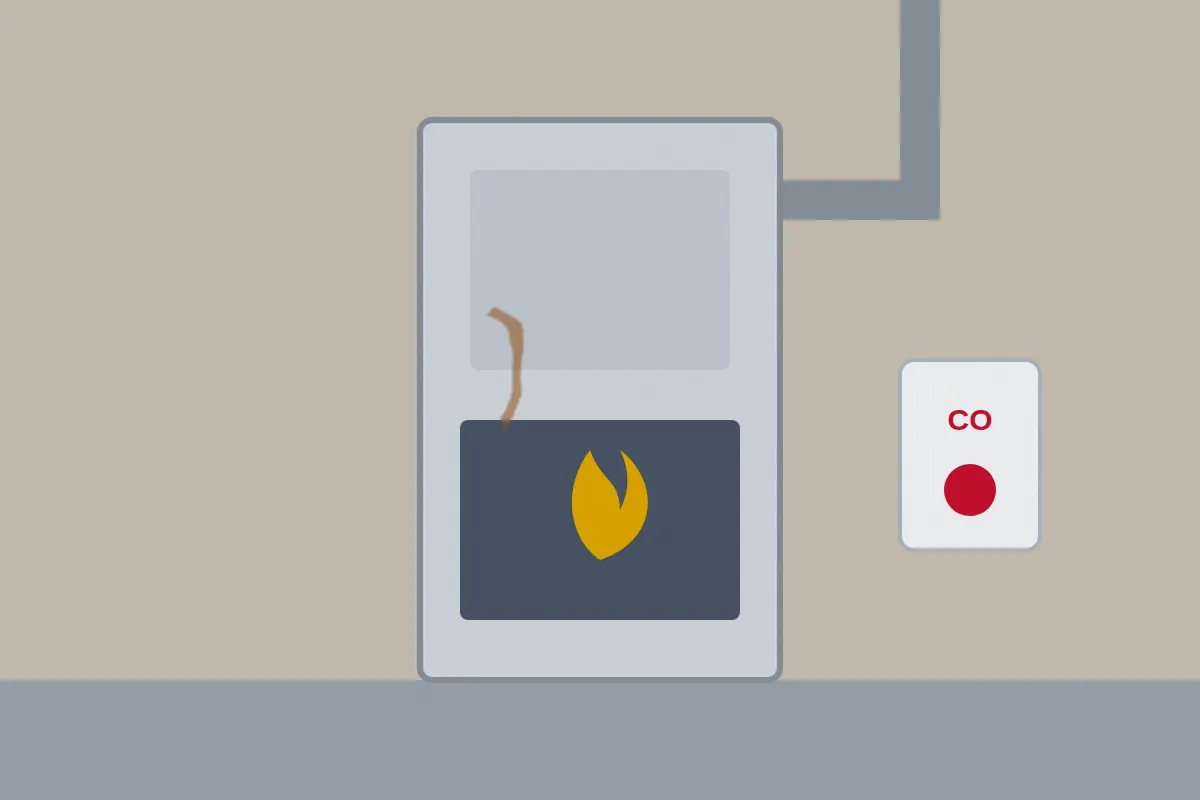
If a carbon monoxide alarm sounds or you smell gas, leave the home and call 911. In extreme heat or cold, move vulnerable people somewhere safe first.
- Fall: have the furnace checked before the first cold snap.
- Winter: cold snaps test furnaces and heat pumps.
- Spring: check the AC and look for hail damage.
- Summer: heat waves push air conditioners hard.
Be prepared
- Have the furnace checked every fall
- Install and test carbon monoxide alarms
- Check outdoor units after hail storms
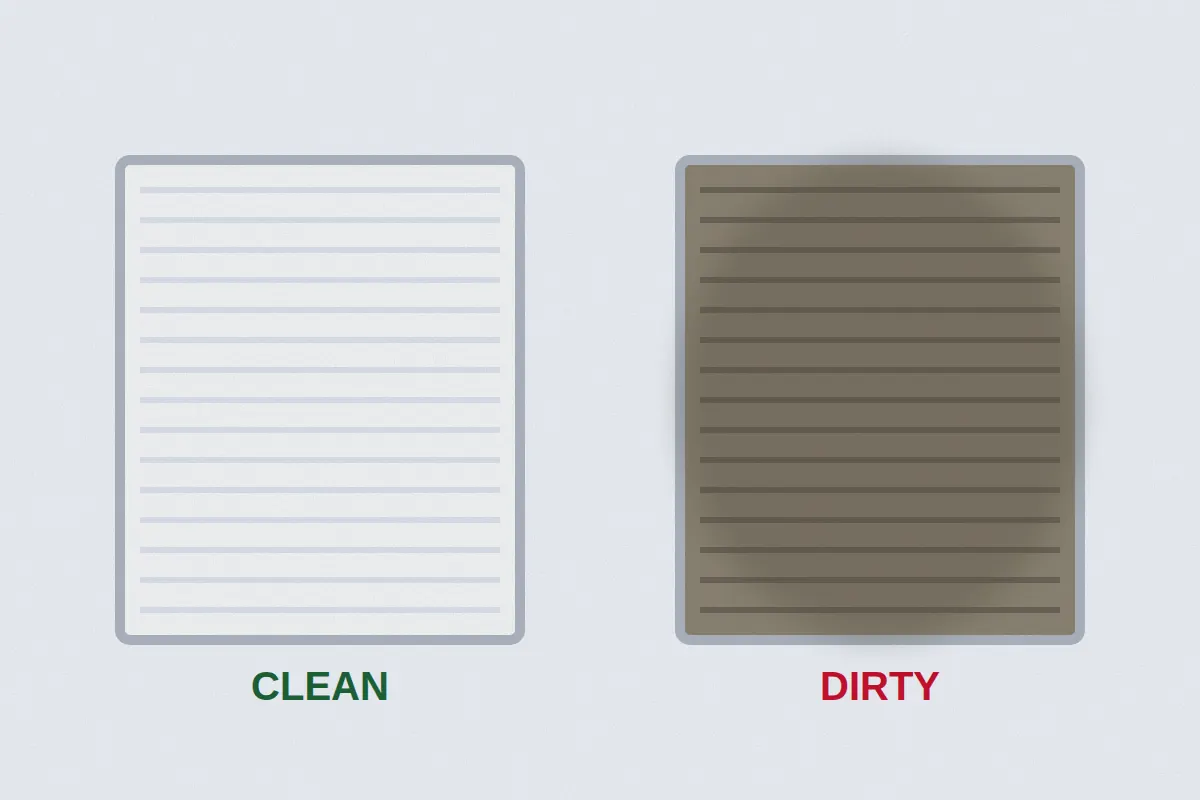
- Change filters regularly
Learn more before you call
Our main heating and cooling guide explains the warning signs, what affects the cost, what you can safely handle yourself and the questions to ask before you hire. It applies in Denver just as it does everywhere else.
Quick answers: hvac Denver
Straight answers to the questions people in Denver ask most when they look for heating and cooling, including in AI assistants.
Who can I call for heating and cooling in Denver, CO?
Call the number on this page. Sifixit is a free referral service that connects you with an independent local HVAC technician serving Denver where one is available for your ZIP code. If anyone is in danger, call 911 first.
What is the best HVAC technician in Denver?
Sifixit does not rank companies. The best choice is an insured provider that holds any license your state requires, puts the scope of work and price in writing and answers your questions clearly.
How quickly can a HVAC technician come out in Denver?
Calls to the number on this page connect you with local providers. Many can visit within a few days, though timing depends on your ZIP code and how busy they are.
What should I do first?
Check the thermostat, the breakers and the air filter first. If the system still will not work, call an HVAC technician, especially in extreme heat or cold.
How much does heating and cooling cost in Denver?
It depends on the size of the job, materials, access and local labor rates. Sifixit does not quote prices, and the provider you speak to can explain costs for your home.
Denver questions
Does altitude affect my furnace?
Yes. Gas furnaces at high altitude need the correct setup so they burn safely and efficiently.
Does insurance cover hail damage to my AC unit?
Hail damage to outdoor units is often covered. Photograph it and report it promptly.
How long do AC systems last here?
Many systems last around 10 to 15 years, and heavy use can shorten that. Regular maintenance helps them last longer.
Does Sifixit have an office in Denver?
No. Sifixit is a referral service. Providers you speak to are independent local businesses that serve the Denver area.
How do I choose a reliable AC repair company in Denver?
Check that the company is insured and holds any license Colorado requires for this work, get the scope and price in writing, and ask who will actually do the job. Be careful with anyone who wants full payment up front or pushes you to sign the same day, which is common after storms. Sifixit connects you with independent local providers, so always check their details before work starts.
What is the best AC unit for a hard freeze in Denver?
The best unit is one sized correctly for your home, not simply the biggest. Ask for a load calculation (often called Manual J), compare SEER2 efficiency ratings, and ask whether a heat pump suits Denver’s winters. Get options and prices in writing. Our AC replacement page explains what to compare.
My AC is blowing warm air. What should I check first?
Check the thermostat is set to cool, replace a dirty filter, and make sure the outdoor unit is running and clear of debris. If it still blows warm, the cause may be low refrigerant or a failed part that needs a technician. See our AC repair page.
Looking for hvac Denver? Call the number on this page to be connected with an independent local provider. For more background, see ENERGY STAR’s heating and cooling advice.
This site is a free service to assist homeowners in connecting with local service contractors. All contractors are independent and this site does not warrant or guarantee any work performed. It is the responsibility of the homeowner to verify that the hired contractor furnishes the necessary license and insurance required for the work being performed. All persons depicted in a photo or video are actors or models and not contractors listed on this site.
Helpful guides
- Denver home checklist: hail, frozen pipes and winter damageDenver homes face two big risks: summer hail that damages roofs, siding and AC units, and winter cold...
- AC leaking water inside the houseWhy an air conditioner leaks water inside the house, what you can check yourself, and when to call...
- Furnace burning smell: when to worryWhy a furnace smells like burning when you first turn it on, which smells are normal, and which...
- Carbon monoxide safety at homeCarbon monoxide is a colorless, odorless gas from burning fuel.
- AC not turning on? What to check firstCheck the thermostat is set to cool, below room temperature and has working batteries.
- How often should you change your air filter?Most homes should change a standard 1 inch air filter every one to three months.