
Almost every foundation has some cracks, and many are harmless. The key is telling the difference between a small shrinkage crack and one that signals movement or lets water in. Here is how to read the cracks and what can be done about them.
Sifixit is a free referral service. Call the number on this page and you will be connected with an independent foundation repair provider where one serves your area. Calling costs nothing and you are never obliged to hire anyone.
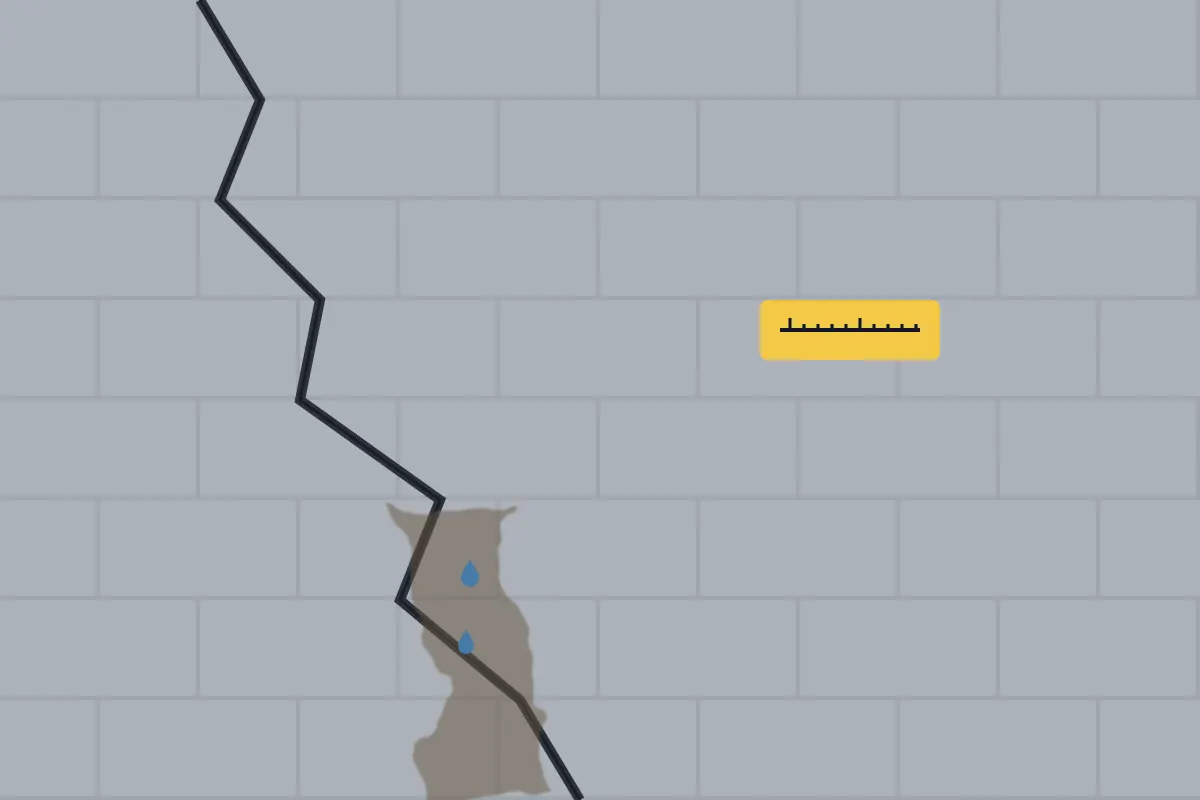
Cracks that need a closer look
These cracks are more likely to need repair or an assessment.
- Cracks wider than about a quarter inch
- Cracks that keep growing
- Horizontal cracks in basement walls
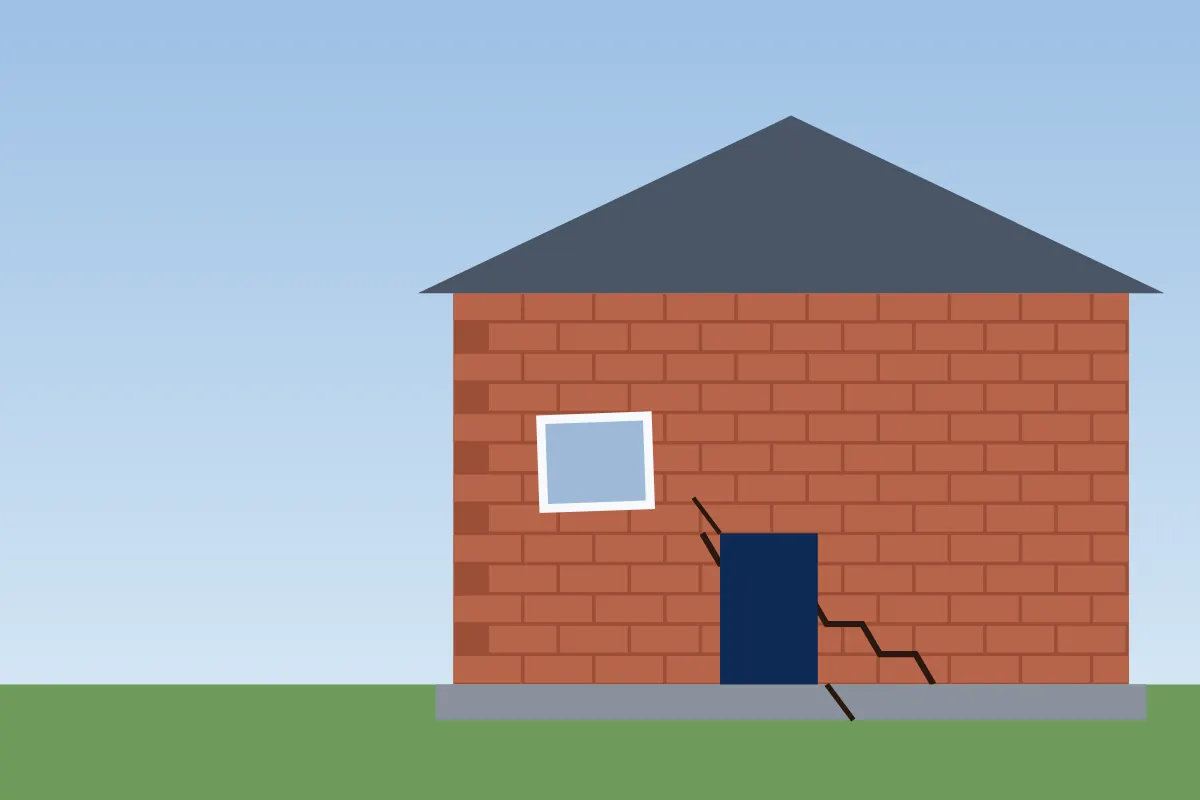
- Stair step cracks in block or brick
- Cracks with one side higher than the other
- Cracks that let water in
What to do right now
If a basement wall bows inward or a crack widens quickly, keep people away from that wall and call for an inspection right away.
- Mark both ends of the crack with a pencil and write the date
- Measure the width and take a photo with a ruler
- Check again every few weeks to see if it grows
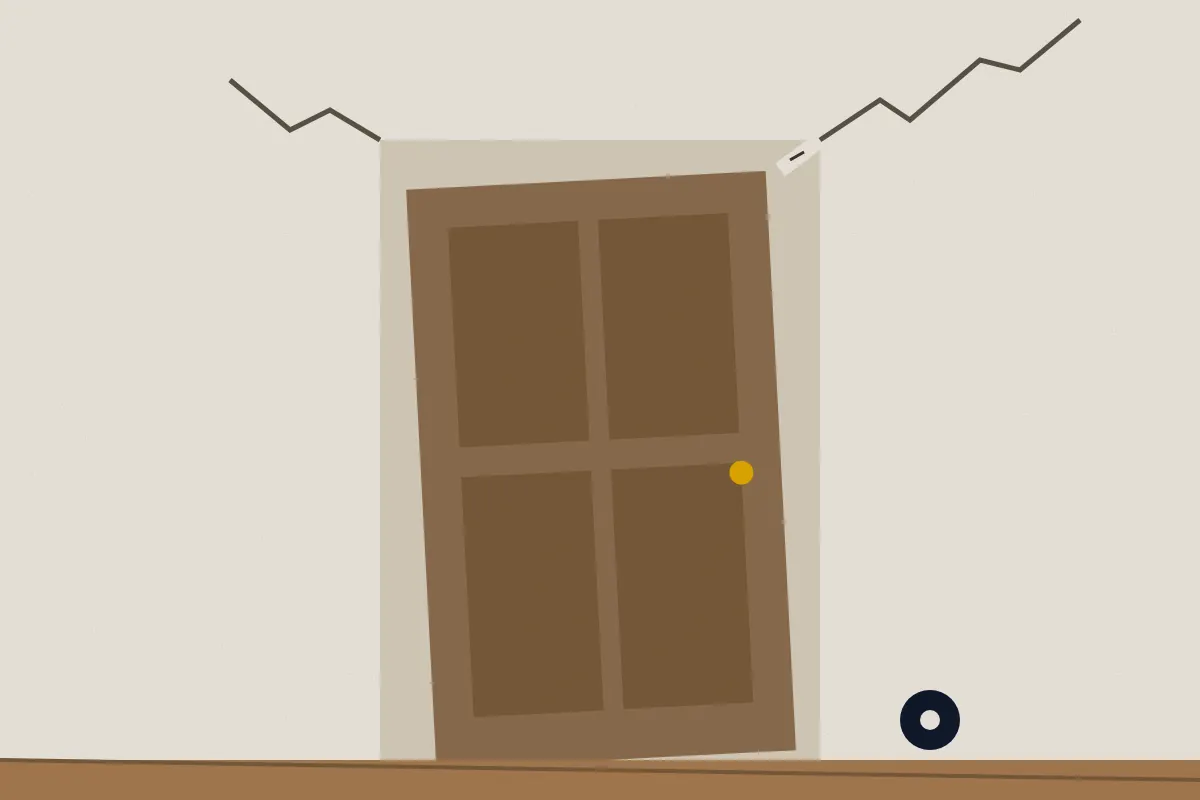
- Note any doors or windows that stick
- Keep gutters and downspouts working
- Call for an inspection if it grows or leaks
Common kinds of cracks
Hairline vertical cracks
Common in poured concrete as it cures and shrinks. Often cosmetic, but they can leak.
Horizontal cracks
Often caused by soil pressure pushing on basement walls. These need attention.
Stair step cracks
Follow the mortar lines in block or brick and can signal settling or pressure.
Diagonal cracks
Often from uneven settling, where one part of the foundation moves more than another.
How foundation cracks are repaired
- The provider or an engineer finds the cause of the crack.
- Leaking cracks are often sealed with a flexible polyurethane injection.
- Structural cracks in poured walls may be bonded with epoxy injection.
- Bowing walls may be braced with carbon fiber straps, steel beams or wall anchors.
- If the foundation is settling, piers may be installed to support it.
Preventing new cracks
- Keep gutters clean and extend downspouts away from the house
- Make sure soil slopes away from the foundation
- Fix plumbing leaks quickly
- Avoid planting large trees close to the house
- Keep soil moisture steady during long dry spells where clay is common
Questions to ask before you hire
- What is causing this crack?
- Is it structural, or just leaking?
- Which repair method do you recommend, and why?
- Should I get an independent engineer’s opinion?
- What warranty do you give on the repair?
Frequently asked questions
Are hairline foundation cracks normal?
Thin vertical cracks from concrete shrinking are common and often cosmetic. Seal them if they leak, and watch for growth.
When is a crack serious?
Wide, growing, horizontal or offset cracks, or cracks with sticking doors and sloping floors, need an assessment.
Can I fill a crack myself?
Small non structural cracks can be sealed with kits, but that will not fix movement. Have growing cracks checked first.
Will sealing a crack stop leaks?
A proper injection usually stops water through that crack. Improving drainage helps stop new leaks.
Learn more
Our main foundation repair guide covers the wider picture, including what affects the cost and when to call a professional.
Sifixit is a free referral service and does not provide home services. Calls may be answered by a partner call center or connected directly to independent local providers, who are solely responsible for their work, pricing, licensing and insurance.