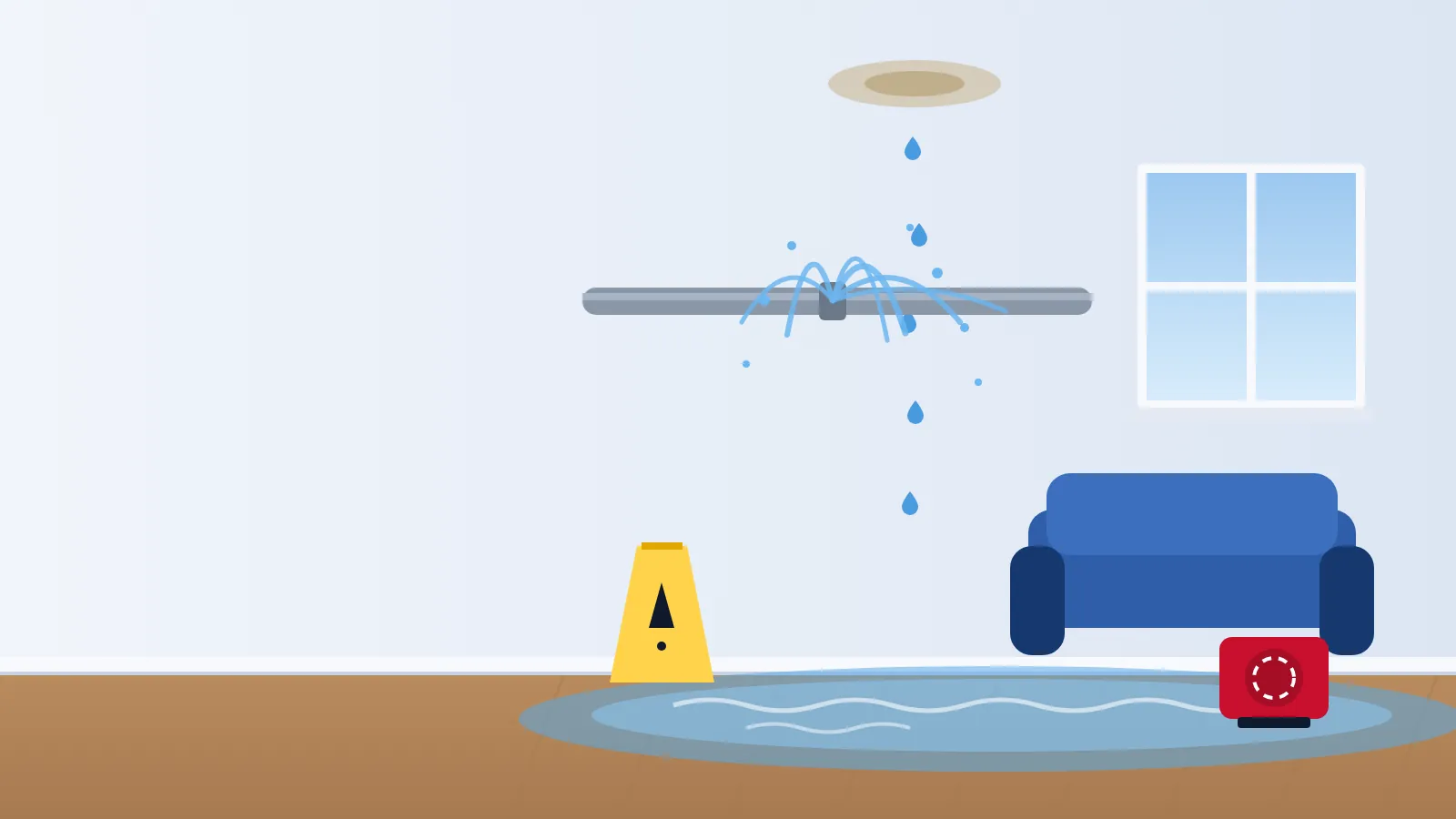
A flooded basement is one of the most common kinds of water damage, and one of the most stressful. Water can come in through walls, floors, windows and drains, and it often damages stored belongings, furnaces, water heaters and finished rooms.
Sifixit is a free referral service. Call the number on this page and you will be connected with an independent water damage restoration provider where one serves your area. Calling costs nothing and you are never obliged to hire anyone.
Signs of a basement water problem
A basement does not have to be under water to have a water problem. Watch for these early signs.
- Standing water on the floor, even a thin film
- Damp or dark patches on walls or the floor
- White, chalky deposits on concrete walls
- A musty smell that does not clear
- Water around the sump pit or the floor drain
- Rust on the bottom of the water heater or furnace
What to do right now
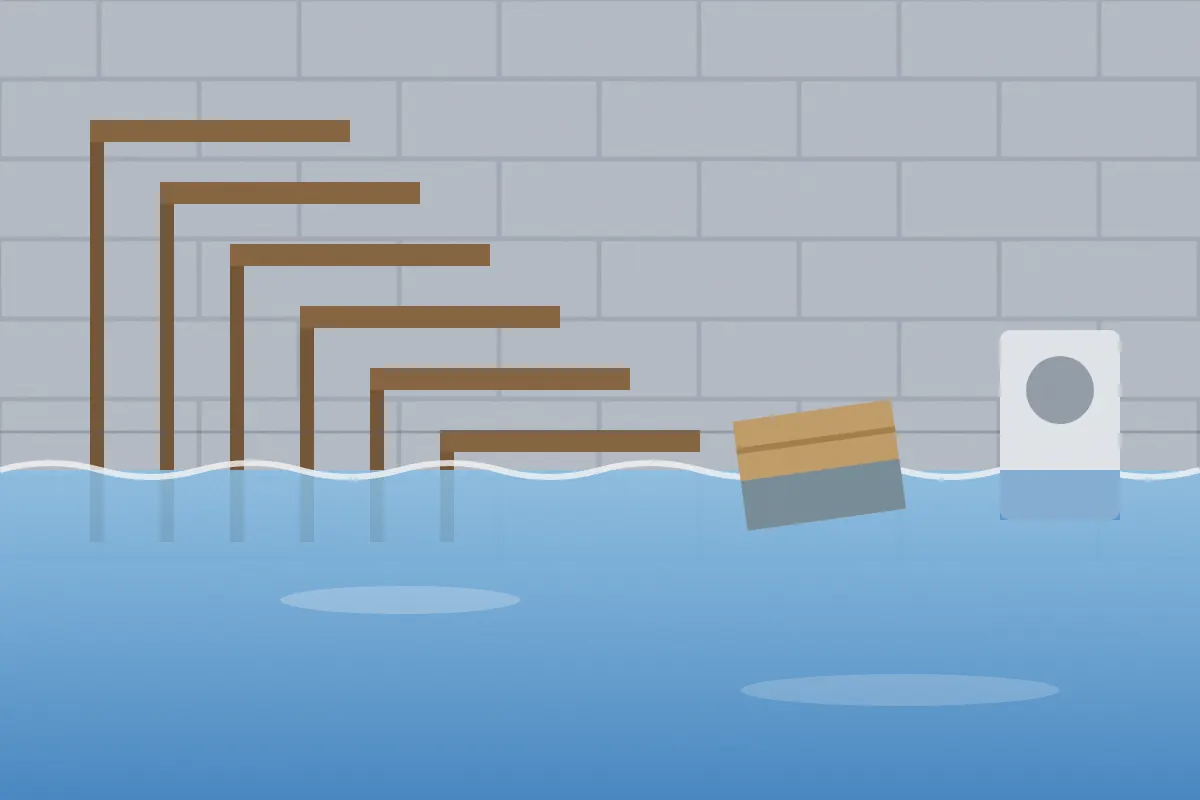
Do not enter a flooded basement if water may be touching outlets, cords or appliances. Ask your power company to shut off the electricity first. If you smell gas, leave the home and call 911.
- Stay out until you are sure the power is off in the basement.
- Find where the water is coming from, if you can do so safely.
- If it is a pipe, shut off the main water valve.
- Move valuables to a higher floor once it is safe to enter.
- Take photos and video of the water and the damage.
- Call a restoration provider to pump out and dry the space.
Why basements flood
Heavy rain and groundwater
Water in saturated soil pushes against walls and floors and finds its way through cracks and joints.
Sump pump failure
A sump pump can fail from a power outage, a stuck float switch or old age, often during the storm when it is needed most.
Sewer backup
When a sewer line is overwhelmed or blocked, sewage can come up through the floor drain. This is contaminated water and needs special cleanup.
Burst pipes and appliances
Water heaters, washing machines and pipes in unheated basements can leak or burst.
How a professional cleans up a flooded basement
- The provider checks that the power is off and the area is safe.
- Standing water is pumped out and the rest is extracted.
- The water is classed as clean, gray or black water, which decides what can be saved.
- Wet drywall, insulation, carpet and stored items that cannot be saved are removed.
- Surfaces are cleaned and, after dirty water, disinfected.
- Air movers and dehumidifiers run until moisture readings are back to normal.
How to keep your basement dry
- Test your sump pump before the wet season by pouring water into the pit
- Add a battery backup pump in case the power goes out
- Keep gutters clear and extend downspouts well away from the house
- Make sure soil slopes away from the foundation
- Fit covers over window wells
- Ask a plumber about a backwater valve if sewage has backed up before
Questions to ask before you hire
- Is this clean water, gray water or black water, and what does that change?
- Will you check my sump pump and tell me why the water got in?
- Which materials and belongings can be saved?
- How will you prevent mold after drying?
- Will you work with my insurance company and document the damage?
Frequently asked questions
Does insurance cover a flooded basement?
It depends on the cause. A burst pipe is commonly covered. Groundwater and outside flooding usually need flood insurance. Sump pump failure and sewer backup often need a separate endorsement on your homeowners policy.
Can I pump out the basement myself?
Small amounts of clean water can often be removed with a wet vacuum once the power is off. Deep water should be pumped out gradually by a professional, because draining it too fast can damage basement walls.
What should I throw away after a basement flood?
Anything soaked by sewage or outside flood water that cannot be disinfected, such as carpet, pads, mattresses and cardboard, is usually thrown away. Take photos first for your insurer.
How do I stop my basement flooding again?
Fix the cause. That might mean a new or backup sump pump, better gutters and grading, sealing cracks or a backwater valve. Ask the provider what they think caused it.
Learn more
Our main water damage restoration guide covers the wider picture, including what affects the cost and when to call a professional.
Sifixit is a free referral service and does not provide home services. Calls may be answered by a partner call center or connected directly to independent local providers, who are solely responsible for their work, pricing, licensing and insurance.