Short answer: Minneapolis winters bring long cold spells and heavy snow, which cause two common kinds of water damage: ice dams that leak into ceilings and walls, and frozen pipes that burst. Air seal and insulate the attic, rake snow off the lower roof, insulate exposed pipes, keep the heat on and know where your main water valve is.
Minnesota winters are hard on homes. Many Minneapolis houses are older, with attics that leak warm air and pipes in outside walls. This checklist covers Minneapolis ice dams and frozen pipes.
Ice dams
- Look for thick ice along roof edges and large icicles
- Watch for stains on ceilings near outside walls
- Rake snow off the lower few feet of the roof from the ground after big storms
- Do not chip ice or climb on an icy roof
- Long term fix: air seal the attic floor, add insulation and improve roof ventilation
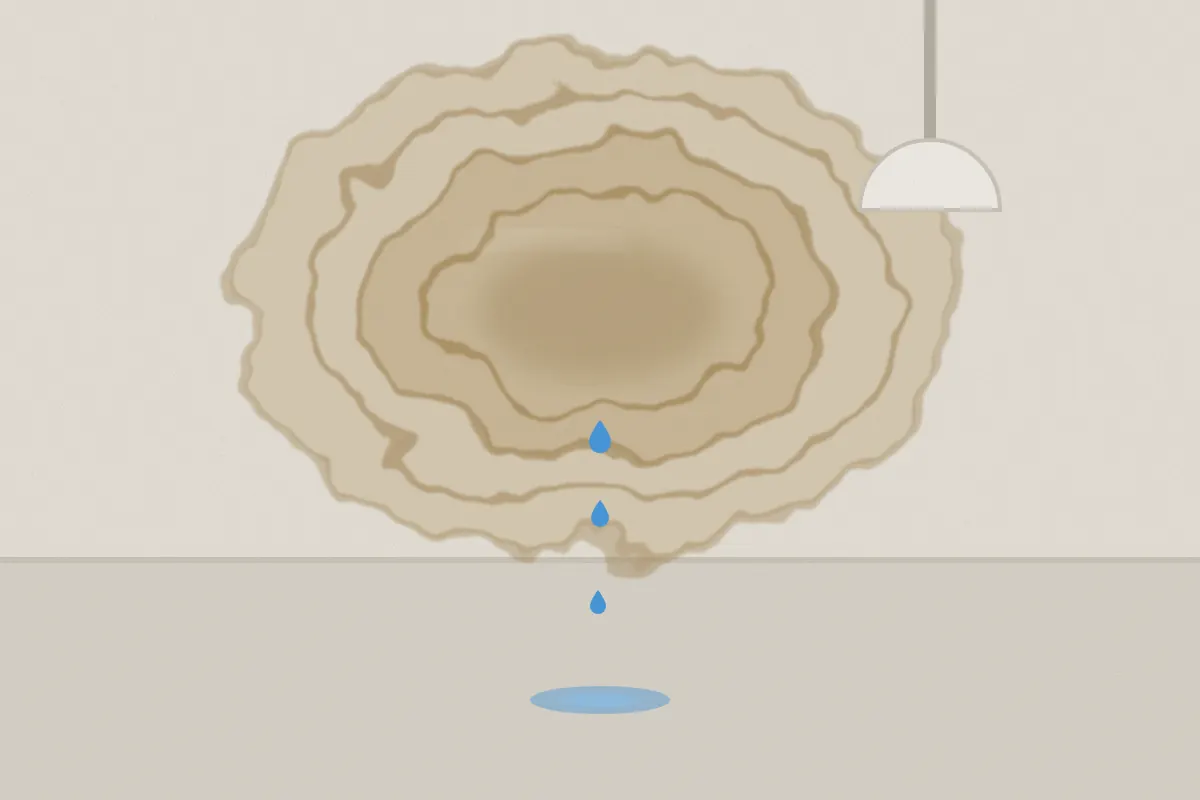
Read our guide to ice dams.
Frozen pipes
- Insulate pipes in crawl spaces, garages, basements and outside walls
- Seal drafts near pipes
- Disconnect hoses and shut off outdoor faucets before the first freeze
- Keep the heat on when away
- Open cabinet doors under sinks on outside walls during extreme cold
- Let a faucet drip on the coldest nights
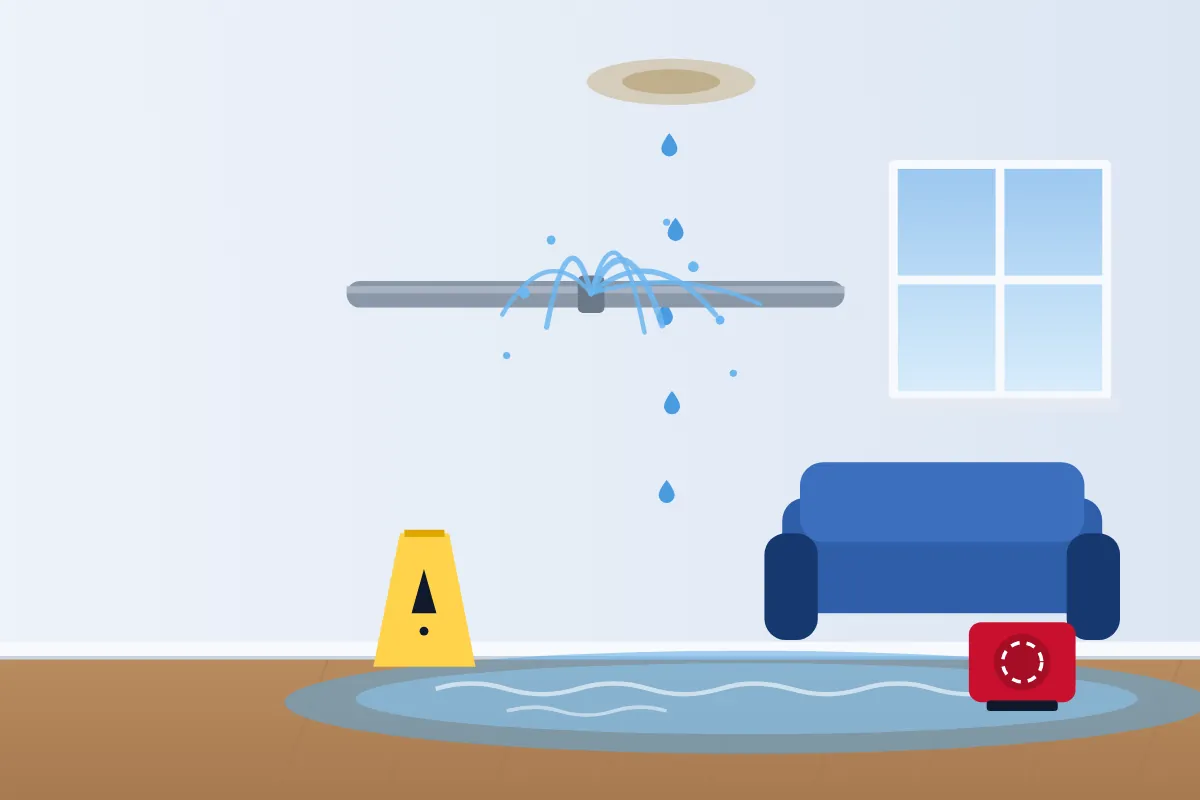
If a pipe bursts, shut off the main water valve right away, switch off power to wet areas if safe, and call a plumber and a water damage company.
Furnace and carbon monoxide safety
Furnaces run for months in Minneapolis. Have yours checked every fall, change filters regularly, keep vents clear of snow and test carbon monoxide alarms monthly. Read carbon monoxide safety and how often to change your air filter.
Spring thaw
When snow melts quickly, water can seep into basements. Keep downspouts extended, clear snow away from the foundation and test the sump pump. Read basement waterproofing and frozen pipes.
Local help in Minneapolis
- Water damage restoration in Minneapolis
- Fire damage restoration in Minneapolis
- Siding in Minneapolis
- Kitchen remodeling in Minneapolis
Quick answers: minneapolis ice dams
How do I prevent ice dams in Minneapolis?
Air seal and insulate the attic, improve ventilation and rake snow off the lower roof.
How do I stop pipes freezing in Minnesota?
Insulate exposed pipes, seal drafts, keep the heat on and drip faucets on the coldest nights.
Does insurance cover ice dam leaks?
Water damage inside from ice dams is often covered. Prevention and roof repairs may not be.
What should I do if a pipe bursts?
Shut off the main water valve, switch off power to wet areas if safe, and call for help.
Who fixes winter water damage in Minneapolis?
Sifixit can connect you with a local water damage restoration provider.
Related
This guide covered minneapolis ice dams. For more background, see FEMA’s flood insurance pages, and if you need help, Sifixit can connect you with a local provider.
This guide is general information for homeowners, not professional, insurance or safety advice for your situation.
More helpful guides
- Water leaking from the unit above youWhat to do when water leaks into your apartment or condo from the unit above, and who usually...
- Washing machine flooded the laundry roomWhat to do when a washing machine floods the laundry room, from stopping the water to drying the...
- Water damaged hardwood floors: can they be saved?Often, yes, if the water was clean and drying starts within a day or two.
- What to do after a flood in your homeReturn only when officials say it is safe, keep the power off until an electrician checks it, and...
- Washing machine and appliance leaks: how to prevent and handle themWashing machines, water heaters, dishwashers, refrigerator ice makers and toilets cause many household water damage claims, usually from...
- Can you stay in your house during water damage restorationOften yes, if the damage is limited to a few rooms of clean water, the power is safe...