Short answer: Many D.C. row houses are over 100 years old, with brick and stone foundations, basements prone to leaks and shared walls with neighbors. Keep gutters and downspouts working, fix grading and window wells, seal cracks, and consider interior drainage with a sump pump. Structural work such as underpinning needs permits and usually agreements with neighbors.
Washington, D.C.’s row houses are beautiful, but their old foundations and basements need care. Heavy summer storms, old mortar and shared walls make D.C. basement leaks common. This guide covers the causes and the fixes.
Why D.C. basements leak
- Old brick and stone foundations with worn mortar
- Front and rear areaways and stairwells that collect water
- Downspouts that empty next to the house or into old drains
- Clay soils that hold water
- Heavy summer thunderstorms that overwhelm drains
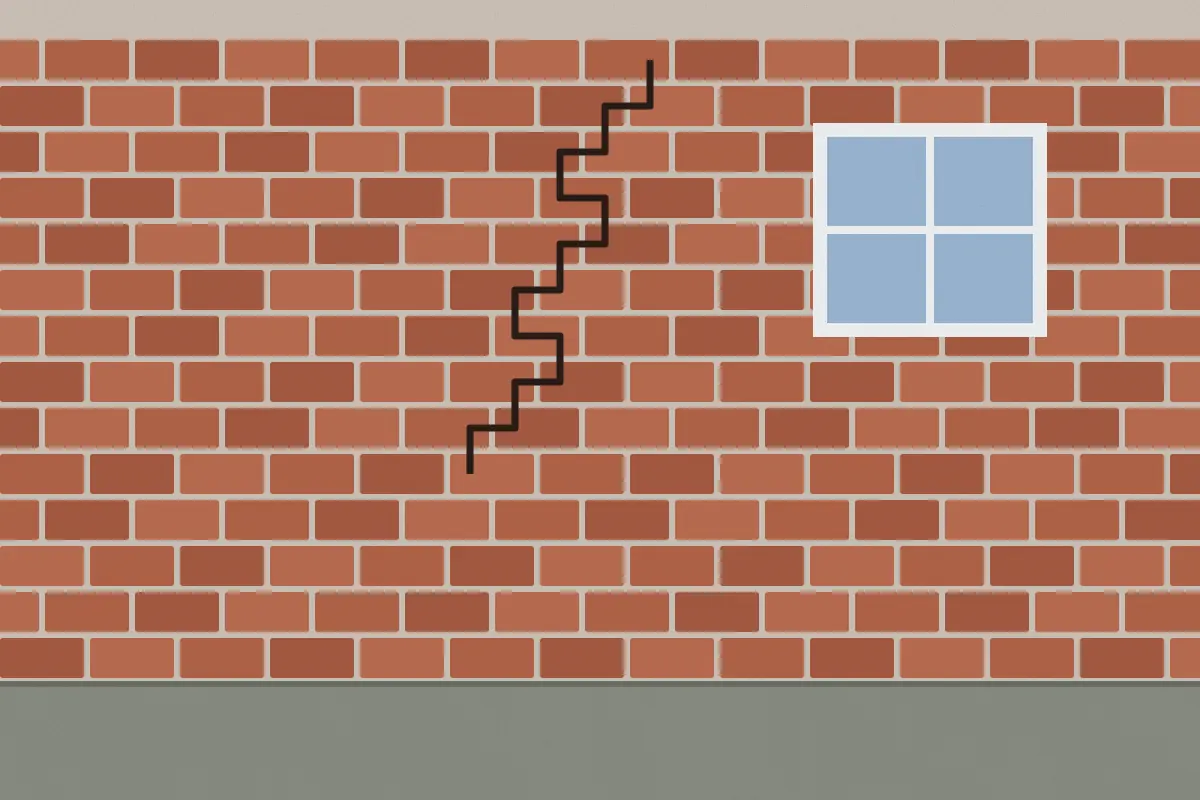
Fixes that often help
- Extend downspouts and clear areaway drains
- Regrade the yard to slope away from the house
- Repoint worn mortar on foundation walls
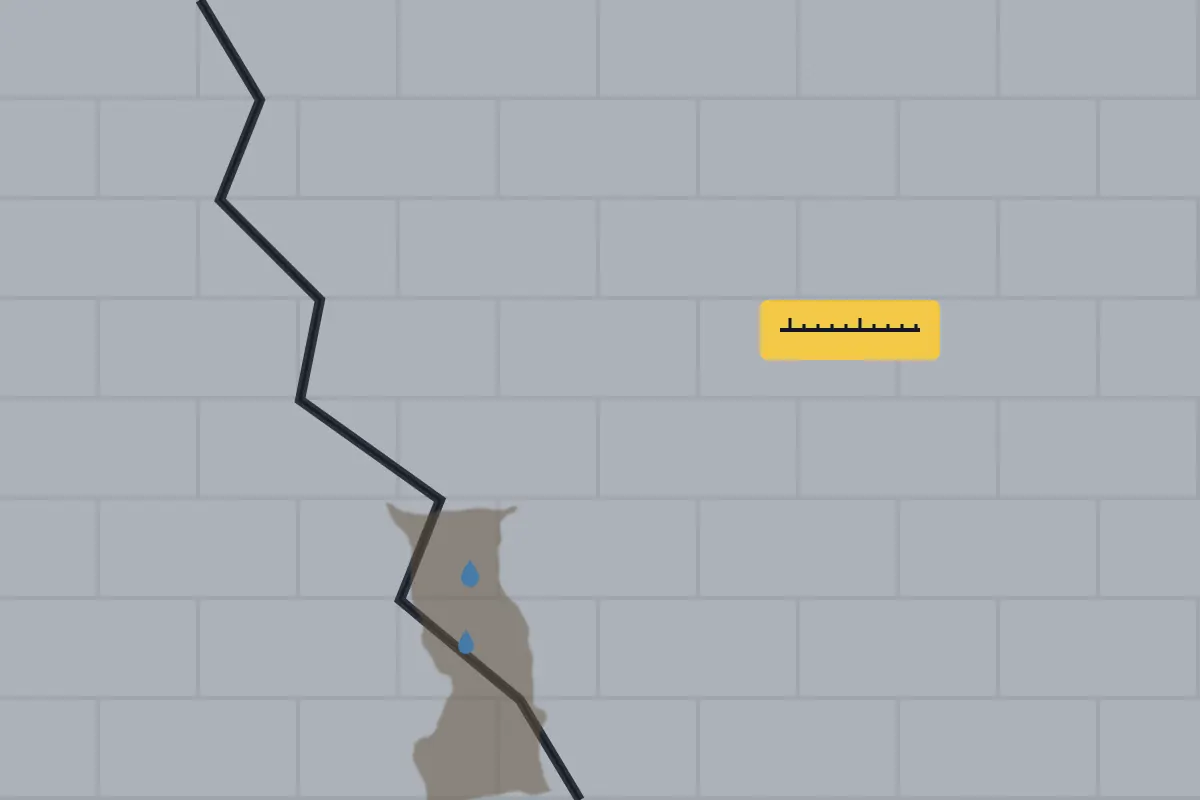
- Seal cracks and fix window wells
- Install interior drainage and a sump pump for persistent leaks
- Use a dehumidifier to control dampness
Basement lowering and underpinning
Many D.C. owners lower basements to add living space. This means underpinning, digging below the existing foundation in sections and supporting it with new concrete. Because row houses share walls, it usually needs engineering, permits from the D.C. Department of Buildings and notice to or agreements with neighbors. Home improvement contractors in D.C. need a license from the Department of Licensing and Consumer Protection.
Water and sewer
DC Water handles the public water and sewer system. Heavy storms can overload older combined sewers in parts of the city, and a backwater valve can help protect basements from sewer backups.

Read basement waterproofing options and downspout drainage.
Local help in Washington, D.C.
- Foundation repair in Washington, D.C.
- Mold removal in Washington, D.C.
- Roofing in Washington, D.C.
- Biohazard cleanup in Washington, D.C.
Quick answers: d.c. basement leaks
Why does my D.C. basement leak?
Old mortar, areaways that collect water, downspouts near the house and heavy storms are common causes.
Can I lower my row house basement?
Often, with underpinning, engineering, permits and agreements with neighbors on shared walls.
Do contractors need a license in D.C.?
Home improvement contractors need a license from the Department of Licensing and Consumer Protection.
Can a backwater valve help my D.C. basement?
It can help protect against sewer backups during heavy storms. Ask a licensed plumber.
Who fixes basement leaks in D.C.?
Sifixit can connect you with local foundation repair providers.
Related
- Foundation repair in Washington, D.C.
- Basement waterproofing
- Downspout drainage
- What causes a sewer backup
This guide covered d.c. basement leaks. For more background, see the FTC’s advice on hiring a contractor and avoiding home improvement scams, and if you need help, Sifixit can connect you with a local provider.
This guide is general information for homeowners, not professional, insurance or safety advice for your situation.
More helpful guides
- Sagging floors: causes and how they are fixedSagging floors are usually caused by settling or failing supports under the house, joists that are rotted, damaged...
- Basement waterproofing: options and how to chooseBasement waterproofing starts outside, with gutters, downspouts and grading that keep water away.
- Crawl space moisture: causes, problems and fixesCrawl space moisture comes from damp ground, outside humid air, plumbing leaks and poor drainage.
- Warning signs of foundation problemsSticking doors and windows, cracks above door frames, sloping floors and stair step cracks in brick are the...