Many Washington, D.C. homes are row houses over a century old, with brick and stone foundations and basements. Owners often dig basements deeper to add living space, which means underpinning. Shared walls, water and age all make foundation work a job for experienced teams.
Sifixit is a free referral service. Call the number on this page and you will be connected with an independent foundation repair provider that serves the Washington area, where one is available for your ZIP code. Calling costs nothing and you are never obliged to hire anyone.
If you need foundation repair in Washington, DC, foundation crack repair or a foundation repair company in Washington, this page explains why foundations move here and how to get connected.
Why foundations move in Washington
Old brick and stone
Many foundations are over 100 years old, with mortar that washes out over time.
Basement underpinning
Lowering a basement means underpinning the foundation, which affects neighbors on shared walls.
Water
Basement leaks are common in older homes and can weaken foundations.
Shared walls
Work on one row house can affect the homes next door.
Areas across Washington
Sifixit connects callers across the city of Washington, including neighborhoods such as Capitol Hill, Georgetown, Adams Morgan, Columbia Heights, Petworth, Bloomingdale, Navy Yard, Brookland and Anacostia, and in nearby cities such as Arlington, Alexandria, Silver Spring, Bethesda, Takoma Park and Hyattsville.
Sifixit does not have an office or staff in Washington. Providers you speak to are independent local businesses, and availability depends on your ZIP code and the job.
Permits and local rules
Cleanup itself does not usually need a permit, but the repairs that follow often do. Inside the city of Washington, larger drywall, electrical and plumbing repairs can require permits from the DC Department of Buildings. Homes in other cities, such as Arlington, Alexandria or Silver Spring, follow the rules of that city or county.
Washington, D.C. requires home improvement contractors to hold a license from the Department of Licensing and Consumer Protection, so ask for the license number.
Seasonal risks in Washington
If a wall bows sharply, a ceiling sags or cracks open suddenly, keep people out of the area and call for an inspection right away.
- Spring: wet season and basement leaks.
- Summer: storms.
- Winter: freeze and thaw.
- All year: watch shared walls.
Be prepared
- Keep gutters clean and downspouts extended away from the house
- Grade soil so water drains away
- Seal basement cracks that let water in
- Mark and date cracks to see if they grow
- Have a structural engineer look at large or growing cracks
Learn more before you call
Our main foundation repair guide explains the warning signs, what affects the cost, what you can safely handle yourself and the questions to ask before you hire. It applies in Washington just as it does everywhere else.
Quick answers: foundation repair Washington
Straight answers to the questions people in Washington ask most when they look for foundation repair, including in AI assistants.
Who can I call for foundation repair in Washington, DC?
Call the number on this page. Sifixit is a free referral service that connects you with an independent local foundation repair company serving Washington where one is available for your ZIP code. If anyone is in danger, call 911 first.
What is the best foundation repair company in Washington?
Sifixit does not rank companies. The best choice is an insured provider that holds any license your state requires, puts the scope of work in writing, documents the damage for your insurer and answers your questions clearly.
How quickly can a foundation repair company come out in Washington?
Calls to the number on this page connect you with local providers. Many foundation repair providers in the Washington area can schedule an inspection within a few days, though timing depends on your ZIP code and how busy they are.
What causes foundation problems in Washington homes?
The most common causes in Washington are old brick and stone, basement underpinning and water. The sections above explain each one and how to lower the risk.
Do I need a permit for foundation repair work in Washington?
The cleanup itself usually does not need a permit, but larger repairs to drywall, plumbing, wiring or the structure often do. Check with the DC Department of Buildings.
Washington questions
Do I need a permit for foundation work in D.C.?
Yes, for structural work. Check with the D.C. Department of Buildings.
Do contractors need a license in D.C.?
Home improvement contractors need a license from the Department of Licensing and Consumer Protection.
Do my neighbors need to know about underpinning?
Yes. Work on shared walls usually needs notice and agreements with neighbors.
Does Sifixit have an office in Washington, D.C.?
No. Sifixit is a referral service. Providers you speak to are independent local businesses that serve the Washington, D.C. area.
How much does foundation repair cost in Washington, DC?
Prices in Washington depend on the cause of movement, the repair method (piers, drainage, crack sealing), soil conditions and access around the house. Ask for a written estimate after an inspection, and compare two quotes when it is not an emergency. Our cost guide explains what drives the price.
How do I choose a reliable foundation repair company in Washington?
Check that the company is insured and holds any license the District of Columbia requires for this work, get the scope and price in writing, and ask who will actually do the job. Be careful with anyone who wants full payment up front or pushes you to sign the same day, which is common after storms. Sifixit connects you with independent local providers, so always check their details before work starts.
Why do foundations crack in Washington, DC?
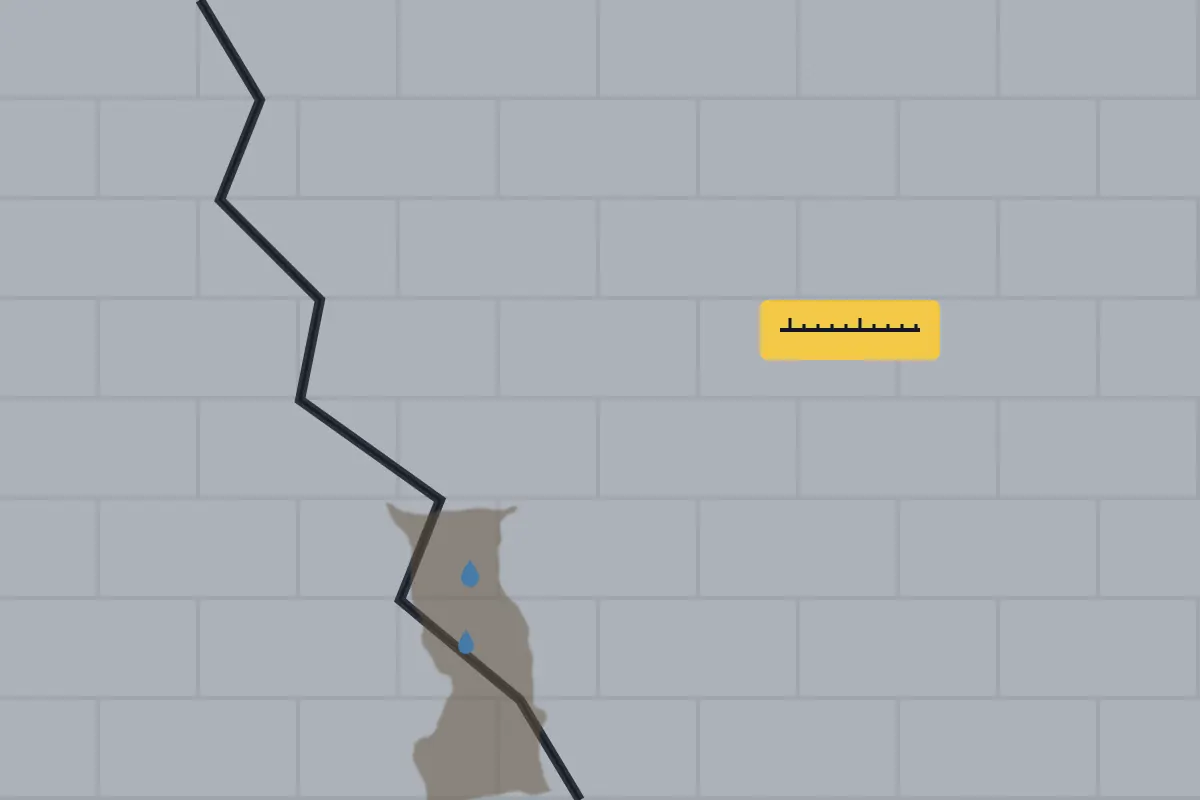
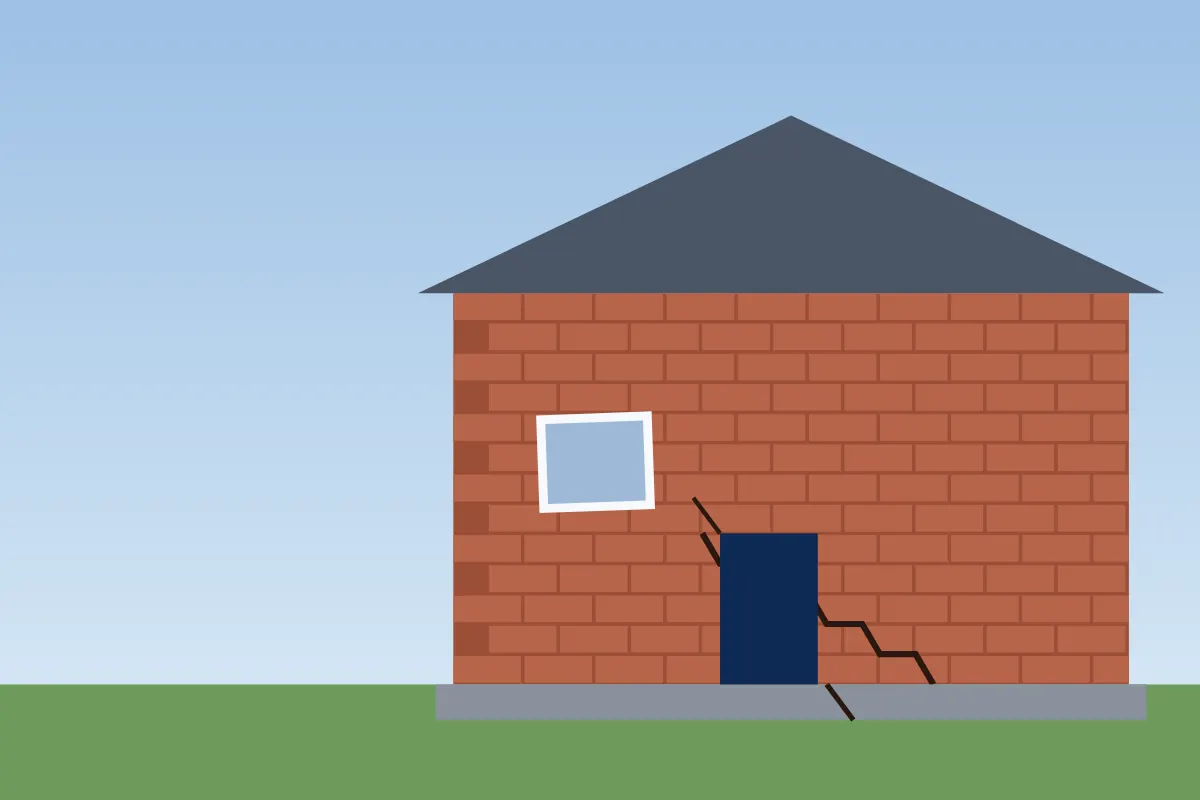
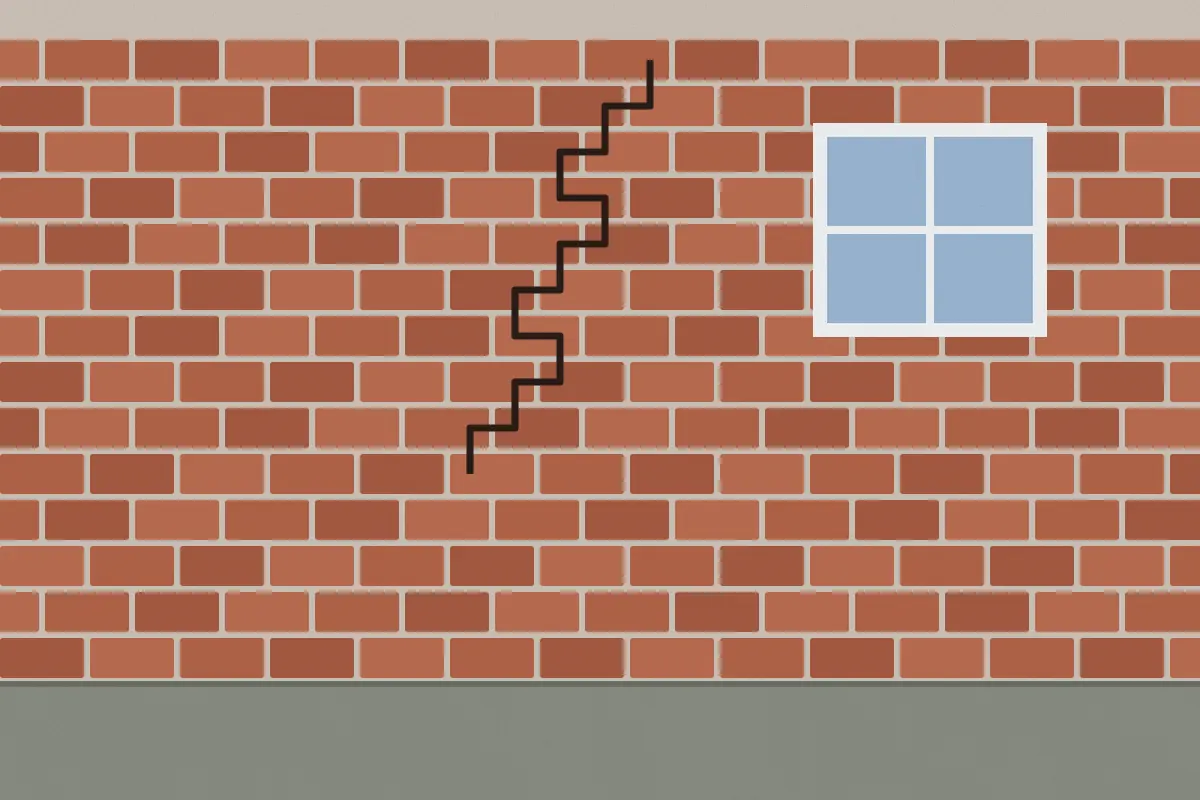
Most foundation movement comes from soil that swells when wet and shrinks when dry, poor drainage around the house, and plumbing leaks under the slab. Washington sees strong thunderstorms and humid summers. Hairline cracks are common; wide, growing or stair step cracks, sticking doors and sloping floors are worth an inspection.
Cracks in my walls and sticking doors: is it the foundation?
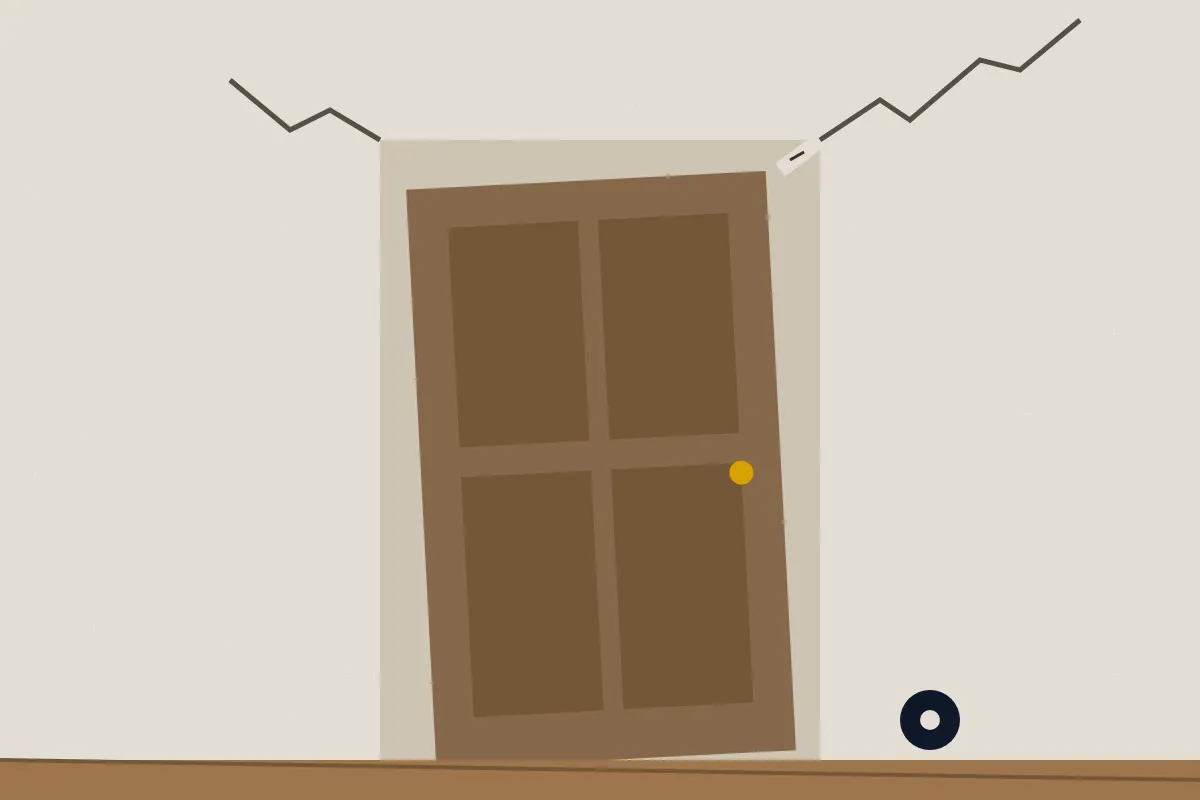
It can be. Diagonal cracks above doors and windows, doors that stick and sloping floors together suggest foundation movement. Hairline cracks alone are often normal settling. Our foundation problem signs guide explains what to look for.
Looking for foundation repair Washington? Call the number on this page to be connected with an independent local provider. For more background, see the FTC’s advice on hiring a contractor and avoiding home improvement scams.
This site is a free service to assist homeowners in connecting with local service contractors. All contractors are independent and this site does not warrant or guarantee any work performed. It is the responsibility of the homeowner to verify that the hired contractor furnishes the necessary license and insurance required for the work being performed. All persons depicted in a photo or video are actors or models and not contractors listed on this site.
Helpful guides
- Washington, D.C. row house basement leaks and foundation problemsMany D.C.
- Sagging floors: causes and how they are fixedSagging floors are usually caused by settling or failing supports under the house, joists that are rotted, damaged...
- Basement waterproofing: options and how to chooseBasement waterproofing starts outside, with gutters, downspouts and grading that keep water away.
- Crawl space moisture: causes, problems and fixesCrawl space moisture comes from damp ground, outside humid air, plumbing leaks and poor drainage.
- Warning signs of foundation problemsSticking doors and windows, cracks above door frames, sloping floors and stair step cracks in brick are the...