Short answer: Restoration professionals sort water damage two ways. The category tells you how clean or contaminated the water is, from Category 1 clean water to Category 3 sewage or flood water. The class tells you how much water there is to dry, from Class 1 small areas to Class 4 materials that are hard to dry.
When a restoration company inspects water damage, you may hear terms like Category 2 or Class 3. These water damage categories and classes come from the IICRC S500, the industry standard for water damage restoration. They matter because they decide what can be saved, how the job is done and often how your insurer sees the claim.
The three categories of water
The category is about contamination: how clean the water was and what it may carry.
- Category 1, clean water: from a clean source, such as a broken supply line, an overflowing sink with no contaminants or melting ice. It poses little risk at first.
- Category 2, gray water: water with significant contamination that could cause illness, such as washing machine or dishwasher discharge, or a toilet overflow with urine but no feces.
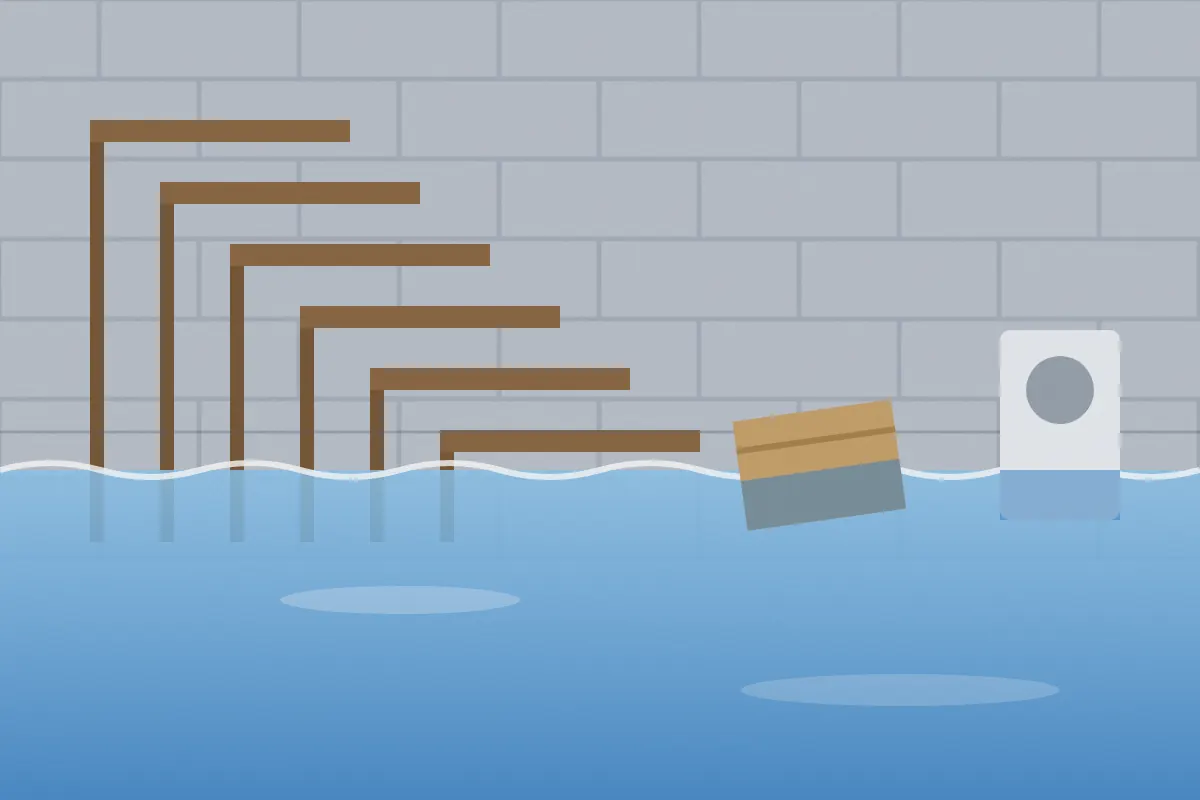
- Category 3, black water: grossly contaminated water, such as sewage, toilet overflows with feces and outside flood water from rivers or storm surge.
Treat Category 3 water as dangerous. Keep children and pets away, do not touch it without protection, and leave cleanup to professionals.
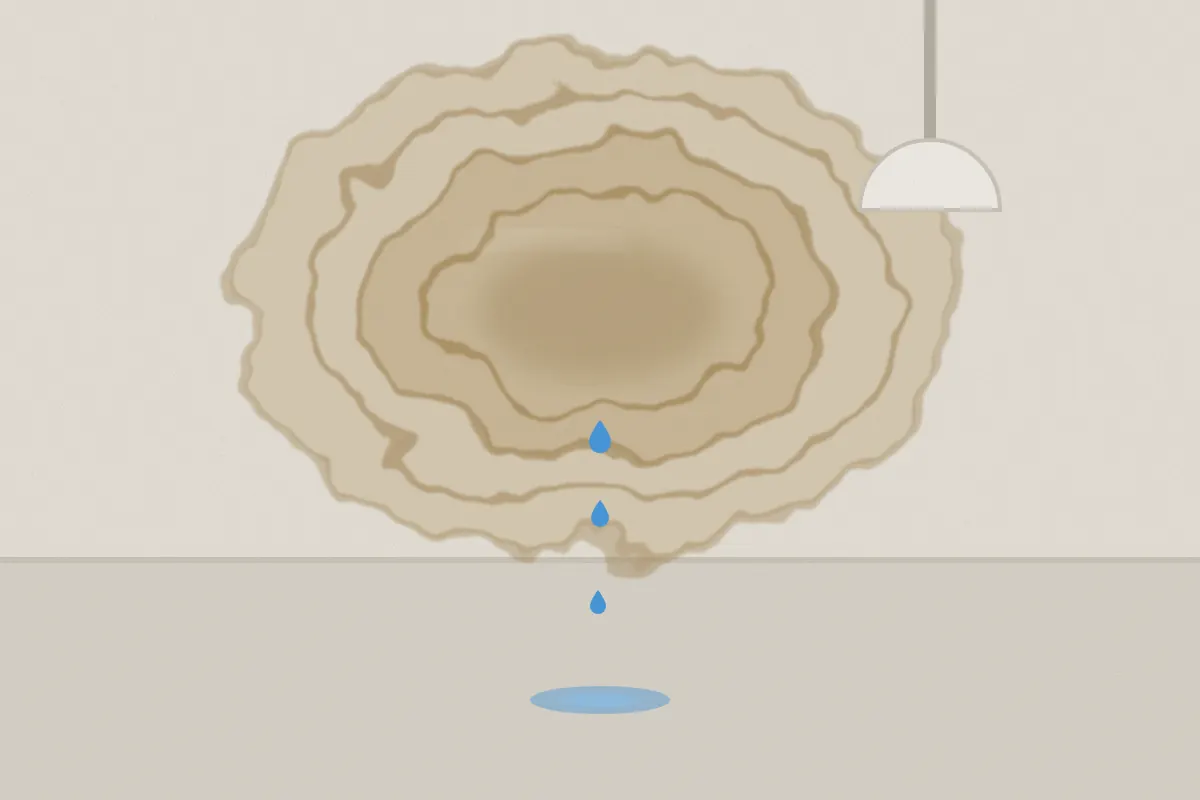
Water can change category
Clean water does not stay clean. As it sits, it picks up contaminants from the materials it soaks and bacteria begin to grow. A Category 1 leak left for a day or two can become Category 2, and Category 2 can become Category 3. This is one of the biggest reasons to start drying fast.
The four classes of water damage
The class is about how much water there is and how hard the affected materials are to dry.
- Class 1: the least water. Only part of a room is affected, with little water absorbed into low porosity materials.
- Class 2: a whole room of carpet and pad, with water wicking up the walls, usually up to about 24 inches.
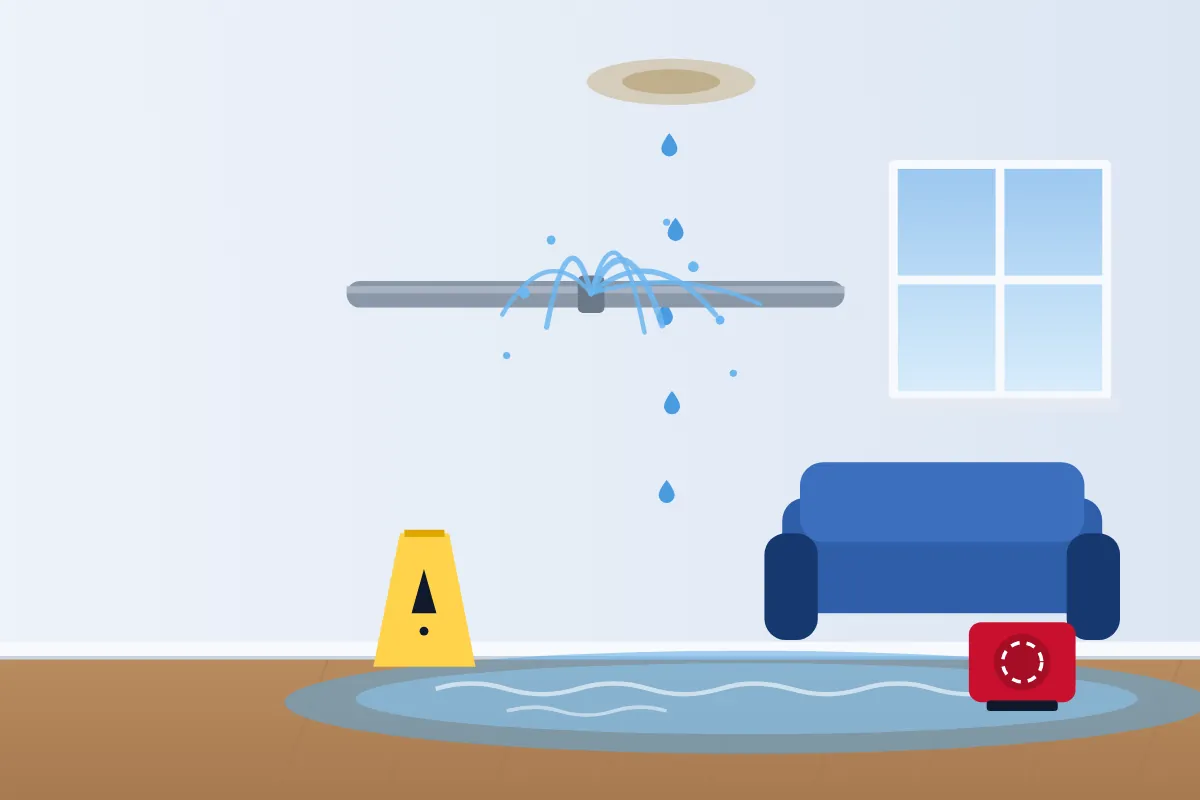
- Class 3: the most water. Ceilings, walls, insulation, carpet and subfloor may all be soaked, often from water coming from above.
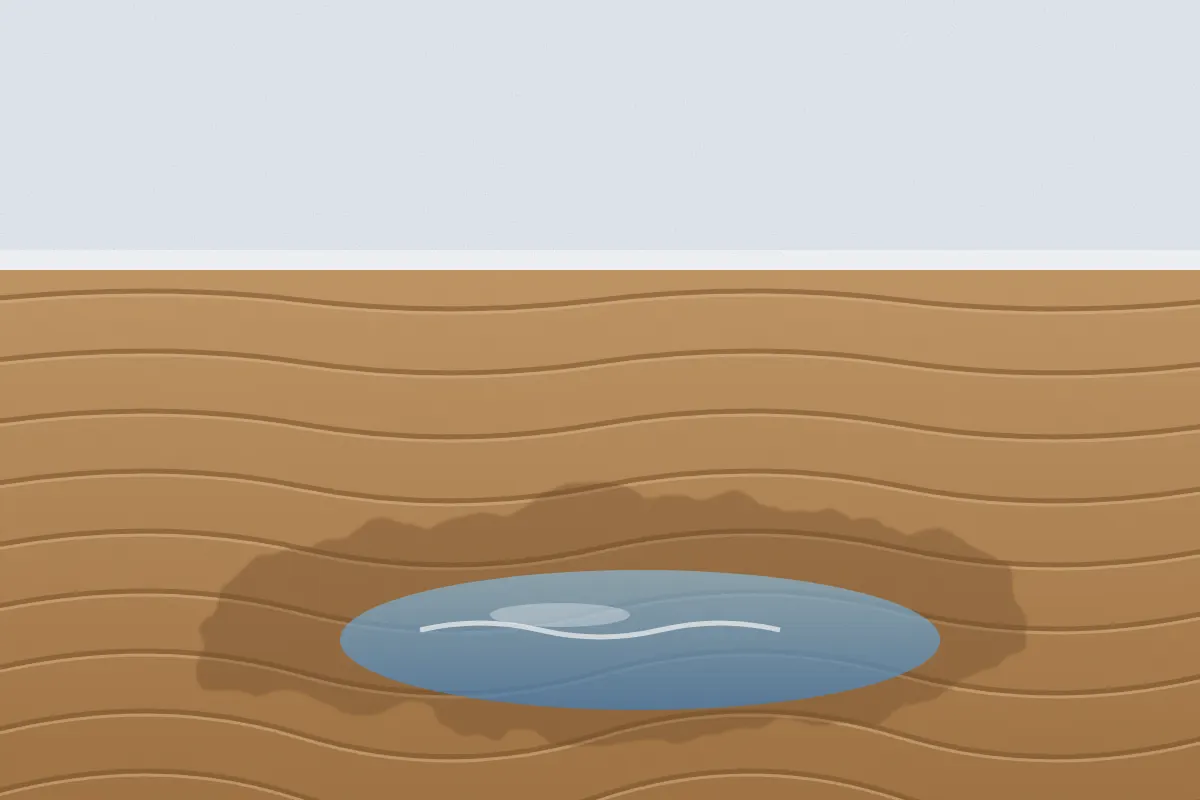
- Class 4: specialty drying. Materials such as hardwood, plaster, brick and concrete hold water deep inside and need longer drying and special equipment.
Examples you might see at home
- A burst supply pipe under the sink, found quickly: usually Category 1.
- A washing machine hose that splits during a cycle: usually Category 2.
- A toilet overflow with only urine: Category 2. With feces: Category 3.
- Sewage backing up through a floor drain: Category 3.
- River or storm surge water entering the home: Category 3.
- A slow leak left for days in a warm house: may have moved from Category 1 to Category 2 or 3.
What the category means for your home
- Category 1: many materials can be dried in place, including carpet in some cases.
- Category 2: carpet pad is usually removed, and surfaces are cleaned and treated before drying.
- Category 3: porous materials the water touched, such as carpet, pad, drywall, insulation and upholstered furniture, are usually removed. Hard surfaces are cleaned and disinfected.
What the class means for drying
The class tells the technician how many air movers and dehumidifiers to set up and how long drying may take. A Class 1 job may dry in a couple of days. Class 3 and Class 4 jobs usually take longer, with daily moisture readings to confirm progress. Good providers record these readings, which also helps with insurance claims.
Questions to ask your restoration company
- What category and class is this job, and why?
- Which materials can be dried in place, and which must be removed?
- How many days of drying do you expect?
- How will you measure and record moisture each day?
- Do you follow the IICRC S500 standard, and are your technicians trained?
Clear answers to these questions help you understand the work and make your insurance claim easier.
Why this matters for insurance
The source of the water, and therefore often its category, can affect coverage. Sudden water from inside the home, such as a burst pipe, is often covered by homeowners insurance. Sewage backup usually needs a special endorsement, and outside flood water needs flood insurance. Read about water damage insurance claims.
Quick answers: water damage categories
What are the categories of water damage?
Category 1 is clean water, Category 2 is gray water with significant contamination, and Category 3 is black water such as sewage or flood water.
What are the classes of water damage?
Classes 1 to 4 describe how much water there is and how hard materials are to dry, from small areas to specialty drying of hardwood, plaster and concrete.
Can clean water damage become contaminated?
Yes. Water left for a day or two can move from Category 1 to Category 2 or 3 as bacteria grow.
Can carpet be saved after water damage?
Sometimes after Category 1 water if drying starts quickly. Carpet soaked by Category 3 water is usually removed.
Who decides the category and class?
A trained restoration technician inspects the source and measures moisture, usually following the IICRC S500 standard.
Related
This guide covered water damage categories. For more background, see FEMA’s flood insurance pages, and if you need help, Sifixit can connect you with a local provider.
This guide is general information for homeowners, not professional, insurance or safety advice for your situation.
More helpful guides
- Water leaking from the unit above youWhat to do when water leaks into your apartment or condo from the unit above, and who usually...
- Washing machine flooded the laundry roomWhat to do when a washing machine floods the laundry room, from stopping the water to drying the...
- Water damaged hardwood floors: can they be saved?Often, yes, if the water was clean and drying starts within a day or two.
- What to do after a flood in your homeReturn only when officials say it is safe, keep the power off until an electrician checks it, and...
- Washing machine and appliance leaks: how to prevent and handle themWashing machines, water heaters, dishwashers, refrigerator ice makers and toilets cause many household water damage claims, usually from...
- Can you stay in your house during water damage restorationOften yes, if the damage is limited to a few rooms of clean water, the power is safe...